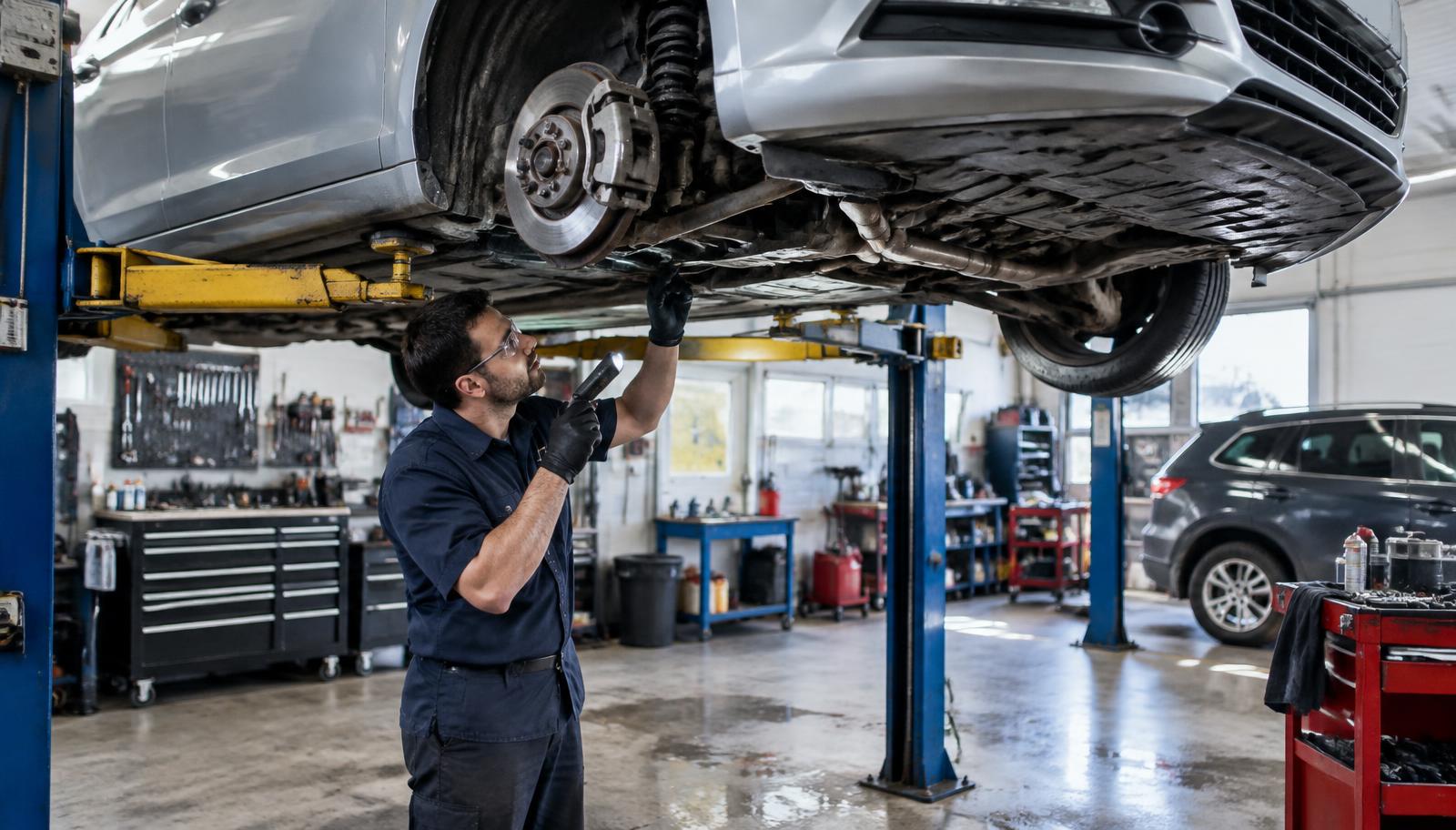
Quick answer: A vehicle safety inspection commonly reviews safety-related systems such as tires, brakes, steering, suspension, lights, wipers, fluid leaks, and other condition concerns relevant to the vehicle. The exact scope depends on the inspection requested, so ask the shop what will be checked and whether a written findings summary is included.
A safety inspection is useful when you are planning a long drive, handing a car to a new driver, getting an older vehicle ready for regular commuting, or simply trying to understand its current condition. It is different from assuming a car is safe because it started this morning and has no warning lights.
For drivers in Fort Collins, a practical inspection can identify problems that may affect braking, control, visibility, or reliability. It also gives you a chance to ask what needs attention now versus what can be monitored over time.
What is the purpose of a vehicle safety inspection?
A safety-focused inspection is a condition review, not a promise that a vehicle can never break down. Some problems are visible or measurable while others appear only under particular driving conditions. The value is in identifying issues that can be found during the inspection and explaining their significance.
At 1UP Complete Auto Care, vehicle safety checks for families and commuters are listed under the shop's custom consults and inspections service. When booking, tell the shop whether your main concern is a road trip, a teenager's car, an aging commuter, or a specific symptom so the requested scope is clear.
Tires: tread, pressure, and visible damage
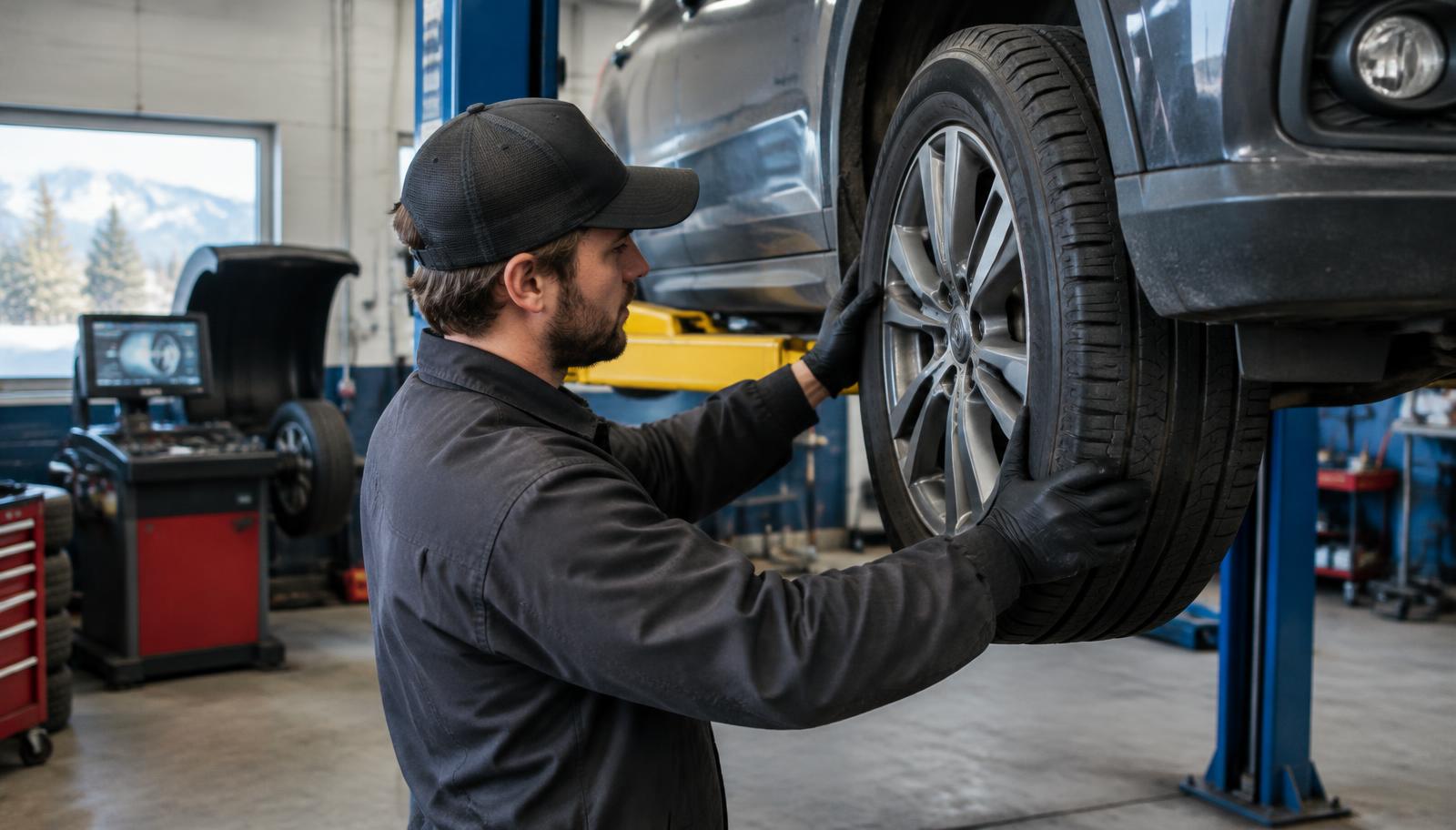
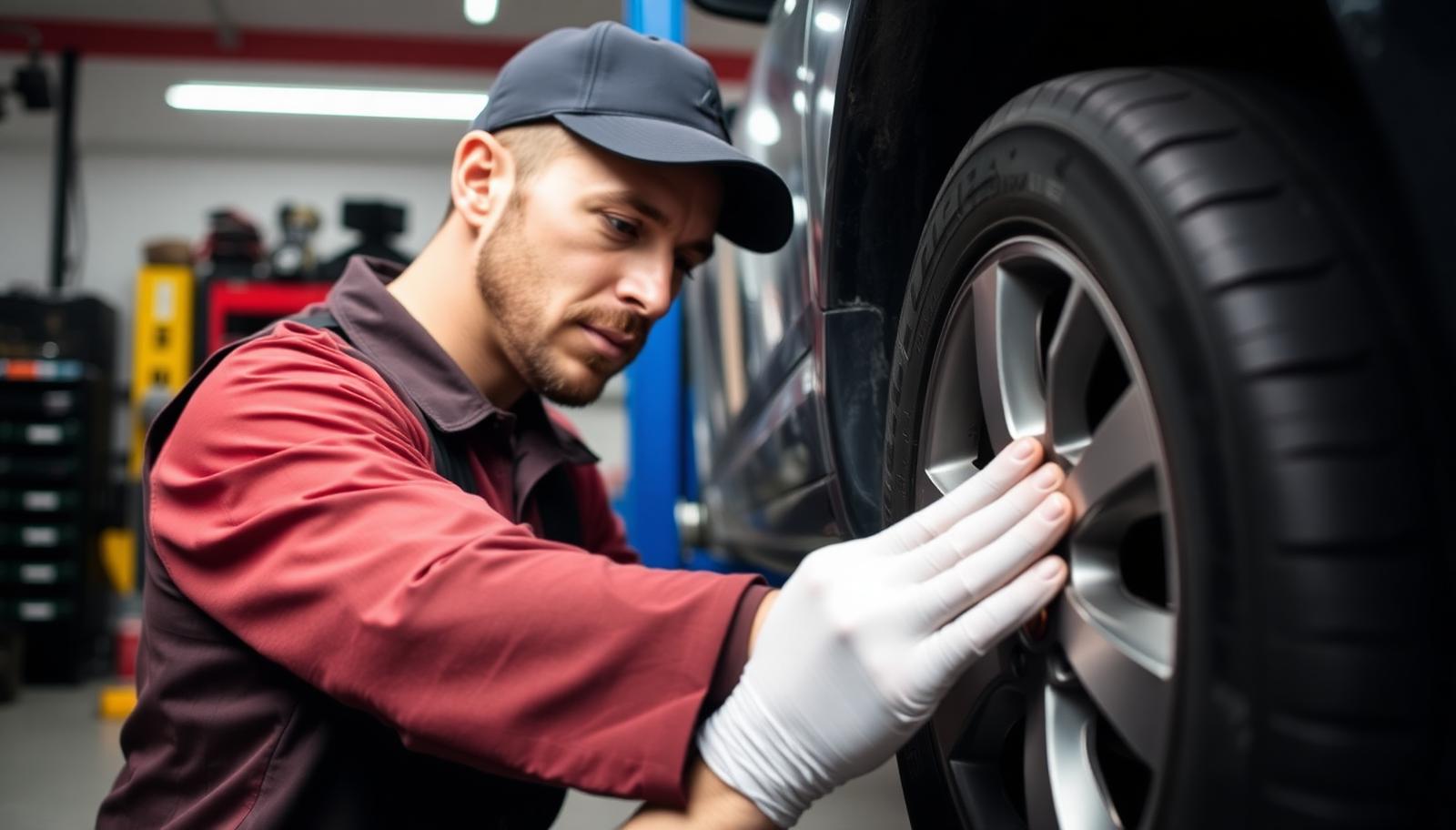
Tires are the vehicle's direct connection to the road. A technician may check tread condition, tire pressure, sidewall damage, irregular wear, and obvious punctures or leaks. If there is uneven wear, the inspection may reveal the need for additional diagnosis of alignment-related or suspension-related issues.
Tire condition is especially relevant before a drive through changing Northern Colorado weather. For normal inflation, use the pressure specified on the vehicle door label or in the owner's manual. That value is more appropriate than the maximum number shown on the tire sidewall.
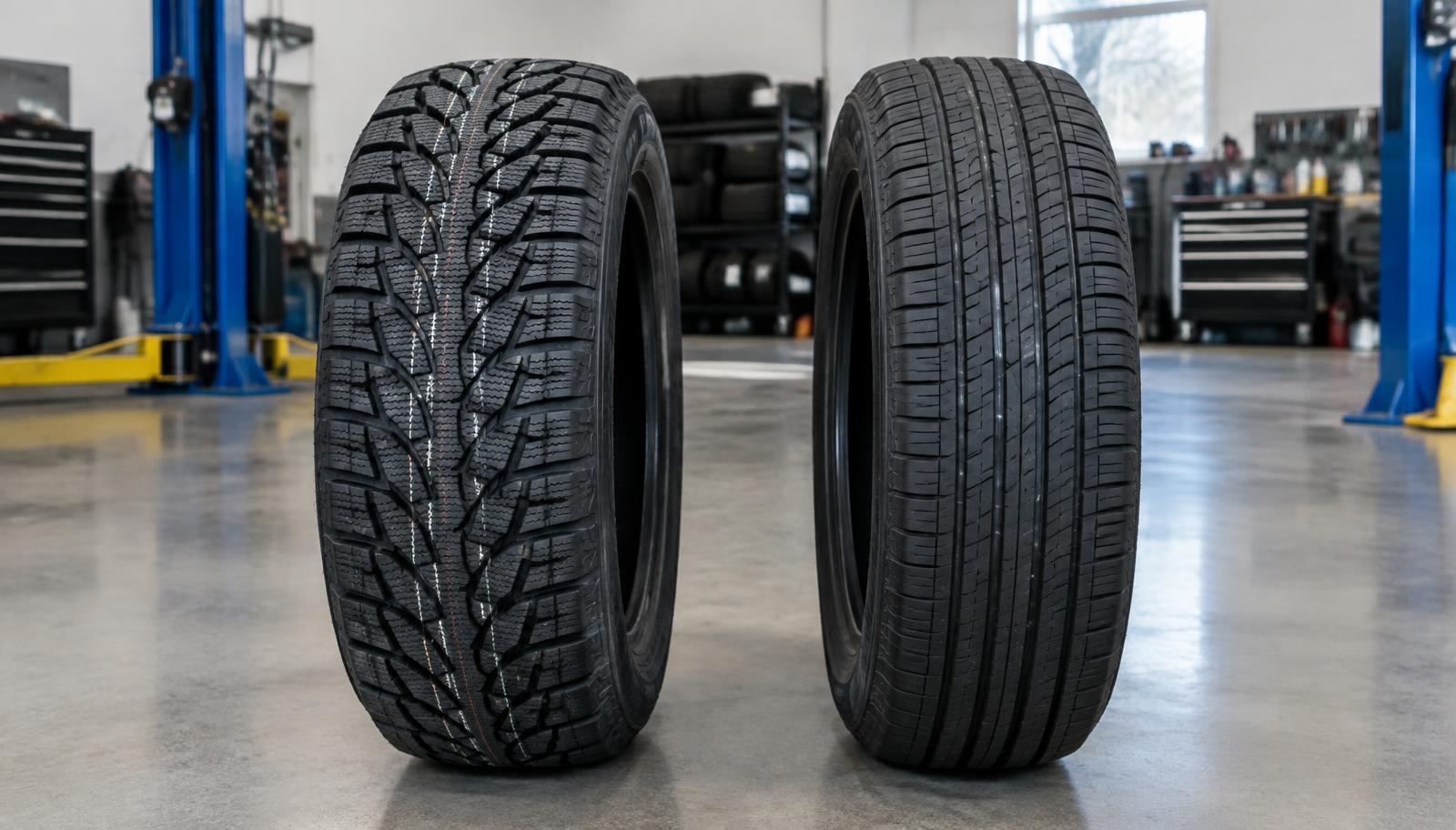
An inspection can also determine whether your current tires are suitable for expected conditions. Tread depth alone does not describe how a particular tire will perform on snow or ice.
Brakes: condition and response
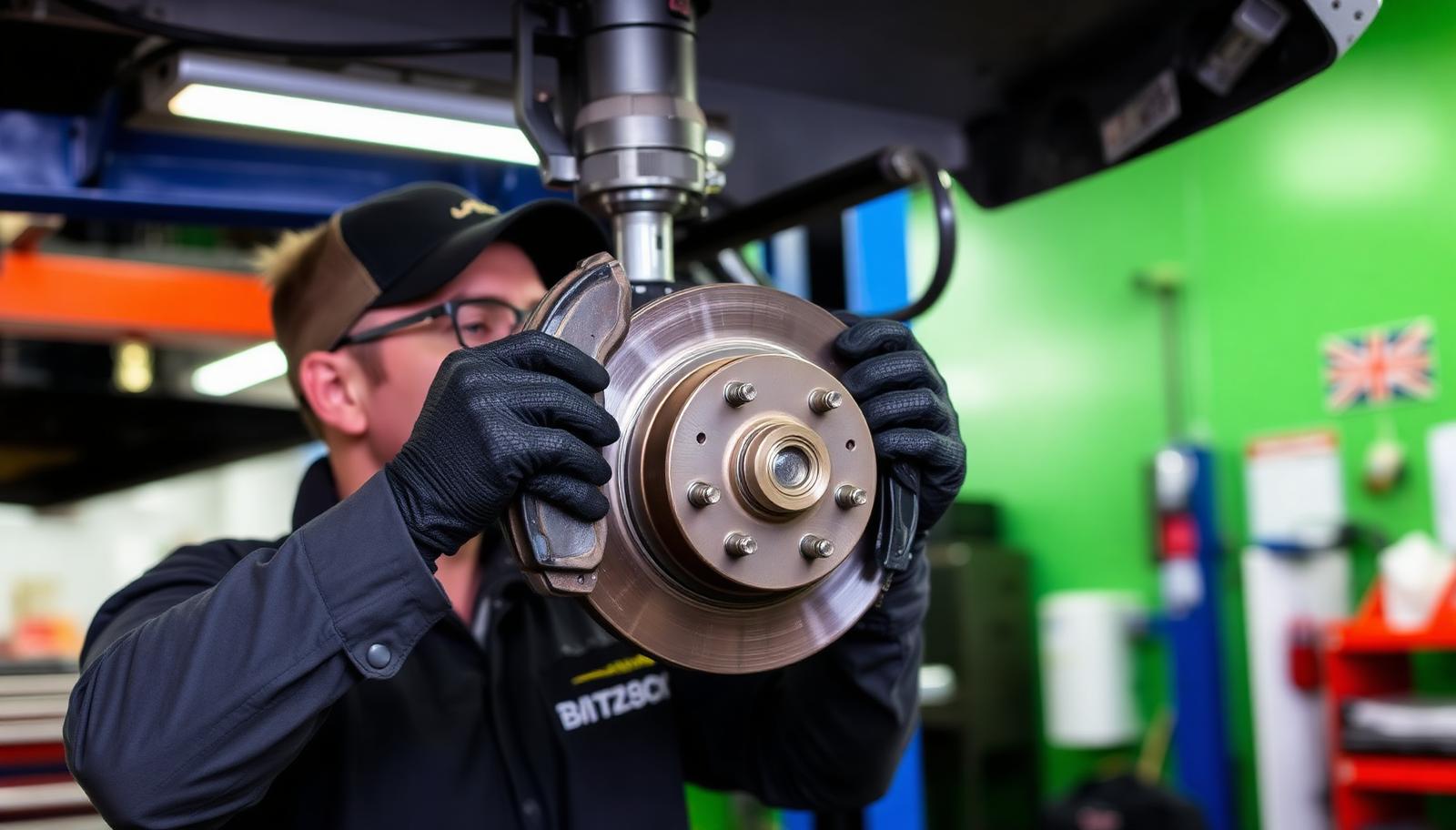
Brakes should be evaluated when you notice grinding, squealing that persists, pulling, vibration during braking, a soft pedal, or reduced stopping performance. A safety check may include looking at visible components, fluid condition or leaks, and the condition of pads and rotors where accessible. The scope can vary depending on whether wheel removal or more detailed testing is included.
If the vehicle cannot brake normally, do not wait for a routine appointment or continue driving. Arrange safe assistance. A safety inspection is most useful when combined with prompt action on serious warning signs.
Steering and suspension: control matters
Steering and suspension parts help the car track predictably and maintain contact with the road. Depending on the inspection, a technician may check for obvious looseness, wear, leaks, damage, or movement that warrants a closer look. A pulling sensation, unusual wandering, or a recent pothole impact is worth mentioning.
These problems do not always produce a dashboard warning. Share what you feel through the steering wheel or seat, even if the symptom is hard to explain. Details about when it happens are valuable diagnostic clues.
Lights, wipers, windows, and visibility
A basic check may include exterior lights, turn signals, brake lights, hazard lights, windshield wipers, and washer operation. Make sure headlights are clean and clear, and address worn wiper blades before poor weather arrives. A working defroster is also important in cold weather.
Visibility is easy to overlook until a nighttime drive or a snowy morning makes a small issue obvious. For families and commuters, these checks can make everyday driving less stressful.
Fluids, leaks, battery, and engine condition
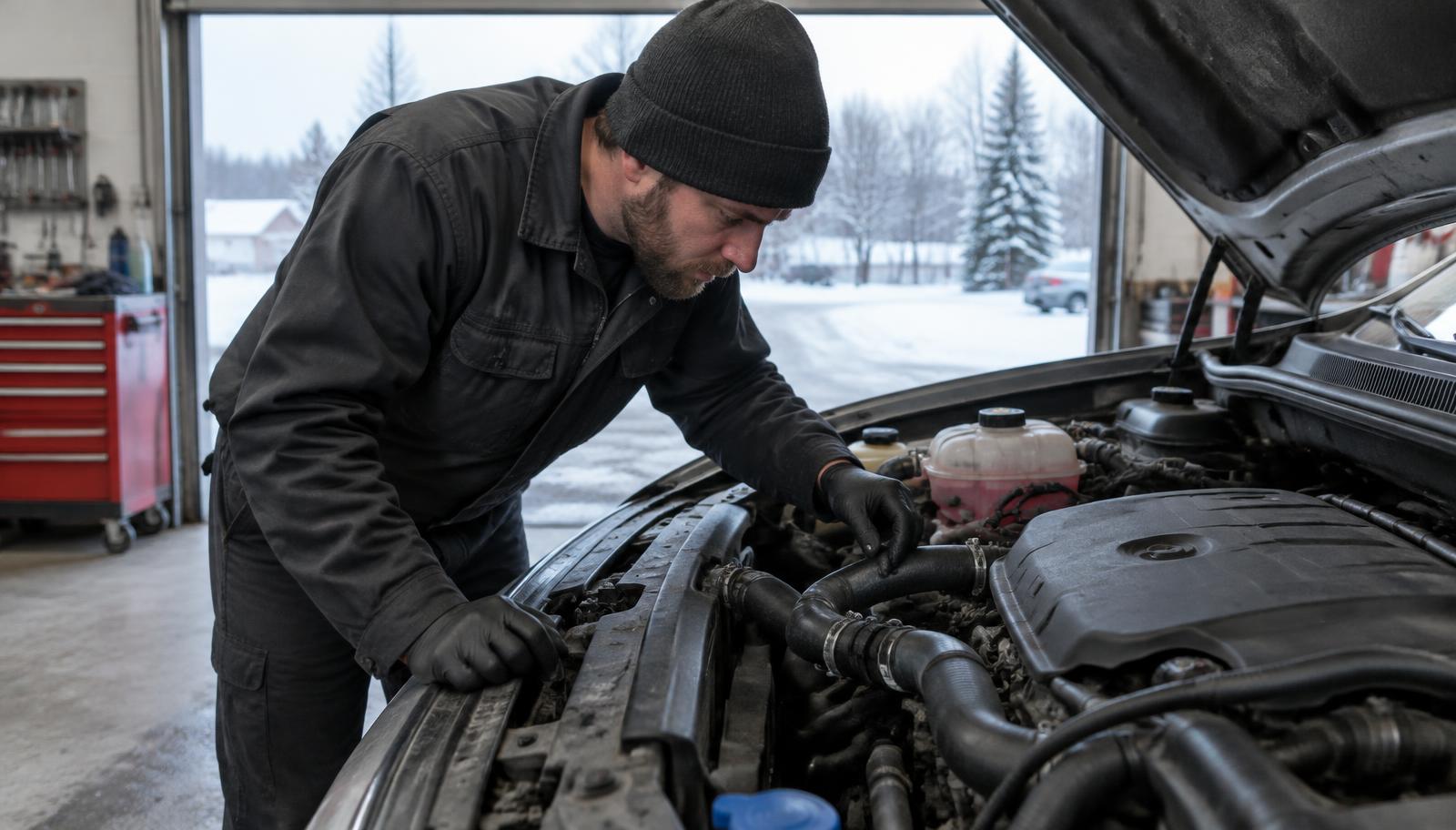
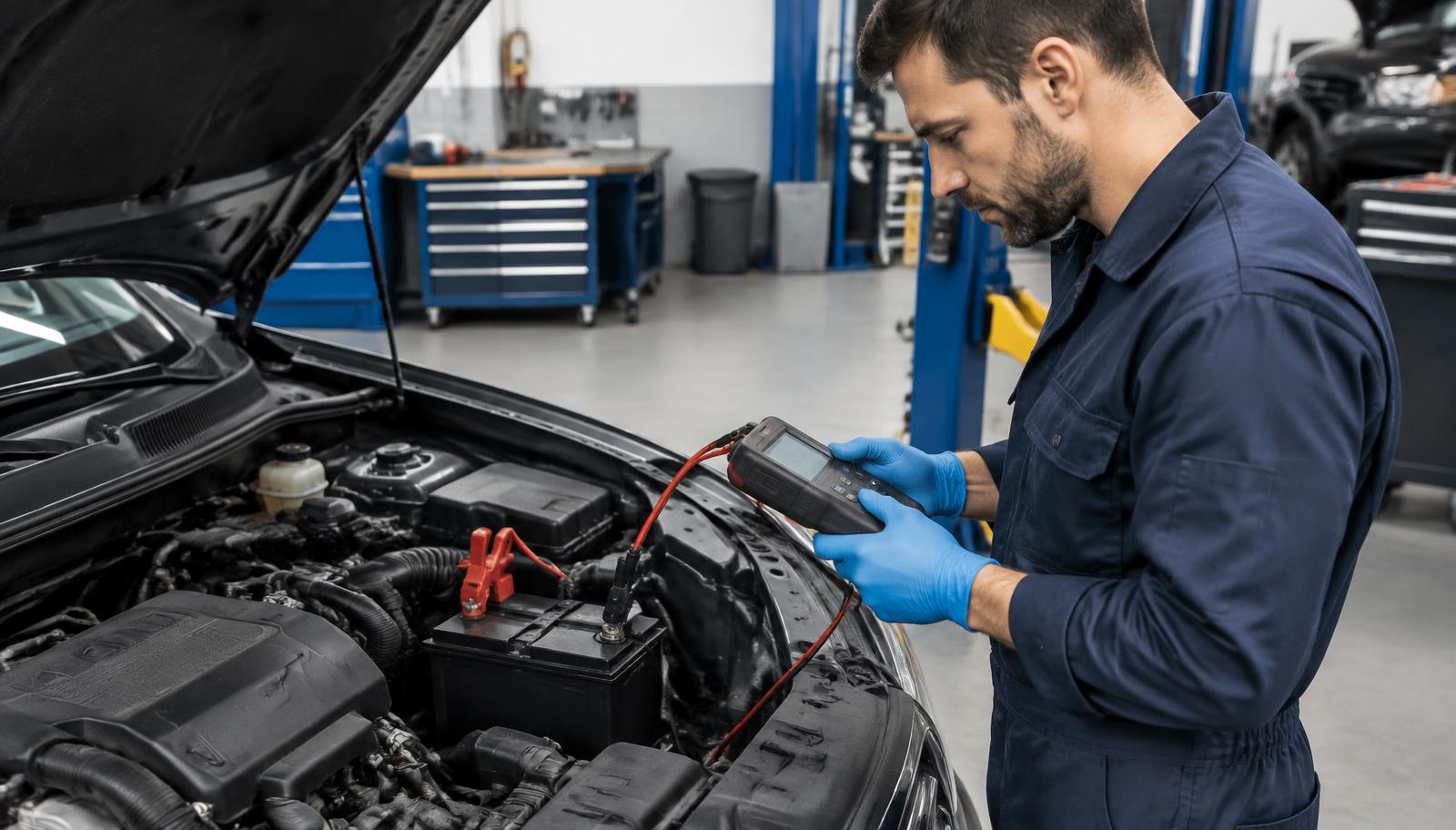
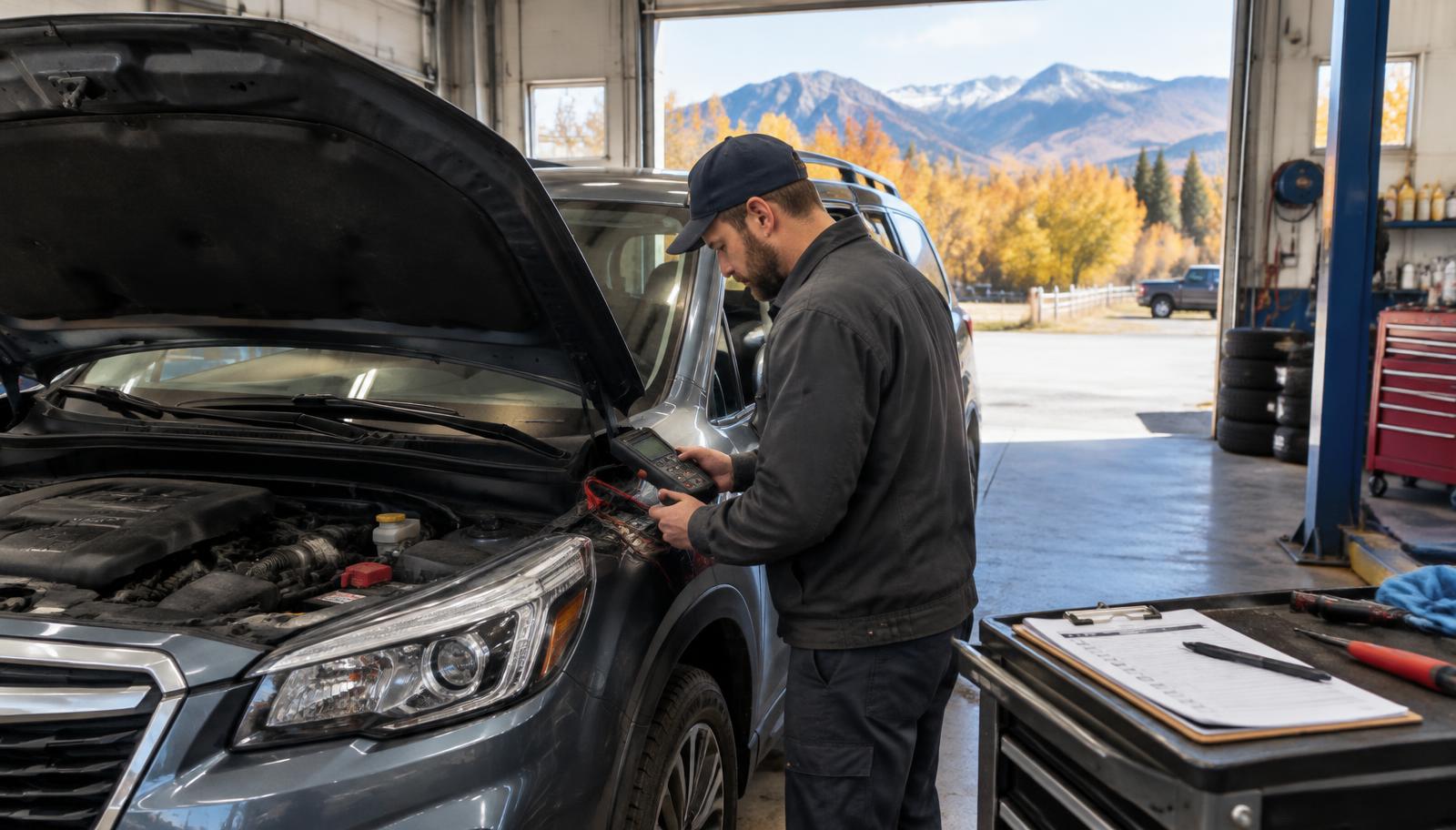
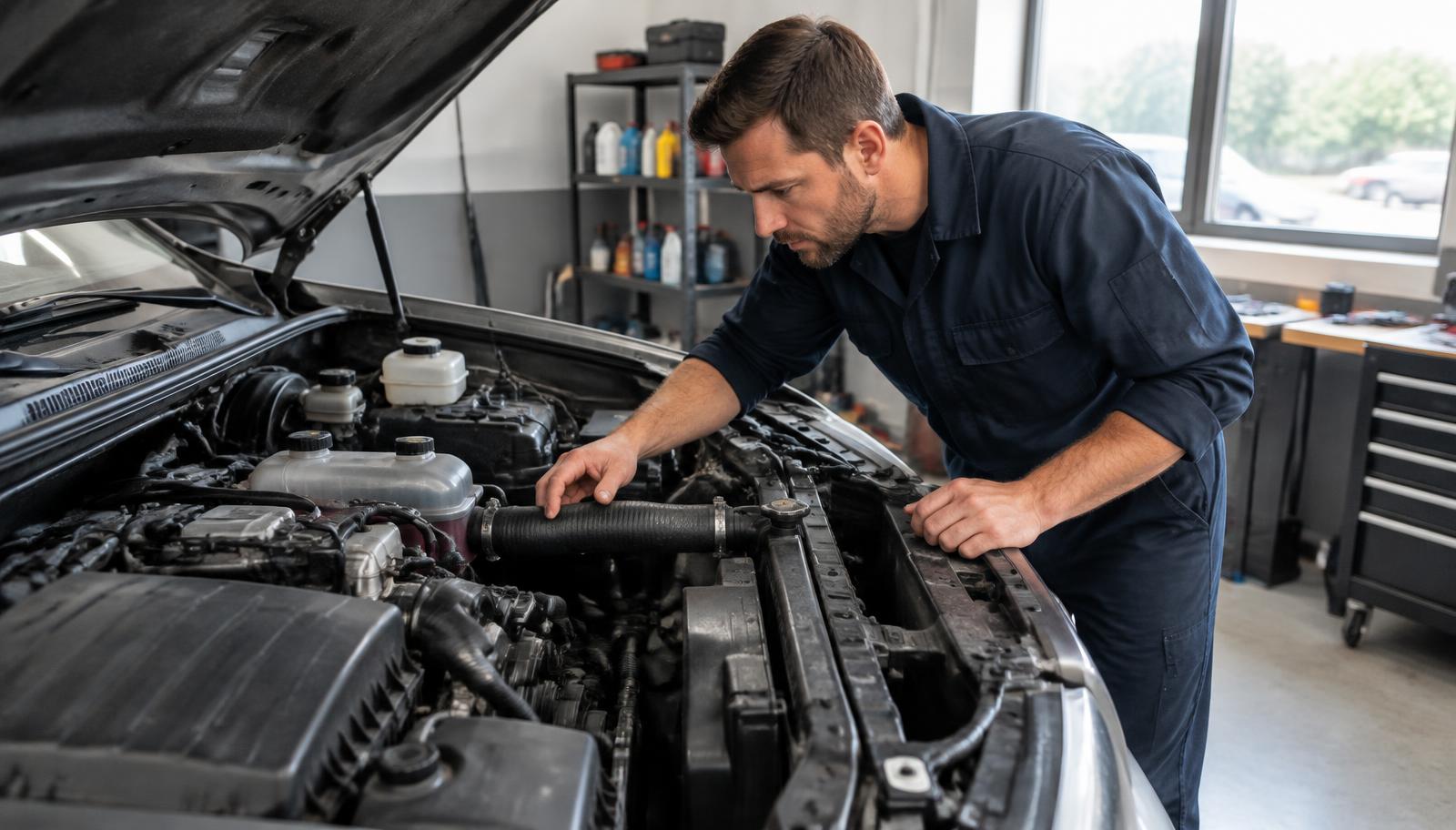
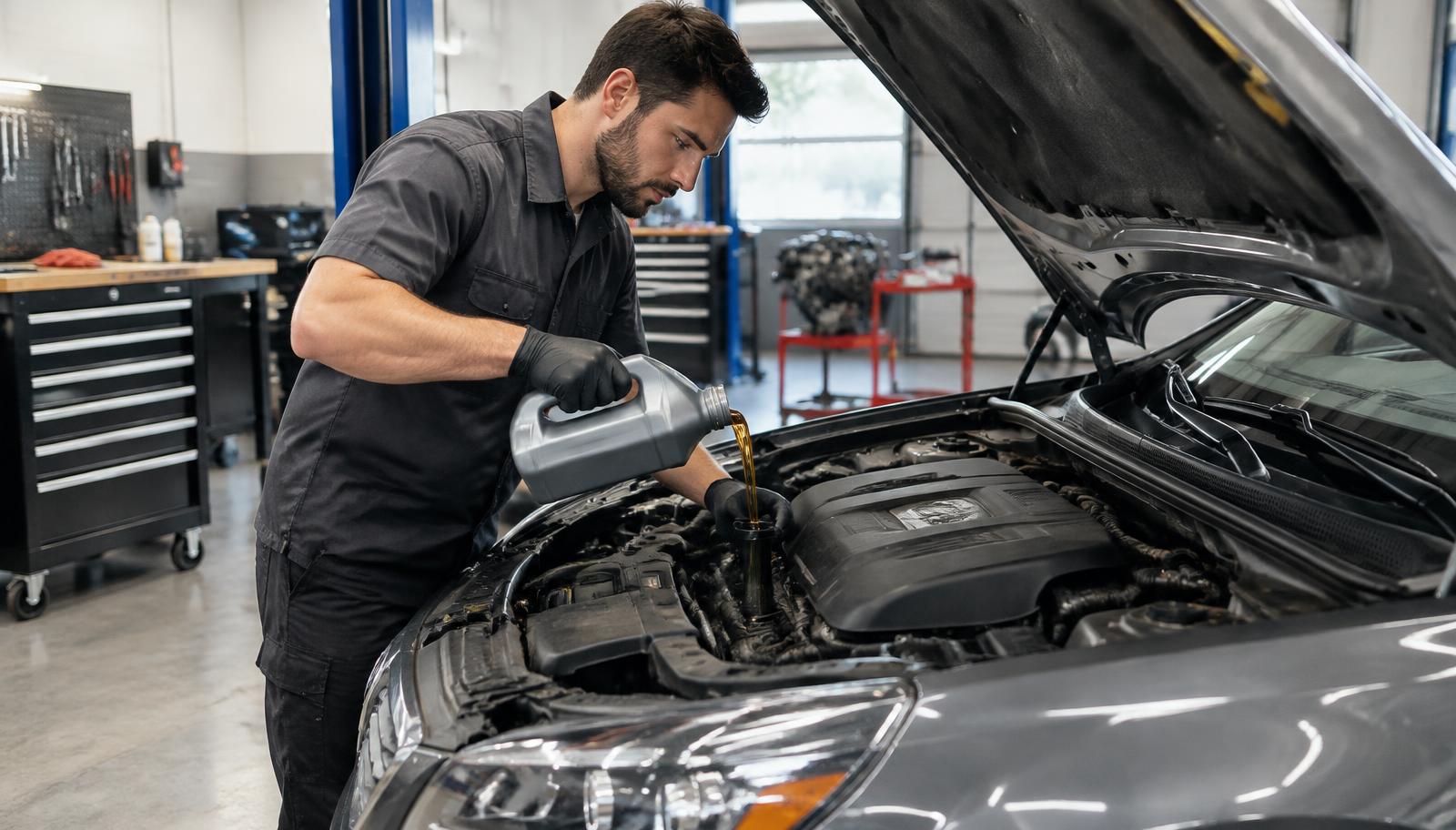
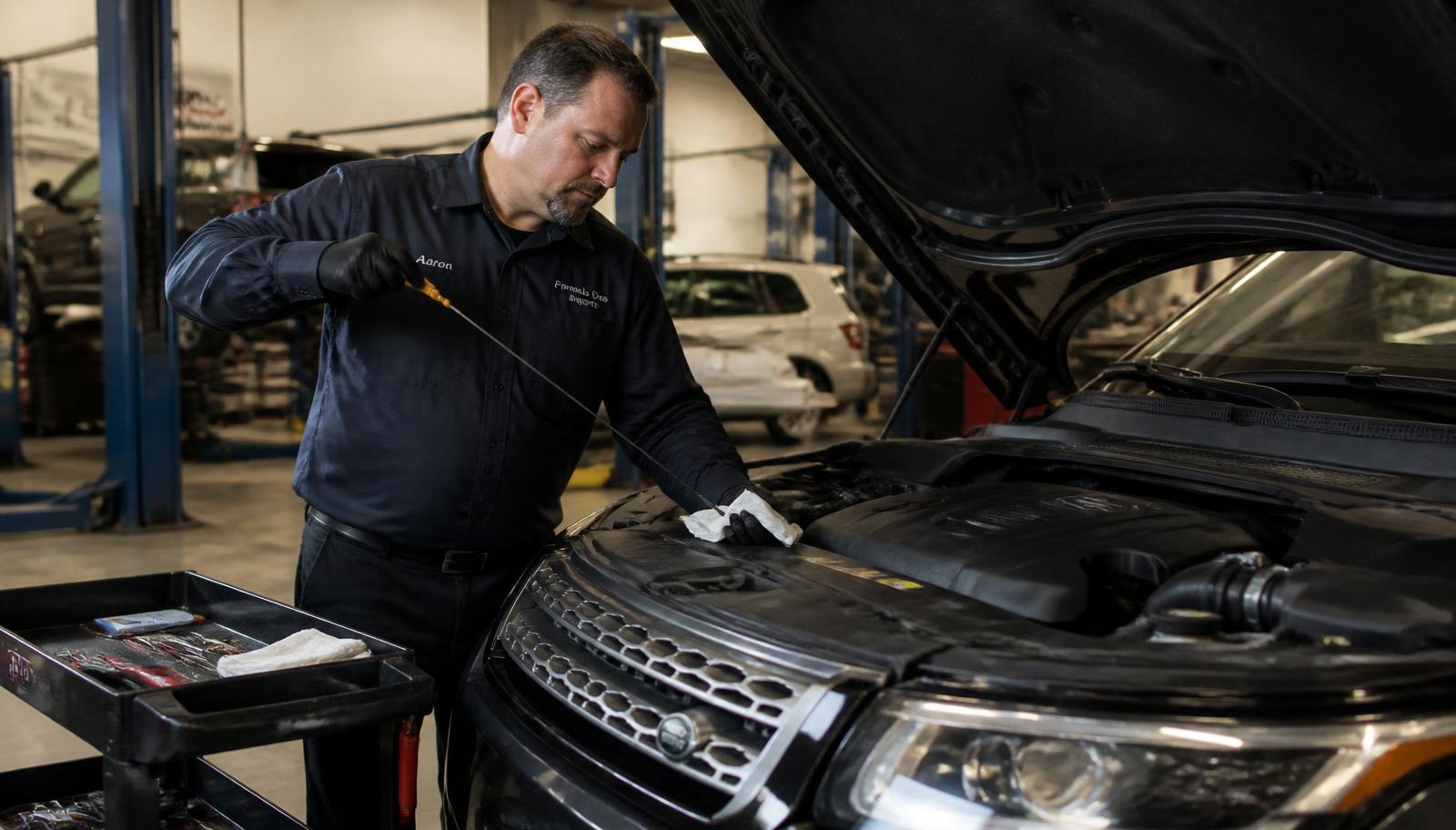
Fluid level and leak checks can flag concerns with engine oil, coolant, brake fluid, and other systems as appropriate. Battery condition, visible belts and hoses, and charging-system concerns may also be worth reviewing. Not every inspection includes every test, so ask what is included instead of assuming.
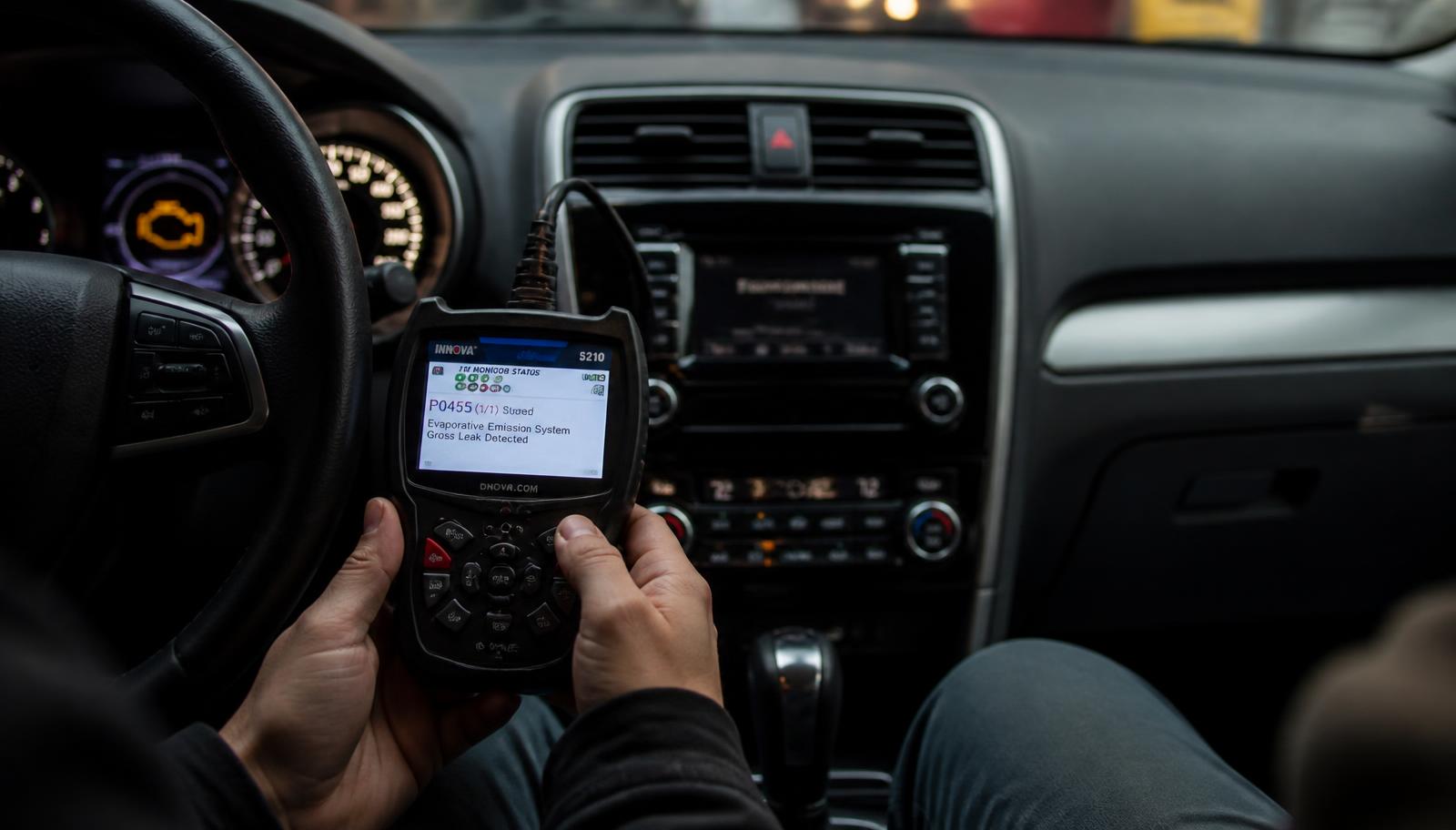
If a warning light is present or the vehicle is running poorly, a separate automotive diagnostic appointment may be needed. A general inspection and a fault-specific diagnosis serve different purposes.
Does a safety inspection replace a pre-purchase inspection?
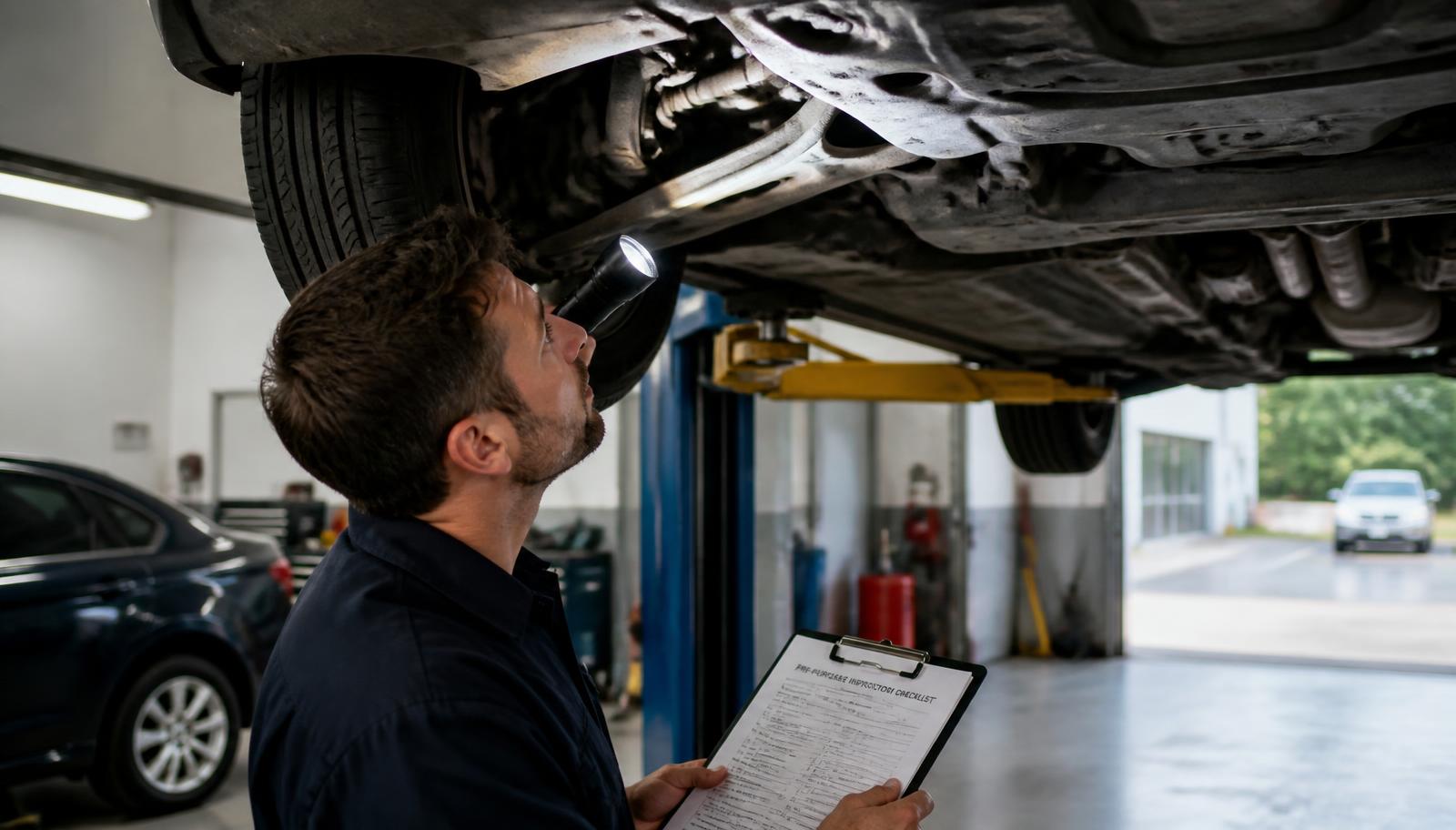
No. They may overlap, but they answer different questions. A safety inspection focuses on the vehicle's current condition and safety-related concerns. A pre-purchase inspection is intended to help a prospective buyer understand broader mechanical condition and potential ownership costs before making a purchase.
If you are considering a used vehicle, tell the shop that it is a pre-purchase inspection rather than asking for a general safety check. If you already own the car and want confidence before a long trip, explain your destination and concerns so the inspection can be discussed appropriately.
What should you do with the inspection results?
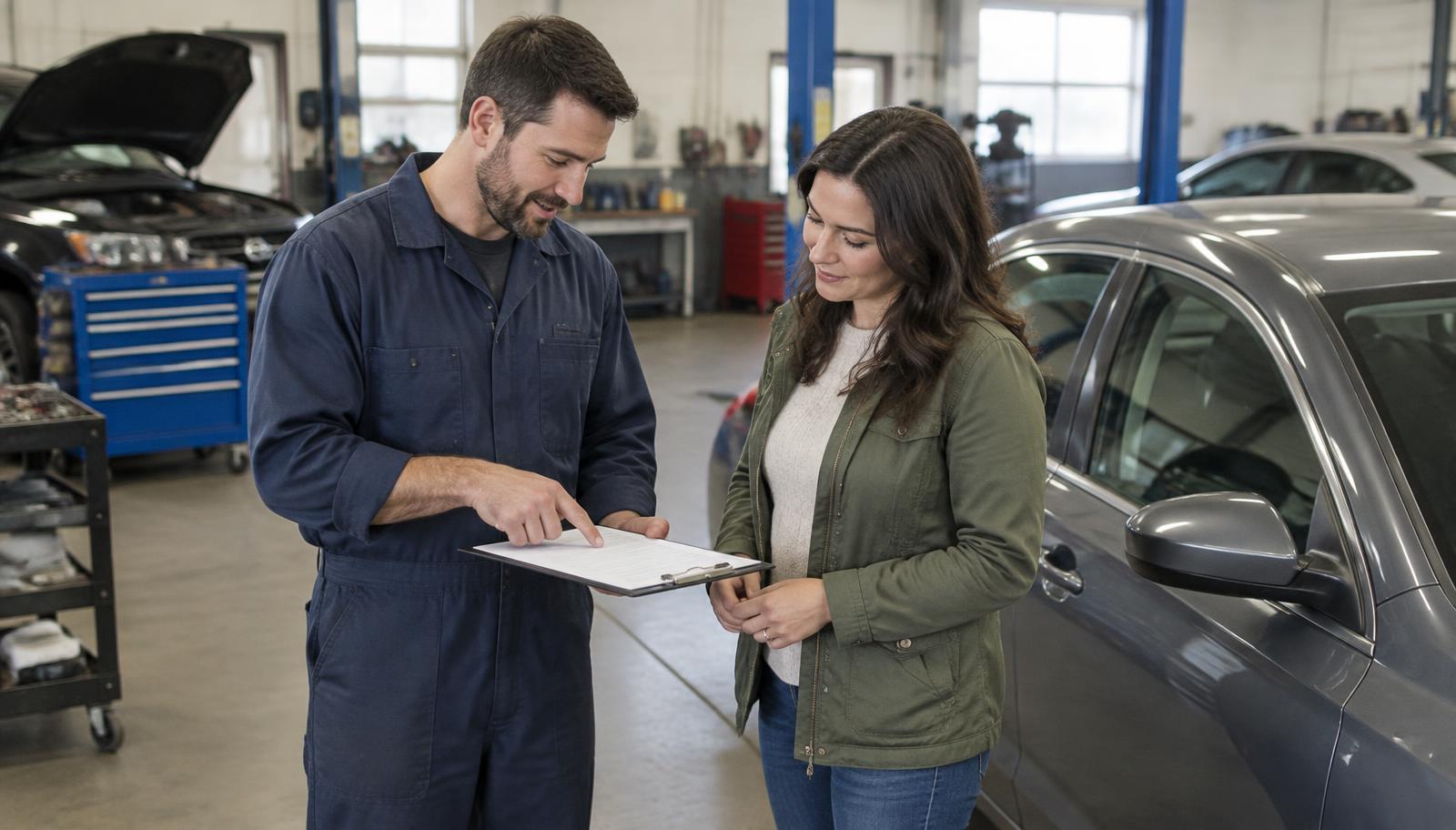
Ask for findings in plain language. Which concerns are immediate safety issues? Which items could affect reliability? Which are routine maintenance? What additional tests, if any, are needed before committing to repair? A useful inspection should help you make decisions rather than leave you with a confusing list of parts.
Keep a copy of the findings with service records. If work is not urgent, you can plan around future mileage, seasonal travel, and your budget. If an issue affects braking, steering, tires, or other critical systems, treat the urgency seriously and avoid unsafe driving.
Frequently asked questions about vehicle safety checks
### Do all vehicle safety inspections cover the same things?
No. A shop's checklist can vary by vehicle and reason for the inspection. Confirm which systems are included and whether additional diagnostics or disassembly would be a separate service.
Should I schedule an inspection before a family road trip?
An inspection can be useful, especially if maintenance is overdue or the vehicle has developed symptoms. Book with enough time to address any important findings before leaving.
Can an inspection tell me if my car will never break down?
No inspection can guarantee future performance. It can identify certain current problems and help you make more informed maintenance decisions.
Is an inspection worth it for a car with no warning lights?
It can be. Worn tires, degraded wiper blades, some brake concerns, and certain leaks may develop without illuminating a dashboard warning.
Book a safety inspection in Fort Collins
If you want a clearer picture of your vehicle's condition, 1UP Complete Auto Care offers safety checks, custom consults, and maintenance for Fort Collins drivers and nearby communities such as Timnath, Windsor, Laporte, Wellington, and Masonville. Contact the shop or call (970) 825-5140 to discuss the inspection you need.
Talk to 1UP Complete Auto Care in Fort Collins
Visit our shop at 1305 Duff Dr Unit 4 in Fort Collins or call (970) 825-5140 to schedule service.
Get a Free Quote