
Quick answer: A useful auto repair estimate should explain the problem being addressed, the proposed work, expected parts and labor charges, any diagnostic fees, and what could change if further issues are discovered. Before approving a repair, ask what testing supports the recommendation, how urgent the work is, and what options are available for your vehicle.
Car repairs can be stressful, especially when a vehicle has suddenly stopped working or a warning light appears before a busy week. You may hear unfamiliar part names, receive several recommendations, and wonder which expenses are necessary. A clear estimate should help you understand the decision, not make you feel rushed.
At 1UP Complete Auto Care, the published approach emphasizes honest recommendations, transparent pricing, and direct communication with technicians. Those are useful expectations to bring to any auto repair appointment in Fort Collins: understand the concern, understand the proposed fix, and know what you are authorizing.
What should an auto repair estimate explain?
An estimate may vary by job and shop, but it should clearly identify the vehicle, the work being proposed, and the expected charges or pricing basis. Look for a description of parts, labor, taxes or shop charges when applicable, and any diagnostic time. Ask whether the estimate is for a confirmed repair or an initial step in further troubleshooting.
For example, a vehicle with a rough idle might require diagnostic testing before anyone can responsibly quote the final repair. In that case, a diagnostic authorization is different from approval to replace a part. The distinction protects you from assuming the first quoted amount covers everything.
If the recommendation includes more than one repair, ask for the items to be explained separately. That makes it easier to compare immediate safety needs, necessary mechanical repairs, and optional or future maintenance.
Why does diagnosis sometimes have its own fee?
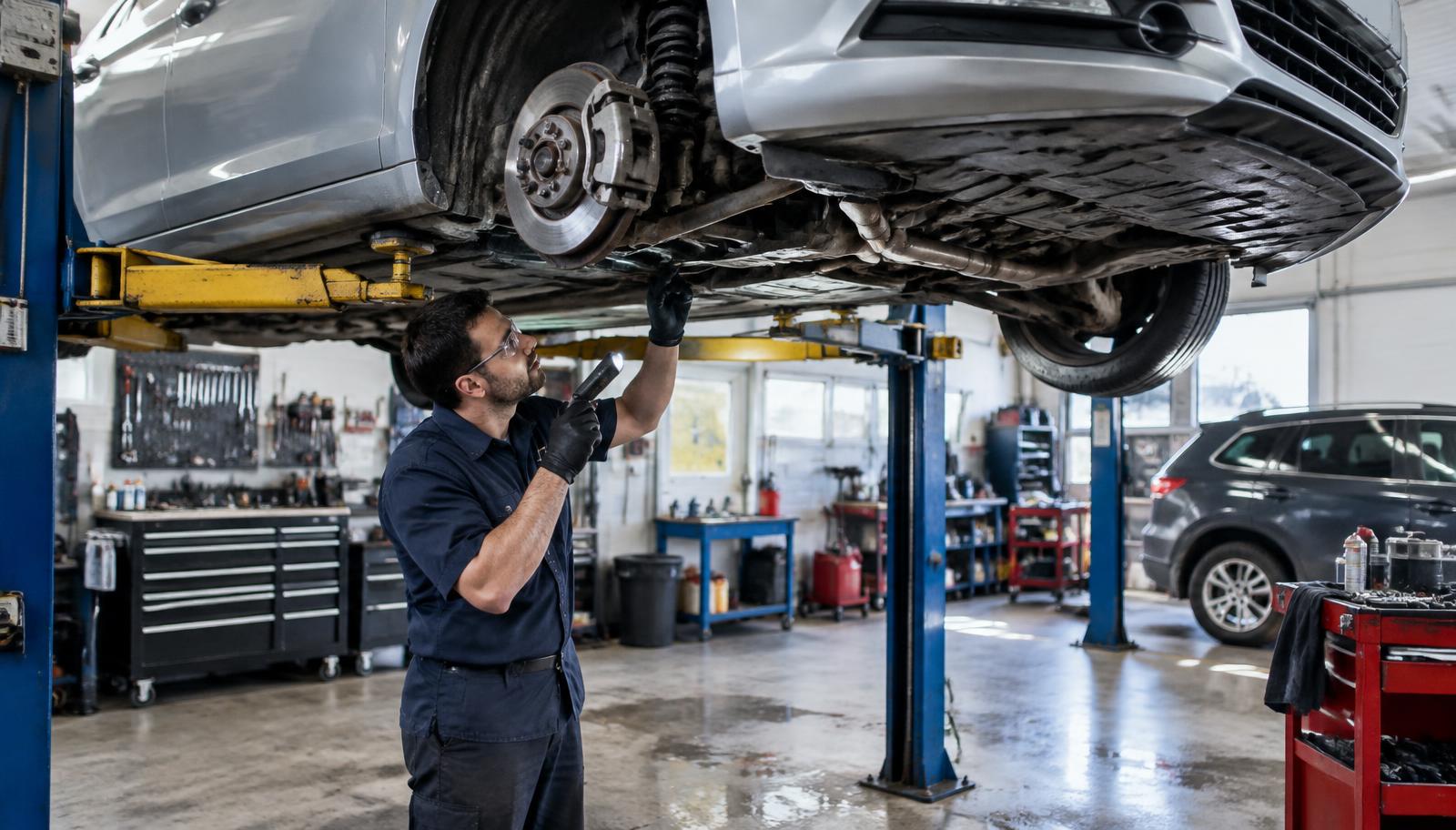
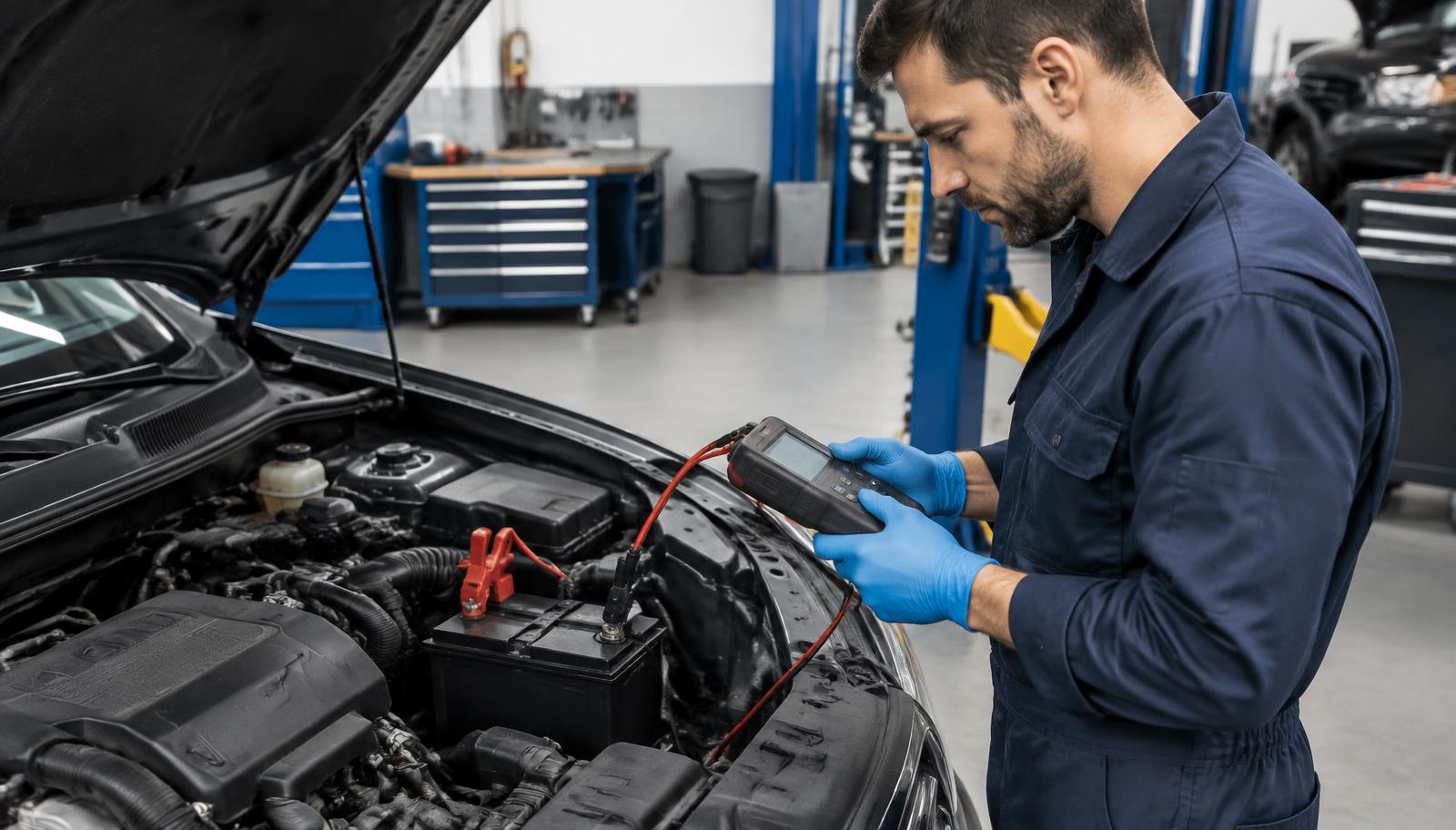
A diagnostic appointment involves more than plugging in a scanner. A fault code can point toward a system or condition, but it does not always identify the exact failed component. A technician may need to reproduce the symptom, inspect relevant parts, measure electrical or mechanical performance, or run further tests.
That time and expertise are part of the service. When booking, ask whether there is a separate diagnostic charge, what the initial evaluation covers, and whether additional testing requires further authorization. Clear expectations help prevent confusion when the final repair estimate is prepared.
If a shop recommends an expensive repair based only on a generic code description without an explanation of supporting tests, it is reasonable to ask how the diagnosis was confirmed.
What is the difference between urgent and recommended repairs?
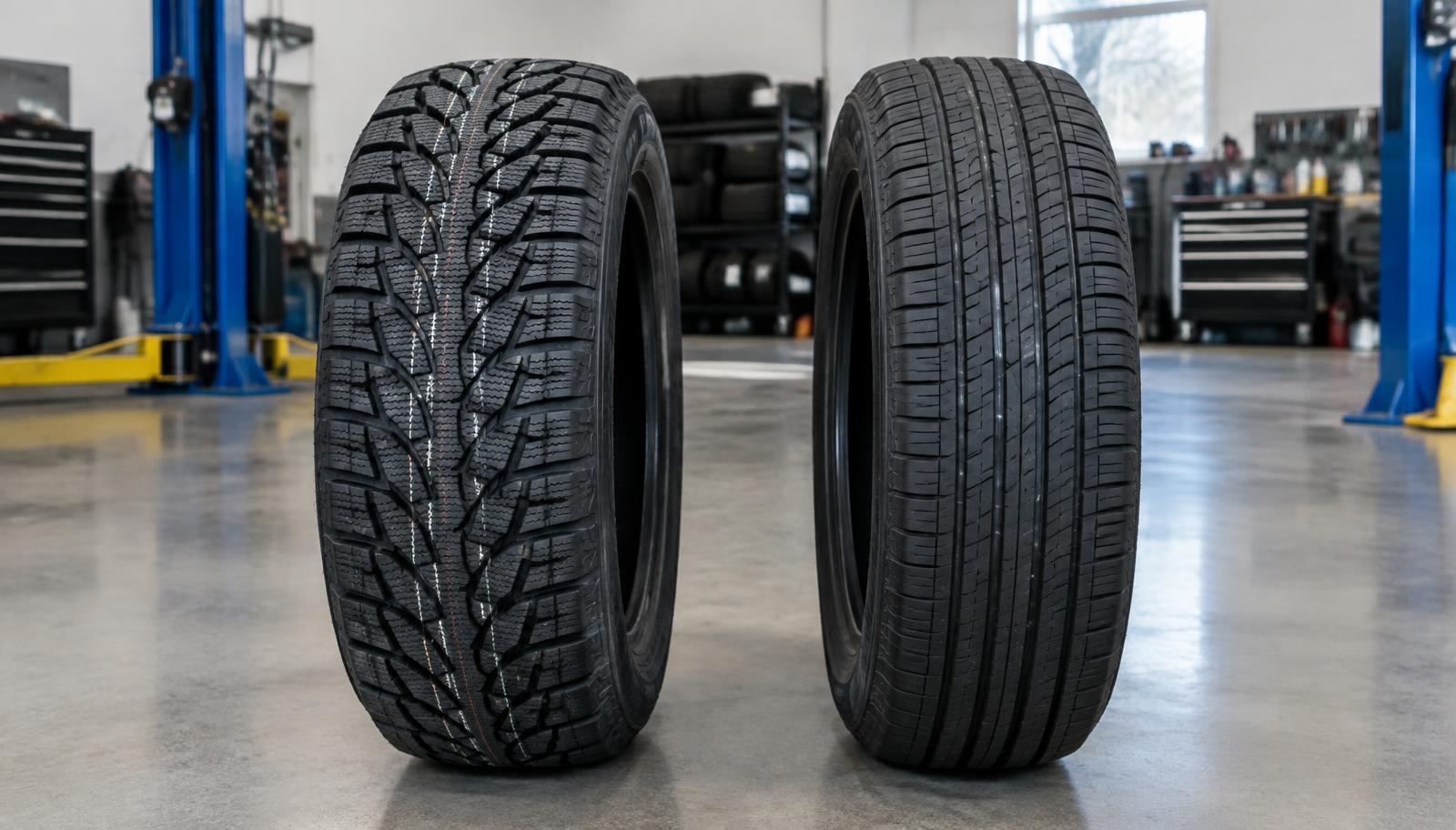
Not every finding has the same priority. Safety-related concerns, such as a severely damaged tire, compromised braking, or a steering component that affects control, deserve immediate attention. An active overheating condition is also urgent because continued operation may damage the engine.
Other items may be related to reliability or the manufacturer's maintenance schedule. Some can be planned for a later appointment when it is safe to do so. Ask your technician to explain the consequences of delaying each item and whether the vehicle is safe to drive in the meantime.
You can use three simple categories when reviewing a multi-item estimate:
- Address now: A confirmed problem that affects safe operation or risks substantial damage if driving continues.
- Plan soon: A repair or maintenance item that needs attention but may allow reasonable scheduling if the vehicle is safe.
- Monitor or revisit: A condition that has not yet met a replacement threshold or needs additional observation, based on professional advice.
These are planning categories, not a substitute for a technician's judgment. An item that seems minor on paper can be urgent in a particular vehicle.
Questions worth asking before you approve a repair
You do not need to be a mechanic to have a useful conversation. Try these questions:
- 1. What symptom or test result led to this recommendation? A good explanation connects the repair to the concern.
- 2. Is the problem confirmed, or does it need more diagnosis? This clarifies what is known and what is still uncertain.
- 3. Which repairs are safety-critical? Ask whether you should avoid driving until a particular issue is addressed.
- 4. What parts are being used? Ask about manufacturer, aftermarket, or other appropriate options when available.
- 5. What could change the total? Some problems reveal additional damage only after disassembly.
- 6. What is the warranty on the work? Confirm the actual terms for parts and labor with the shop.
- 7. Can you explain the recommended maintenance interval? Check whether it is based on the vehicle maker's schedule, a measurement, or a current condition.
You should feel comfortable asking for plain-language explanations. Clear communication makes it easier to choose a repair based on evidence rather than pressure.
Why the cheapest estimate is not always the best comparison
Two estimates may describe different work. One might include diagnosis, a related component, or a particular type of part while another covers only a basic replacement. Before comparing totals, verify that the shops are quoting the same scope and assumptions.
Ask about the work being performed, the part specifications, the expected timeframe, and the warranty terms. A lower number is not necessarily a better value if it does not address the actual cause. Likewise, a higher estimate should be explained rather than accepted without questions.
It is also helpful to ask whether maintenance or a separate concern has been bundled into the recommended repair. Separating those items gives you a clearer picture of your options.
What if the shop finds more damage after work begins?
Some issues are hidden until components are removed or tested further. Before authorizing work, ask how the shop handles changes to the estimate and at what point it will contact you for approval. Provide a phone number where you can be reached and ask for written clarification when the scope changes.
Keep the estimate and final invoice together. This helps you track which services were performed, what parts were installed, and what follow-up may be needed. The records are also useful for future maintenance planning or vehicle resale.
Frequently asked questions about auto repair estimates
Can a shop quote my repair without seeing the car?
Some routine services can be estimated from the vehicle details, but many mechanical concerns require inspection and testing. The same symptom can have multiple causes, so a precise repair quote may not be possible before diagnosis.
Should I ask for a written estimate?
Yes, a clear written estimate or documented authorization is useful for confirming the proposed scope and charges. Ask how changes will be communicated if additional work is necessary.
Does a diagnostic fee mean I must approve the repair?
No. Diagnosis and repair authorization can be separate decisions. Confirm the shop's policies and charges before testing begins.
How can I avoid unnecessary car repairs?
Follow manufacturer maintenance guidance, describe symptoms accurately, ask what evidence supports each recommendation, and request an explanation of urgency. You can also seek a second professional opinion when appropriate.
Get clear answers about auto repair in Fort Collins
A repair estimate should leave you informed about what your vehicle needs and why. 1UP Complete Auto Care provides automotive diagnostics, maintenance, tire services, and repairs at 1305 Duff Dr Unit 4, Fort Collins, CO 80524, serving drivers in Wellington, Laporte, Timnath, Windsor, Masonville, and nearby areas. Contact 1UP or call (970) 825-5140 to describe your vehicle concern and discuss the next step.
Talk to 1UP Complete Auto Care in Fort Collins
Visit our shop at 1305 Duff Dr Unit 4 in Fort Collins or call (970) 825-5140 to schedule service.
Get a Free Quote