Quick answer: An overheating engine may be caused by low coolant, a leak, a faulty thermostat, a cooling fan problem, water pump trouble, or another cooling-system fault. If the temperature gauge climbs into the danger zone or an overheating warning appears, pull over as soon as it is safe, turn the engine off, and seek help. Do not open a hot radiator cap.
Seeing the temperature needle rise while you are stopped in Fort Collins traffic can be unsettling. An engine needs to reach operating temperature, but it also needs a cooling system that removes excess heat. Once that system cannot keep up, driving farther can turn a repairable problem into serious engine damage.
The important question is not just, "Why is the engine hot?" It is, "Which part of the cooling system is no longer doing its job?" That takes inspection rather than guessing.
What should you do if your car overheats while driving?
First, pay attention to the dashboard warning and how the car is behaving. If you notice steam, a strong sweet smell, a rising temperature gauge, or a warning message, find a safe place to stop away from moving traffic. Shut off the engine and allow it to cool. Follow your owner's manual for additional model-specific instructions.
Never remove a radiator or pressurized coolant-reservoir cap while the system is hot. Heated coolant can spray out and cause serious burns. Do not keep driving an overheating vehicle to "see whether it settles down." If the warning persists or the vehicle is losing coolant, arrange a tow or other roadside assistance.
If overheating occurs in a dangerous location, focus first on getting yourself and passengers out of harm's way. Vehicle safety comes before diagnosing the cause. A technician can investigate after the car has cooled and can be handled safely.
Common reasons engines overheat
### Low coolant or a cooling-system leak
Coolant circulates through the engine and radiator to transfer heat. A damaged hose, radiator, connection, water pump seal, or other component may allow it to escape. You might notice a puddle under the vehicle, a sweet odor, or a coolant-level warning. Some leaks appear only when the system is hot and under pressure, making them harder to spot in a driveway.
Topping off coolant does not solve an active leak. It is also important to use coolant that meets the vehicle manufacturer's specification. The wrong mixture or incompatible fluid can create additional problems.
### Thermostat that does not open correctly
The thermostat regulates coolant flow as the engine warms. If it fails in a way that restricts circulation, temperature can rise quickly. A technician may consider thermostat operation together with hose temperatures, system pressure, and other test results before recommending replacement.
### Cooling fan or electrical problem
A vehicle that runs hotter while idling or creeping through traffic may have a fan-control or airflow issue. When the car is moving, air naturally passes through the radiator. At lower speeds, electric fans often provide much of that airflow. Fan motors, sensors, relays, wiring, and related controls may all need evaluation.
### Water pump or circulation concern
The water pump moves coolant through the system. Wear, leakage, or internal damage can affect circulation. Other restrictions, including a blocked radiator, can also reduce cooling capacity. Replacing a suspected part without testing may leave the actual cause unresolved.
Other engine-related problems
In some cases, combustion gases entering the cooling system or other internal engine faults can contribute to overheating. These are not the first explanation for every hot engine, but a technician may test for them when signs point in that direction.
Why can a car overheat in traffic but not on the highway?
This pattern can occur because the radiator receives less natural airflow at low speeds. A fan that is not operating as intended may become more noticeable in stop-and-go conditions than at highway speeds. However, airflow is not the only possible explanation. Low coolant, restricted flow, and temperature-sensor issues can create similar symptoms.
Tell the repair shop exactly when the problem happens: in traffic near College Avenue, after a longer drive, while climbing a grade, or only when the air conditioning is on. These details can make automotive diagnostics more focused and efficient.
What does a cooling-system inspection involve?
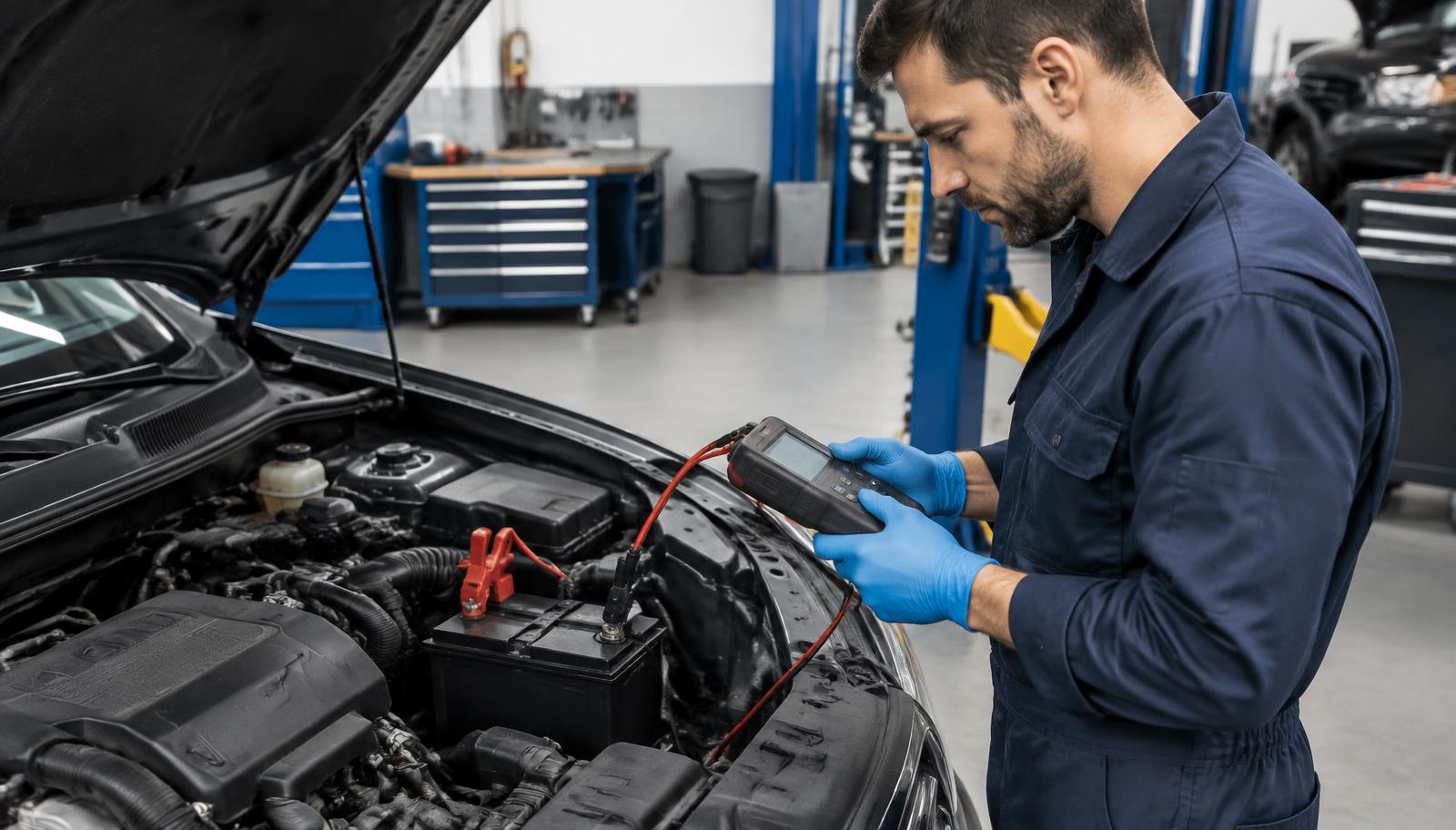
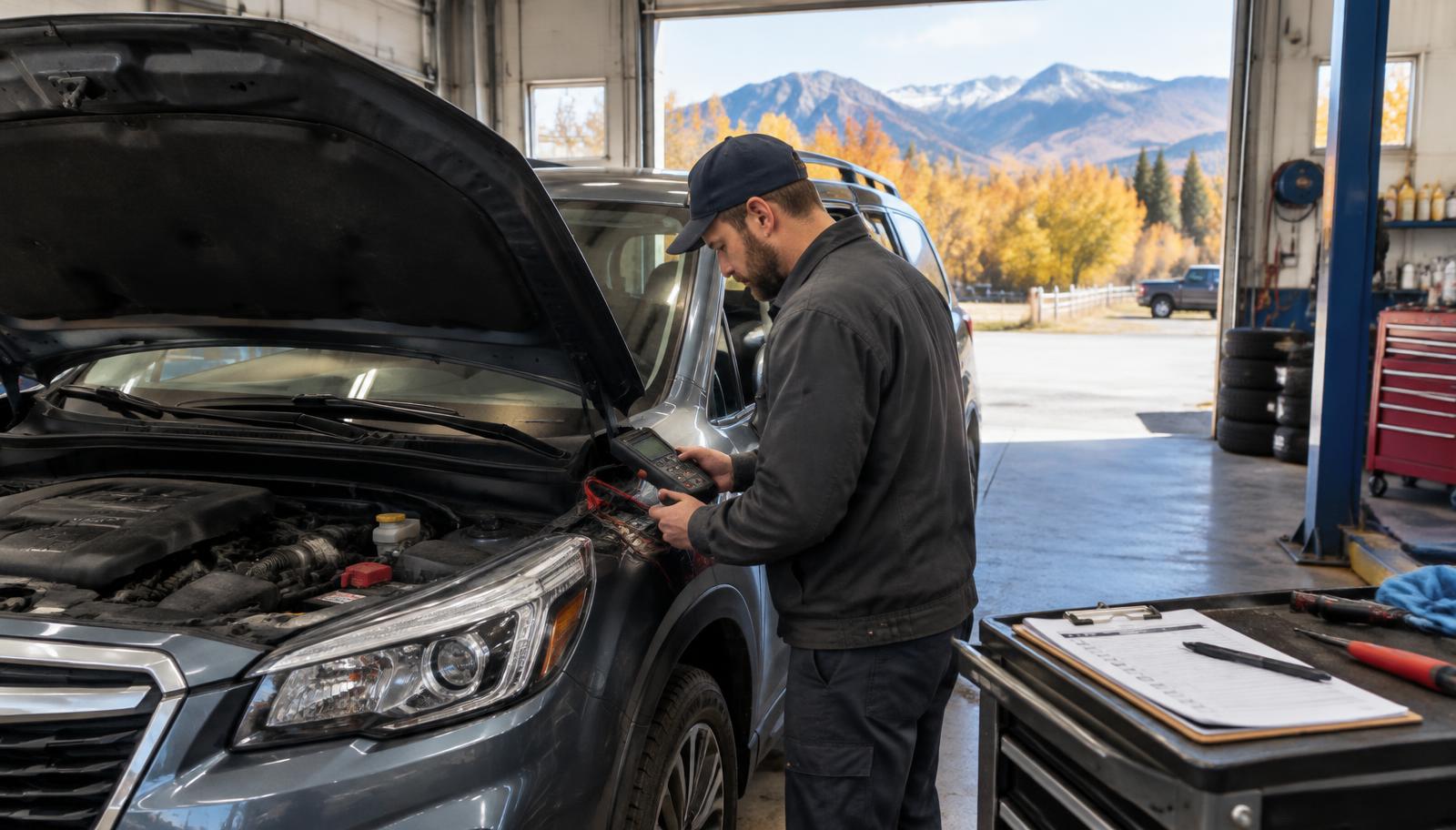
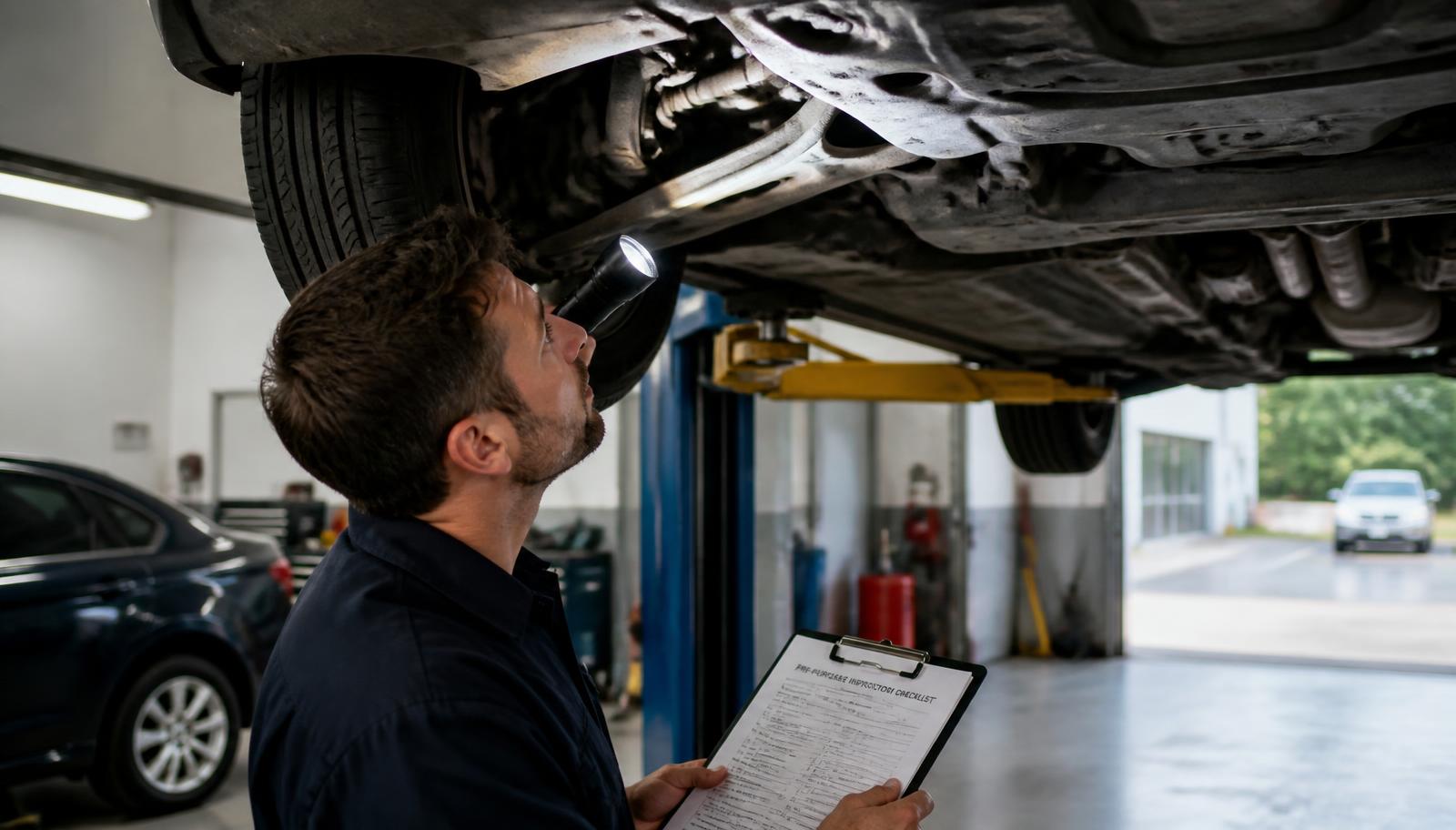
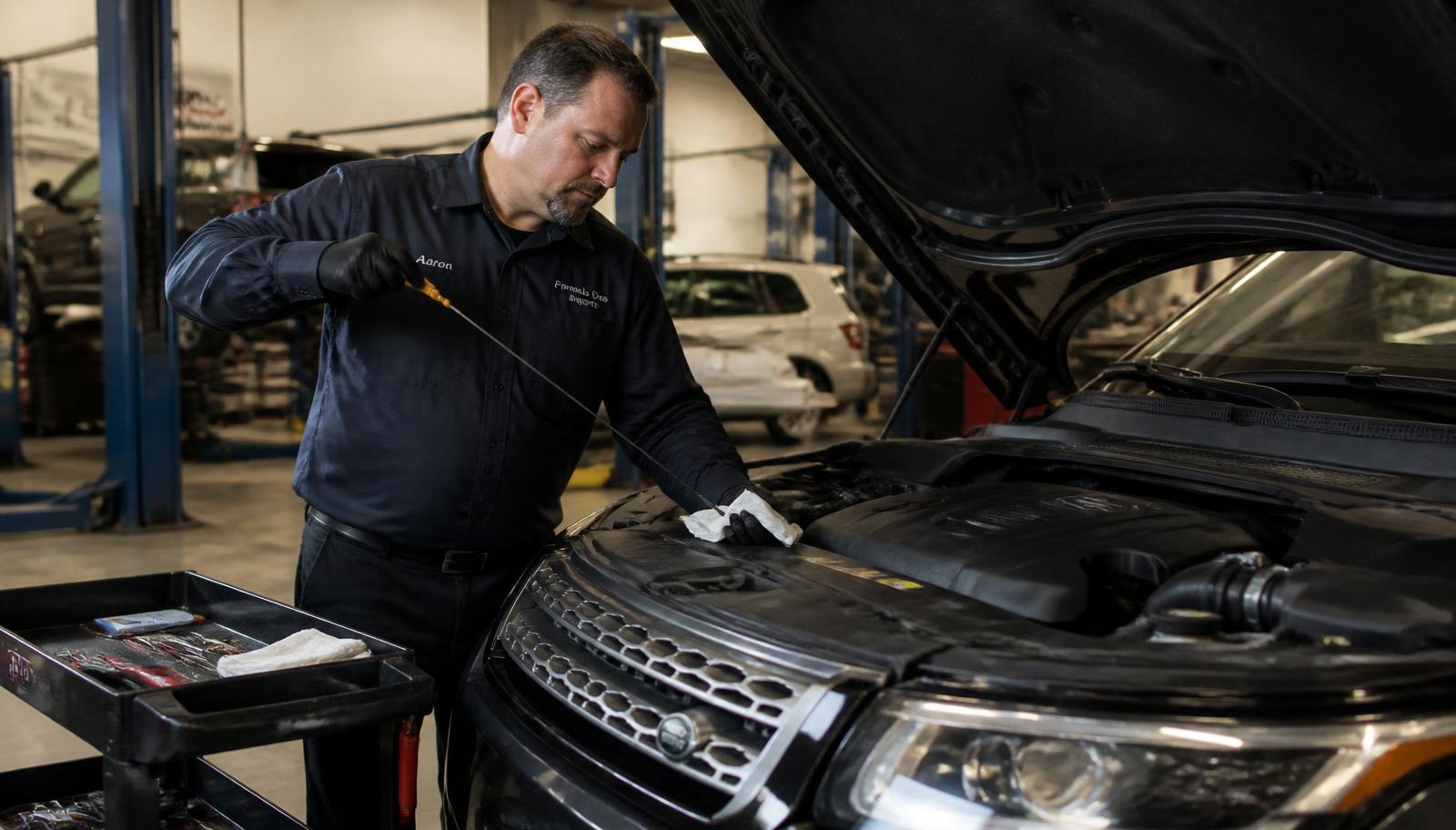
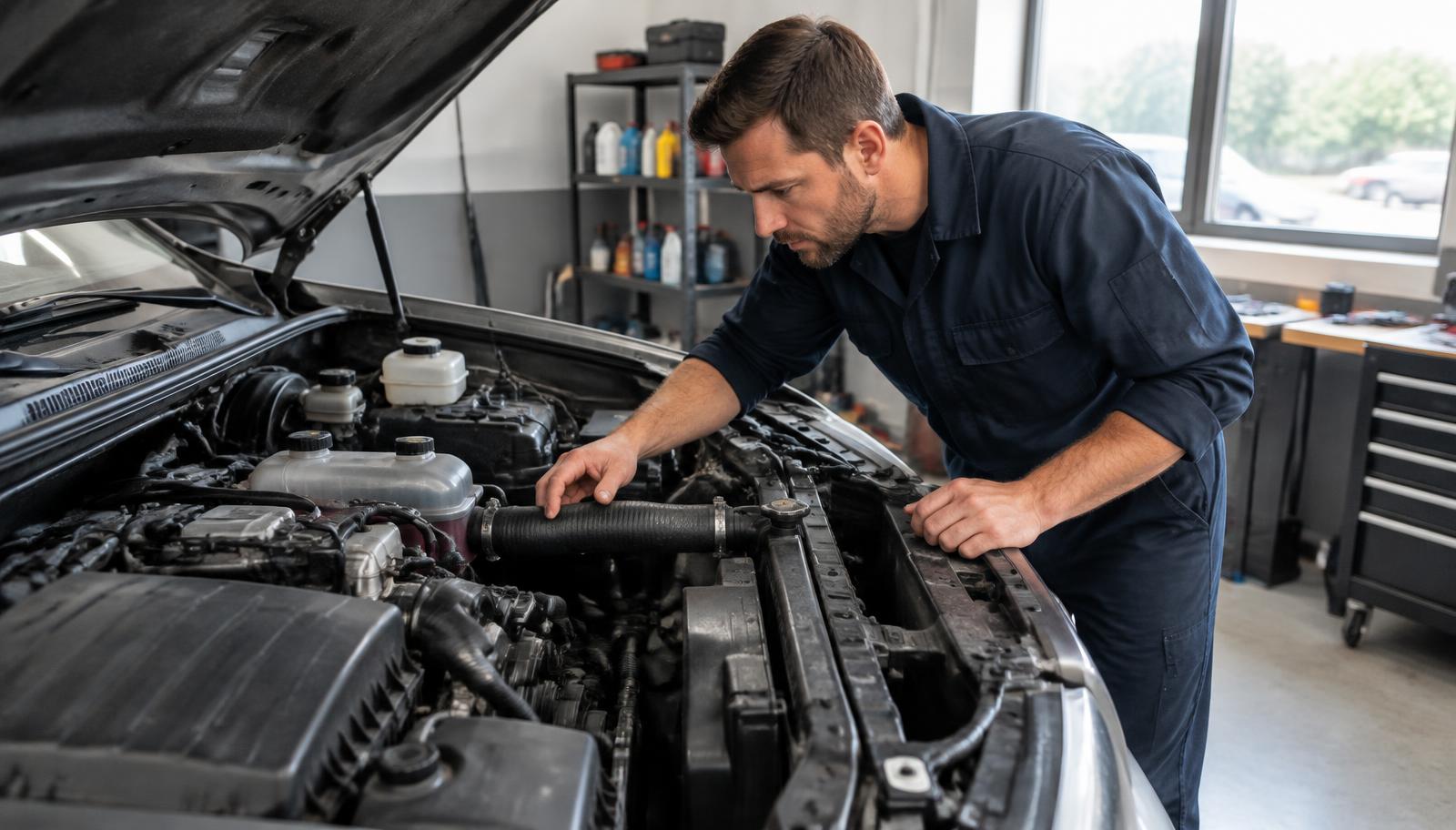
A professional evaluation may include checking coolant level and condition after the engine has cooled, examining hoses and connections, testing pressure, verifying fan operation, reviewing engine temperature data, and checking for leaks. The technician chooses tests based on your symptoms and the vehicle design.
The solution may be straightforward, such as repairing a leaking hose, or it may require additional diagnosis. Ask what was tested, what failed, why the recommended repair addresses the cause, and whether any secondary damage needs evaluation.
At 1UP Complete Auto Care, cooling-system service and radiator repairs are listed among the shop's auto repair offerings. Its approach emphasizes explaining problems and discussing repairs before the work moves forward.
Can preventative maintenance reduce overheating risk?
It can help, although no inspection can prevent every failure. Follow the manufacturer's coolant service interval, use the correct fluid, and have persistent coolant loss investigated. During routine appointments, ask about hoses, visible leaks, and cooling-system condition, especially before a lengthy drive.
Northern Colorado vehicles can see warm days, cold nights, and mountain drives. Because the cooling system is responsible for protecting the engine under varied operating conditions, a healthy system matters in every season. Coolant also helps protect against freezing, which is another reason proper concentration and condition matter.
Frequently asked questions about overheating cars
### Can I drive if the temperature gauge returns to normal?
A normal reading after an overheating event does not prove the problem is fixed. If a warning appeared, investigate before continuing significant travel, especially if coolant was lost or steam was present.
Is it safe to pour water into the radiator?
Do not open a hot, pressurized cooling system. Follow the owner's manual and use manufacturer-approved coolant. Water alone is not a proper long-term substitute for the specified coolant mixture.
Does a bad radiator always cause overheating?
No. Fans, coolant leaks, thermostats, pumps, sensors, and engine problems can all be involved. A diagnosis should identify the actual fault rather than assume the radiator needs replacement.
Is overheating more serious than a normal check-engine light?
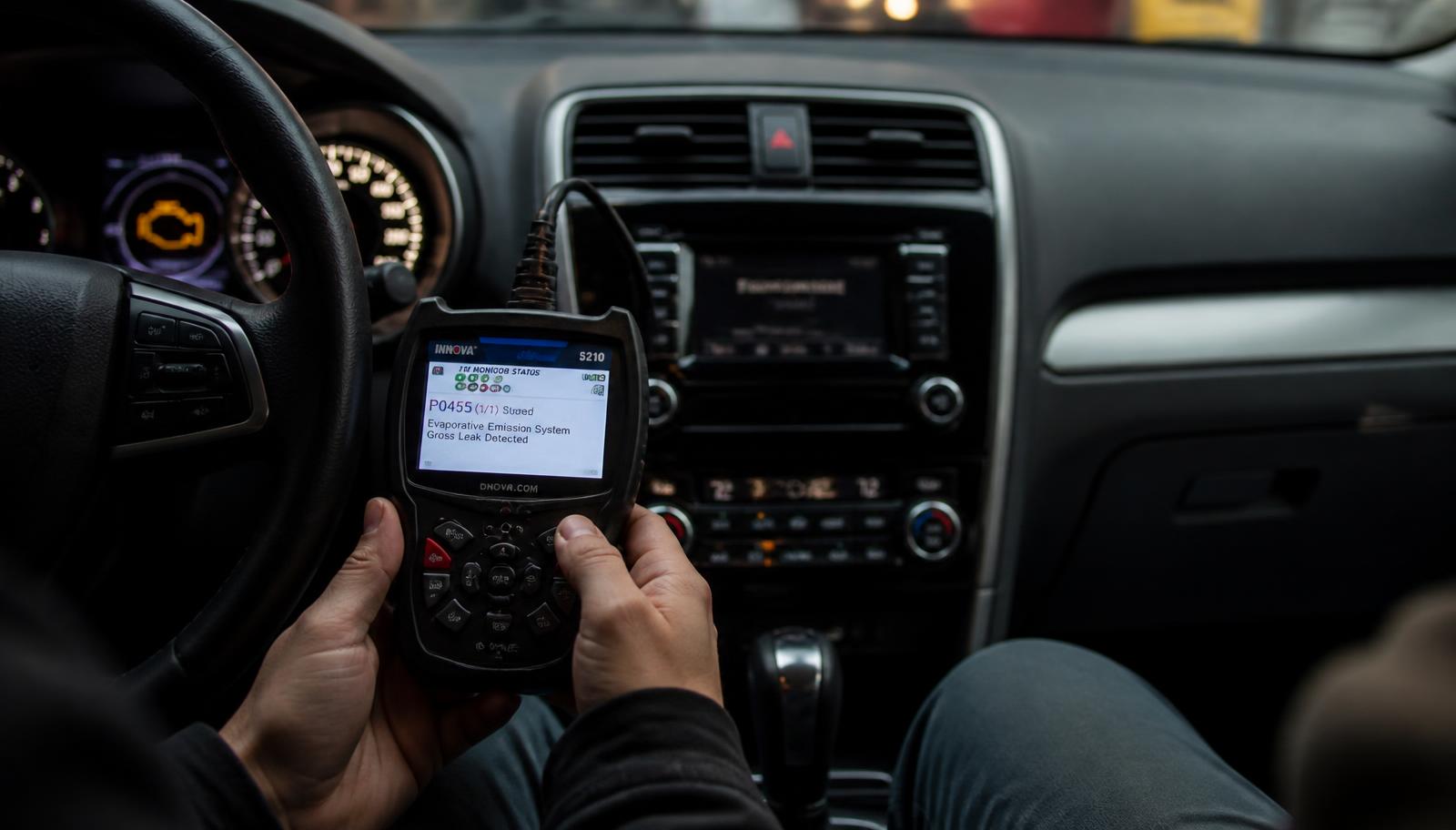
An active overheating warning requires immediate attention because engine damage can happen quickly. Check-engine lights also deserve evaluation, but the correct response depends on whether the light is steady or flashing and on how the vehicle is running.
Get cooling-system and auto repair help in Fort Collins
If your vehicle is running hot, avoid the risk of driving it farther without knowing the cause. 1UP Complete Auto Care offers automotive diagnostics and auto repair in Fort Collins for local drivers in Wellington, Laporte, Timnath, Windsor, and surrounding communities. Contact the shop or call (970) 825-5140 to explain the symptoms and discuss a safe next step.
Talk to 1UP Complete Auto Care in Fort Collins
Visit our shop at 1305 Duff Dr Unit 4 in Fort Collins or call (970) 825-5140 to schedule service.
Get a Free Quote