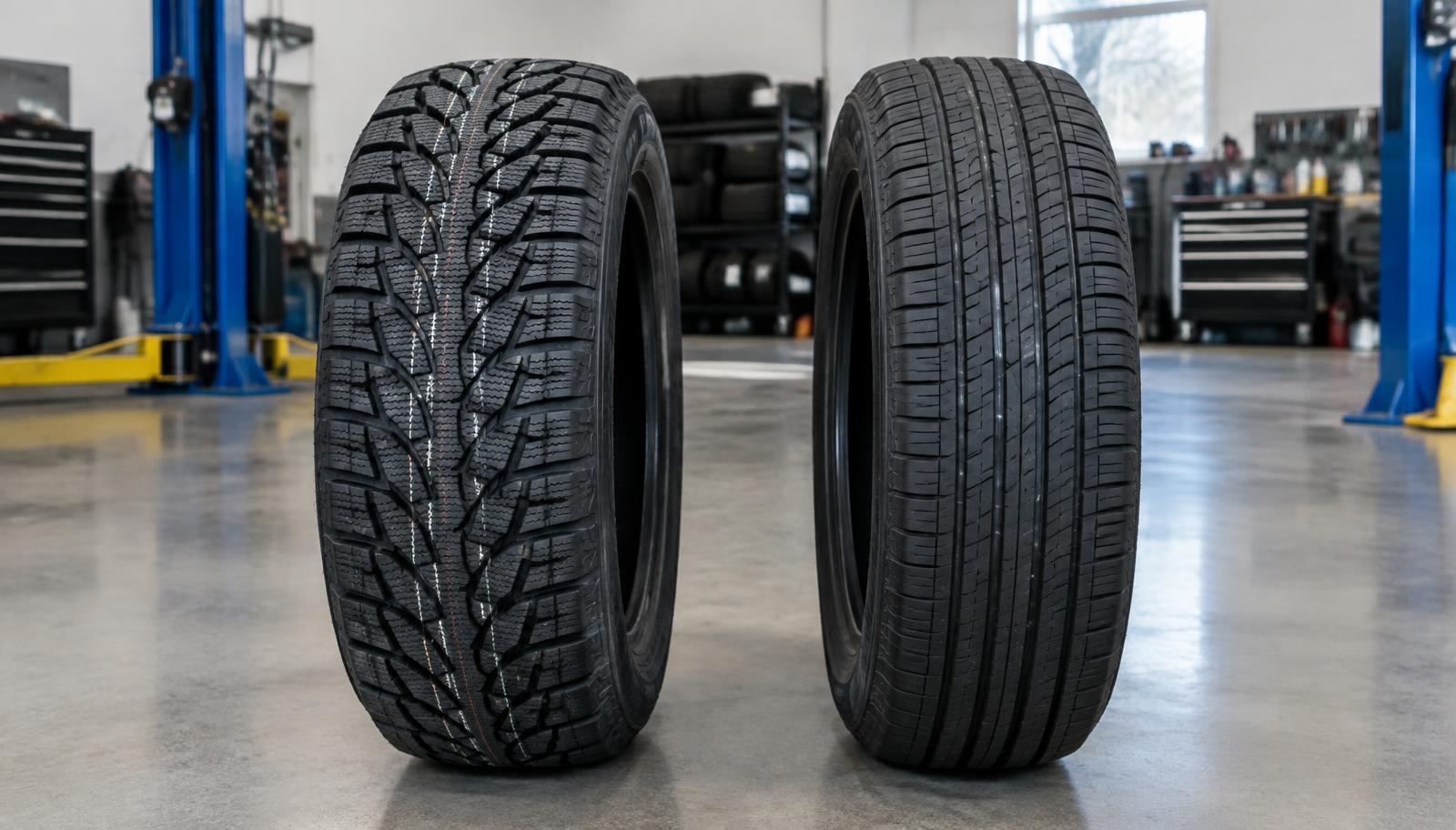
Quick answer: All-season tires are designed for a range of everyday conditions, while dedicated winter tires are built to provide improved grip in cold, snowy, and icy conditions. The best choice for a Fort Collins driver depends on routes, weather exposure, vehicle requirements, and the specific tire model. An inspection of existing tread and tire condition should come before any replacement decision.
Northern Colorado driving does not look the same for everyone. One person may commute across Fort Collins on generally plowed streets. Another may head into the foothills regularly or leave home before roads have been cleared. Those differences matter when choosing tires for cold-weather driving.
If you are comparing all-season and winter tires, do not start by asking which type is universally "best." Start by asking where, when, and how you drive, plus how much usable tread is left on your current set.
What are all-season tires designed to do?
All-season tires aim to balance several needs, often including dry and wet pavement performance, tread life, ride comfort, and some light winter capability. Performance varies widely among tire models. A newer, well-maintained all-season tire may be appropriate for some drivers who mainly stay on cleared roads and can delay travel during severe storms.
However, the all-season label does not guarantee strong traction on ice, packed snow, or in severe cold. Tire tread design and rubber compound affect how a tire responds when temperatures fall. If snow and ice are common on your regular routes, you may need a different level of winter capability.
There are also all-weather tires with specific winter-service certifications. They can be an option worth discussing, but they are not identical to every dedicated winter tire. Compare the actual tire's specifications rather than relying on a broad category name.
What makes a dedicated winter tire different?
Winter tires are developed for cold-weather traction. Their tread patterns and rubber compounds can be designed to stay more effective in low temperatures and to manage snow and slush. Some have deeper tread features or additional biting edges that help in winter conditions.
A winter tire is not a substitute for slowing down. Even with appropriate tires, braking distances can grow on slippery roads, and ice can provide very little grip. Drivers still need greater following distance, smoother steering and braking, and sound judgment about whether to travel.
If you choose a dedicated winter set, you will also need a plan for storage and for switching back when conditions warm. Ask a tire professional about the correct size, load and speed rating, and installation requirements for your vehicle.
How do you decide which tires fit your Fort Collins driving?
Think through a normal winter week:
- City commuting: Are most trips short and on roads that are usually treated or plowed?
- Early morning travel: Do you regularly drive before temperatures rise or crews clear the roads?
- Foothills and mountain routes: Do you encounter frequent snow, steep grades, or changing elevation?
- Work or family needs: Can you postpone driving when the forecast becomes dangerous?
- Vehicle and tire condition: Are your current tires worn, damaged, or poorly matched to the manufacturer's specifications?
Someone who can stay home during storms may have different needs from a driver who must travel every day. The safe choice is influenced by conditions and the individual tire, not just whether a vehicle has four-wheel drive.
Does AWD or 4WD mean you do not need winter tires?
No. All-wheel drive and four-wheel drive can help a vehicle get moving, but they do not eliminate traction limits during braking and turning. Tires still have to grip the road. A vehicle with AWD on worn or inappropriate tires may struggle to stop or corner on slippery pavement.
When choosing tires, prioritize the expected conditions and manufacturer requirements. If you regularly use mountain routes, check relevant road and traction requirements before the trip. Rules can vary by location and conditions, so verify current posted restrictions rather than assuming your drivetrain qualifies for every road.
When should existing tires be replaced?
Replacement decisions should consider tread depth, age, damage, uneven wear, and overall condition. Cuts, sidewall bulges, exposed cords, and structural damage are important safety concerns. Tire age and replacement recommendations depend on the tire manufacturer and vehicle manufacturer, even when the tread looks acceptable.
The National Highway Traffic Safety Administration recommends regular tire inspections and notes that pressure should be checked when tires are cold. It also advises using the vehicle's recommended inflation pressure from the door label or owner's manual. That pressure can change as temperatures fall, so check it regularly rather than assuming last month's setting is still correct.
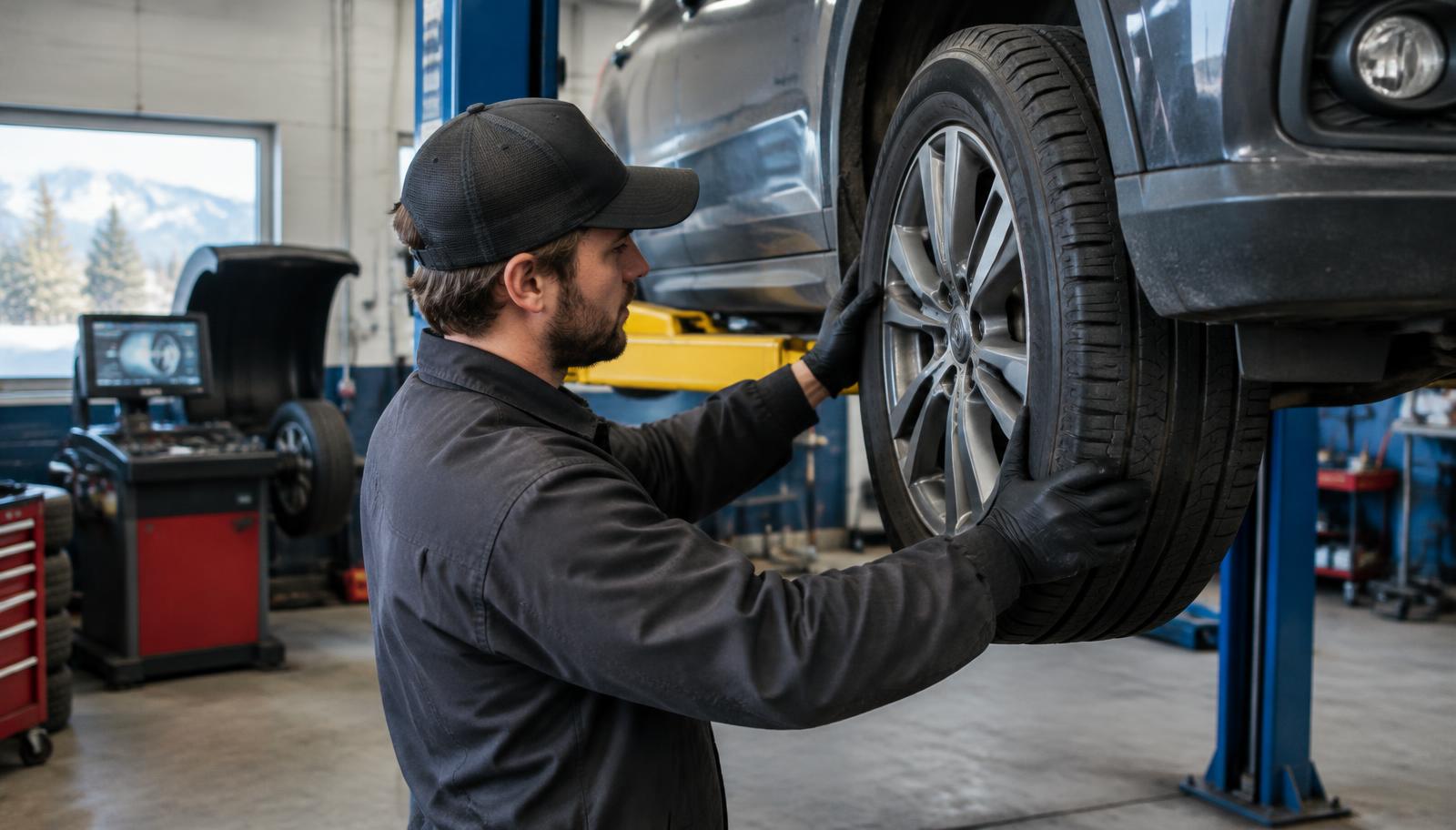
At 1UP Complete Auto Care's tire service, technicians can inspect tire concerns and discuss repair or replacement based on condition. If you are not sure whether your current set is suitable for winter, ask for a tire evaluation before purchasing replacements.
How much tread do you need for snow?
Tread depth affects a tire's ability to manage water, snow, and slush, but a single number does not describe every tire's winter performance. The legal minimum tread depth is not necessarily a good target for snow driving. Tire design, wear pattern, inflation, and weather all matter.
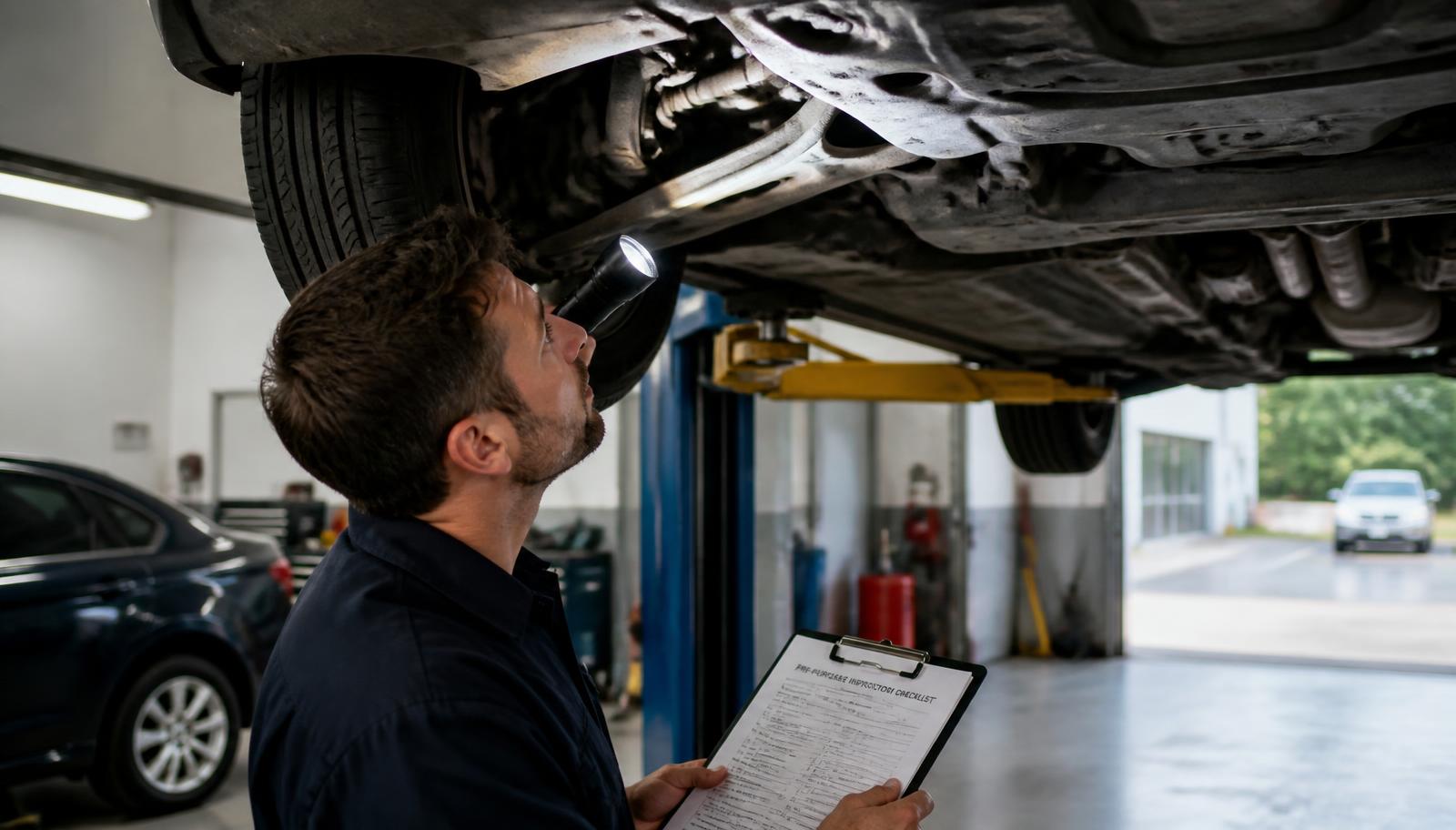
Have a technician measure tread and evaluate wear across each tire. A tire with uneven wear or structural damage may need attention even if one section looks acceptable. If tread is low and you frequently drive in winter conditions, discuss replacement proactively rather than waiting for the first storm.
Frequently asked questions about tires in Fort Collins
Are winter tires worth it if I drive only in town?
They may be, especially if you must drive in snow or freezing conditions. If you can avoid severe weather and mainly use cleared roads, another appropriately rated tire may fit your needs. Evaluate your routes and actual tire condition.
Can I install just two winter tires?
Mixing tire types can create handling problems. Follow the tire and vehicle manufacturers' recommendations; a matched set of four winter tires is commonly advised for balanced traction.
Do winter tires help on ice?
Tires designed for winter conditions can improve grip compared with some all-season options, but no conventional tire makes ice safe. Reduce speed and increase following distance whenever roads are slick.
Should I check tire pressure more often during cold weather?
Yes. Temperature changes affect tire pressure. Check cold pressure regularly against the vehicle's placard and look for leaks or unusual pressure loss.
Get tire advice and replacement help in Fort Collins
Choosing tires is about matching traction to the conditions you actually face. 1UP Complete Auto Care offers tire repair and replacement services in Fort Collins for drivers from Laporte, Wellington, Timnath, Windsor, Masonville, and nearby communities. Schedule a tire inspection or call (970) 825-5140 to discuss tire condition and your winter-driving needs.
Talk to 1UP Complete Auto Care in Fort Collins
Visit our shop at 1305 Duff Dr Unit 4 in Fort Collins or call (970) 825-5140 to schedule service.
Get a Free Quote