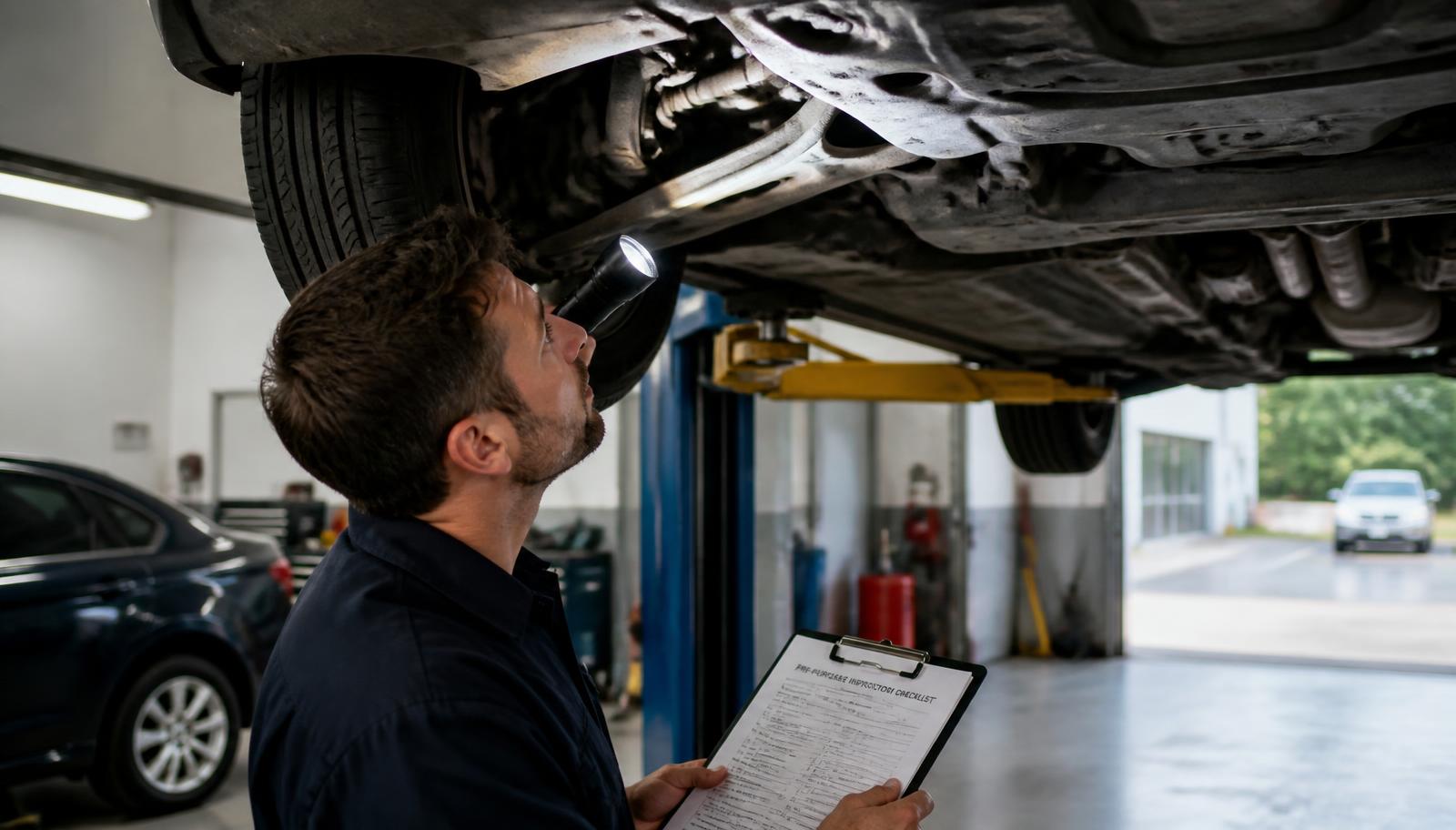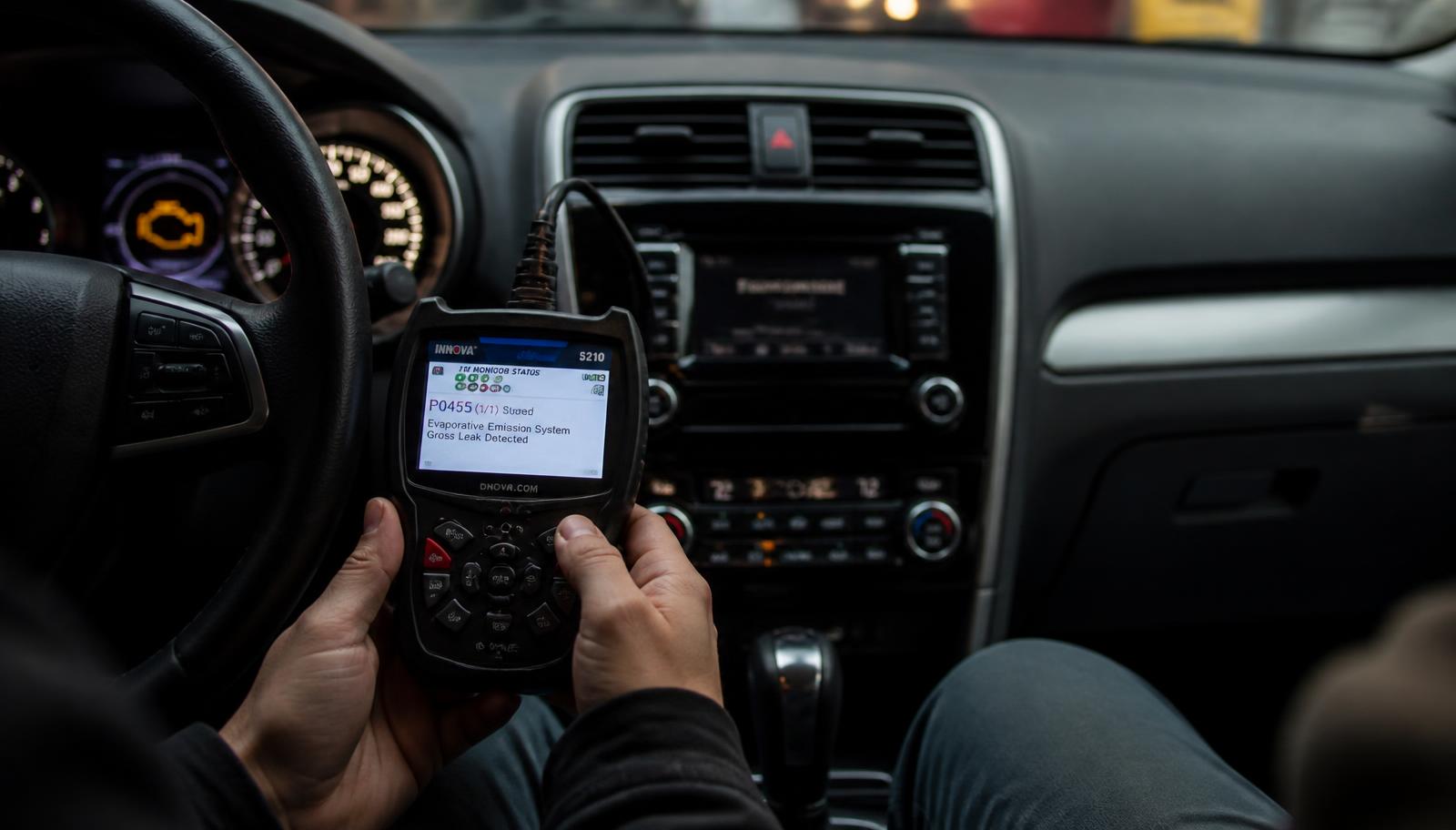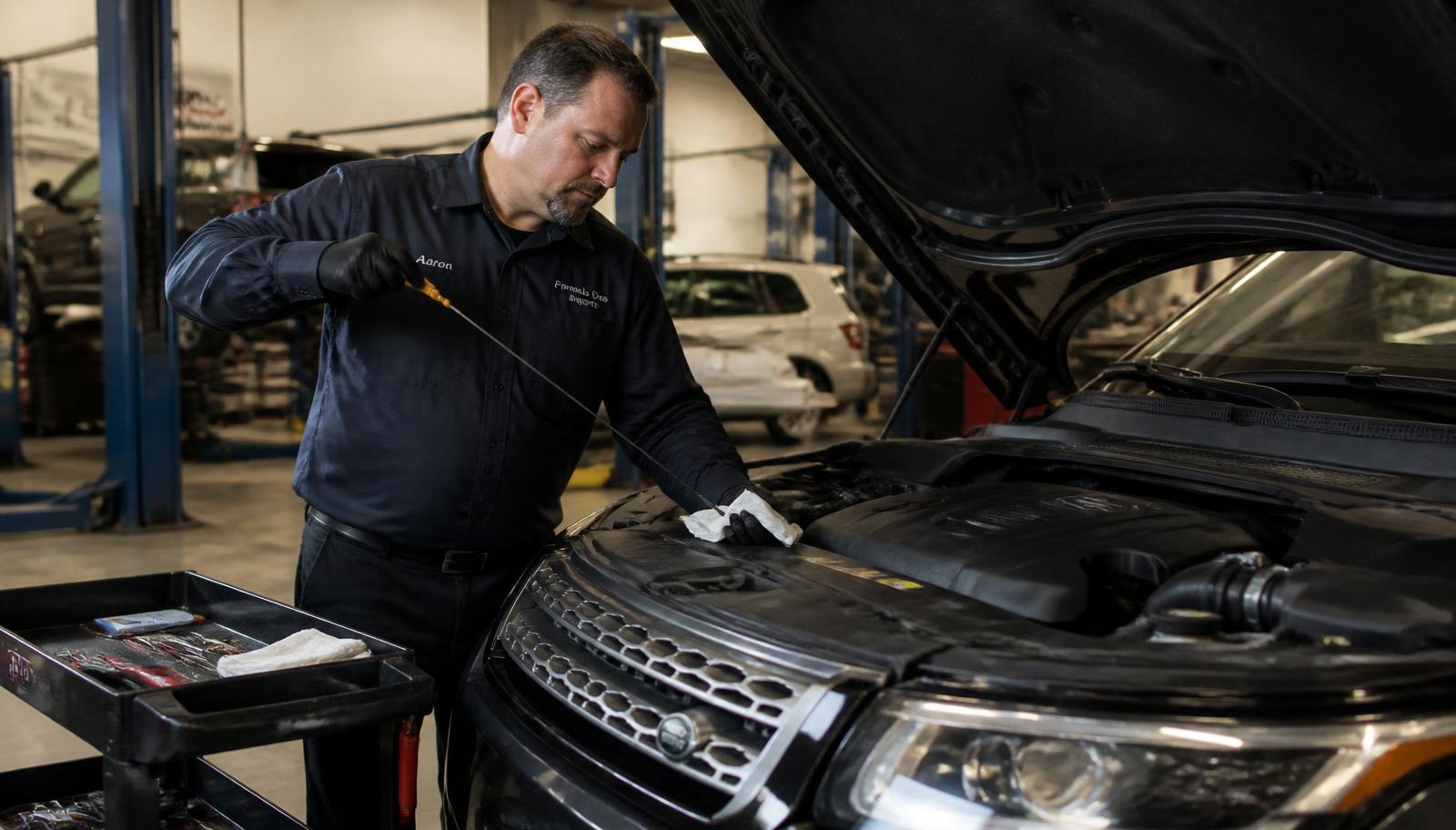
Quick answer: Before colder weather arrives in Fort Collins, check tire condition and pressure, battery and charging performance, coolant, brakes, lights, wipers, heater and defroster, and the vehicle's maintenance schedule. A fall inspection can identify worn parts and weak systems before temperatures drop, although the exact work needed depends on your vehicle.
One week can bring comfortable afternoon temperatures and chilly mornings in Northern Colorado. That change makes fall a practical time to assess your car before winter commuting, holiday travel, or weekend drives toward the foothills. You do not need to buy every "winter package" offered to you. You need to know whether the systems that affect starting, visibility, braking, and traction are in good condition.
Here is a useful checklist to bring to your next vehicle maintenance visit in Fort Collins.
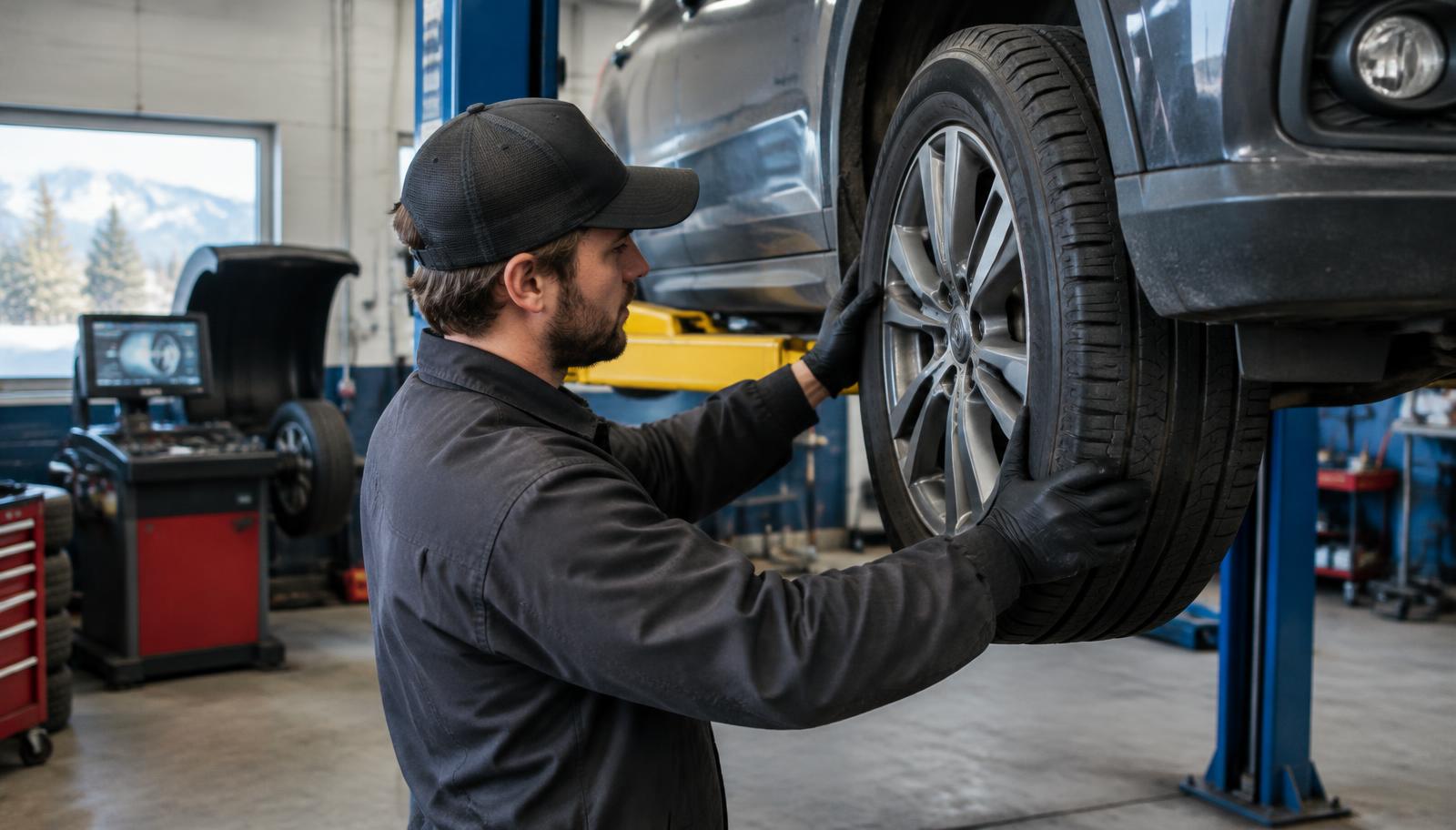
1. Check tires before the temperature drops
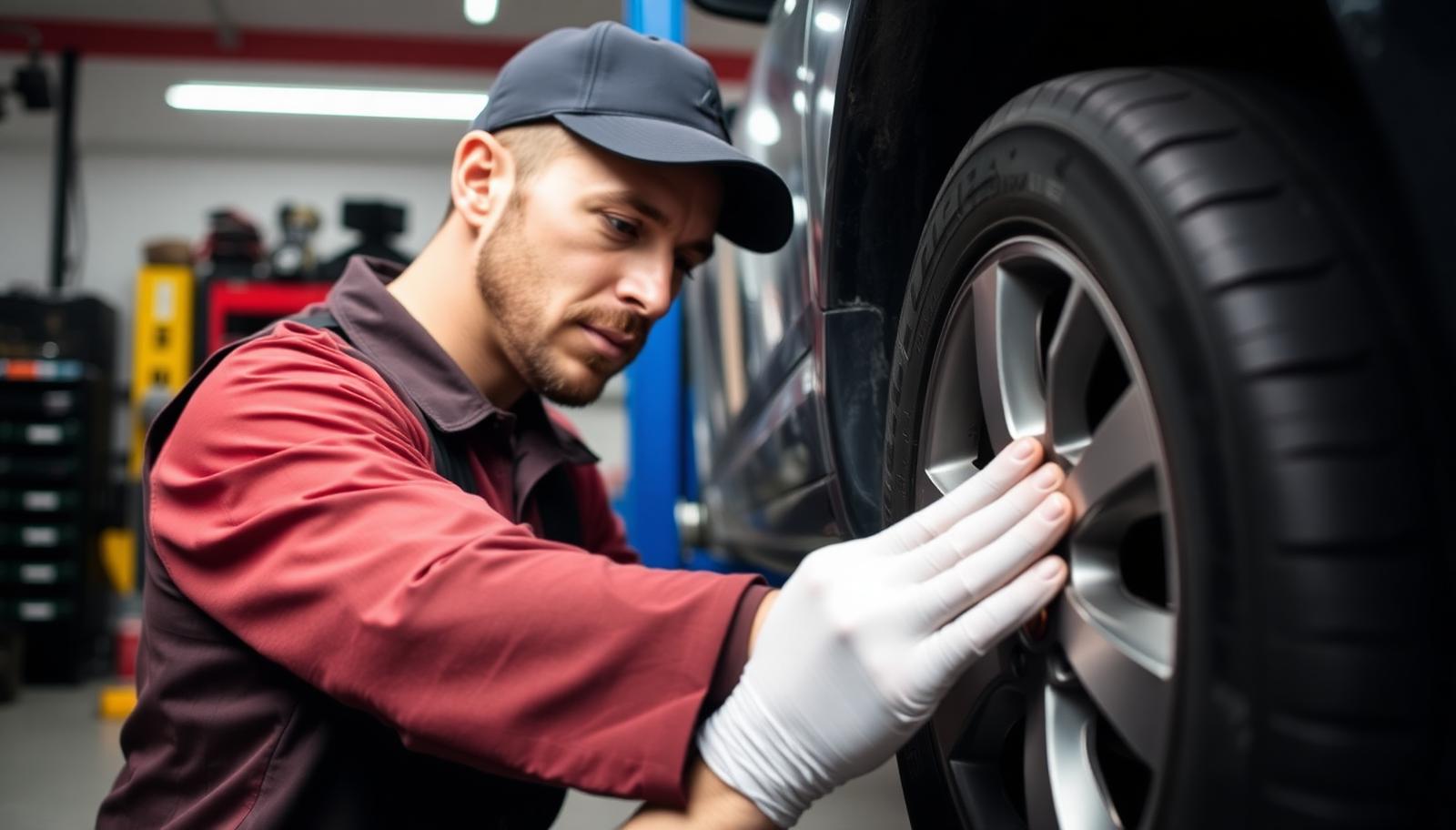
Start with tire pressure. Air pressure drops as temperatures fall, so a tire that seemed fine in warm weather may trigger a low-pressure warning on a cold morning. Measure pressure when tires are cold and use the recommended pressure on the driver's door-jamb label or in the owner's manual. The number molded into a tire's sidewall is not the vehicle's normal inflation target.
Look for uneven wear, cuts, bulges, and embedded objects. Check tread depth, too. The legal minimum is not necessarily the best point at which to judge winter traction. If your tires are worn or have an irregular pattern, ask a technician about their condition and whether replacement or another inspection is needed.
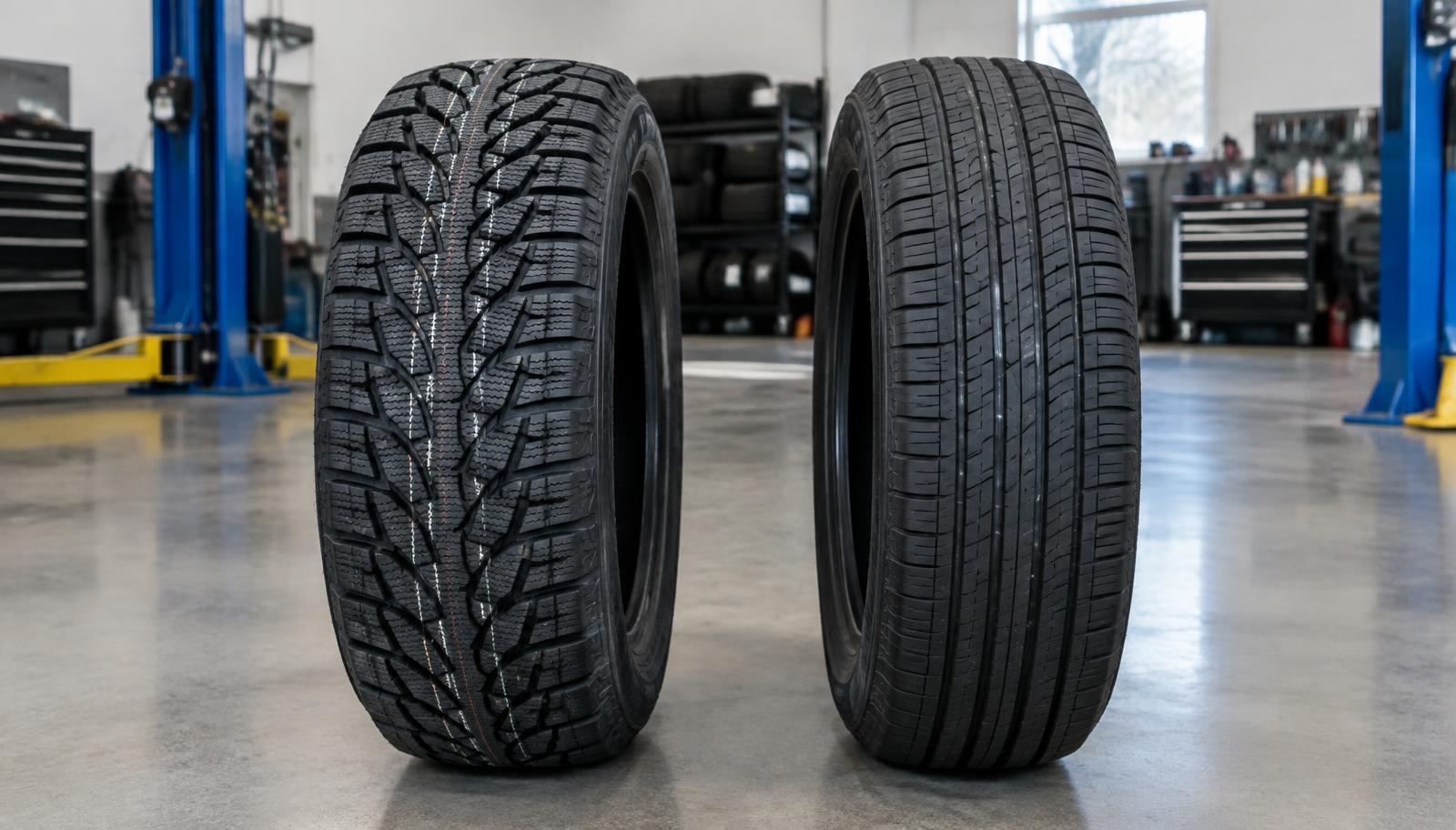
Drivers who regularly travel on snowy or icy roads should also discuss whether their current tire type is appropriate. An all-season tire and a dedicated winter tire do not perform the same way in every condition. The right choice depends on the specific tire, road conditions, and how you drive.
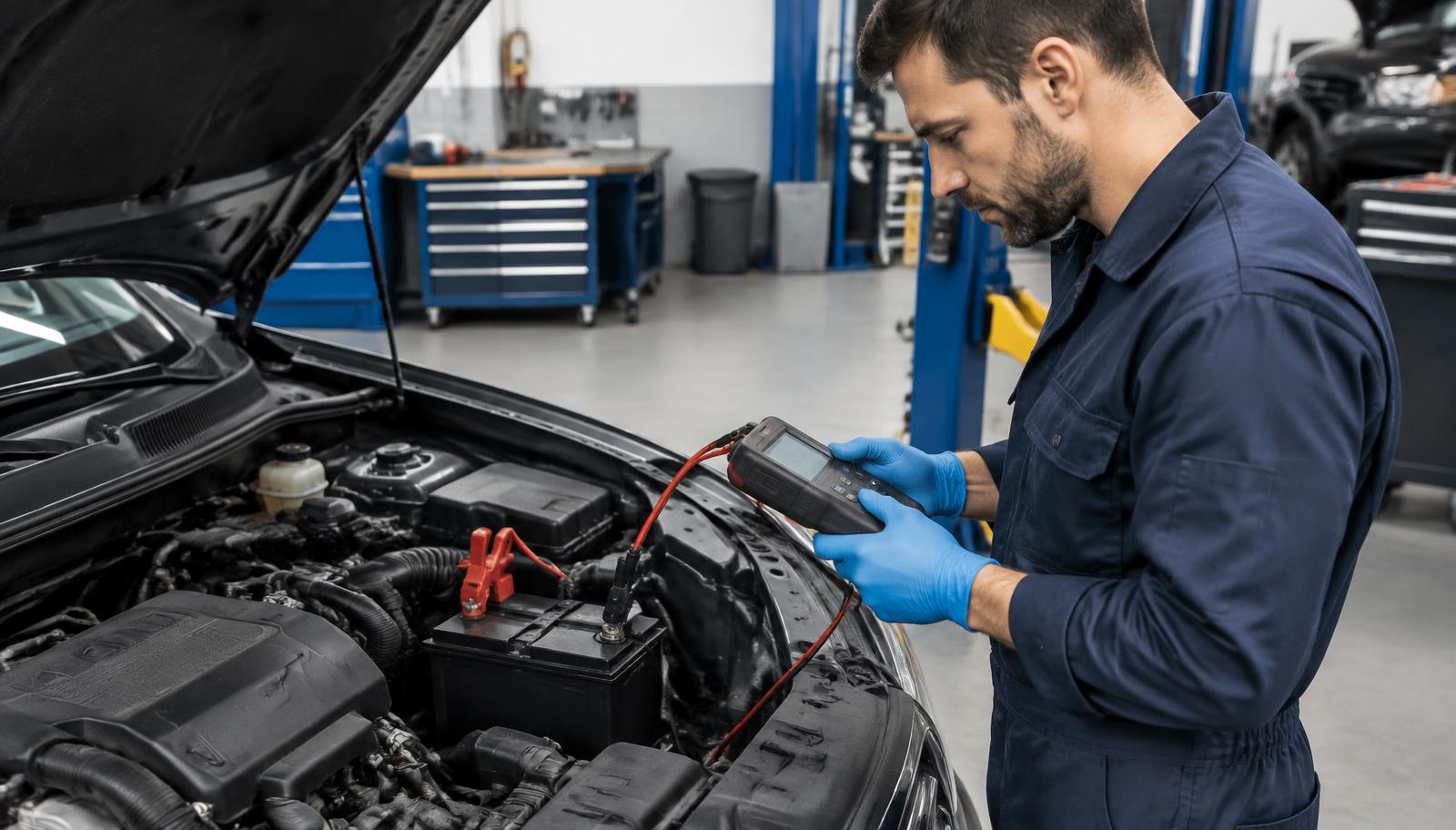
2. Test the battery and charging system
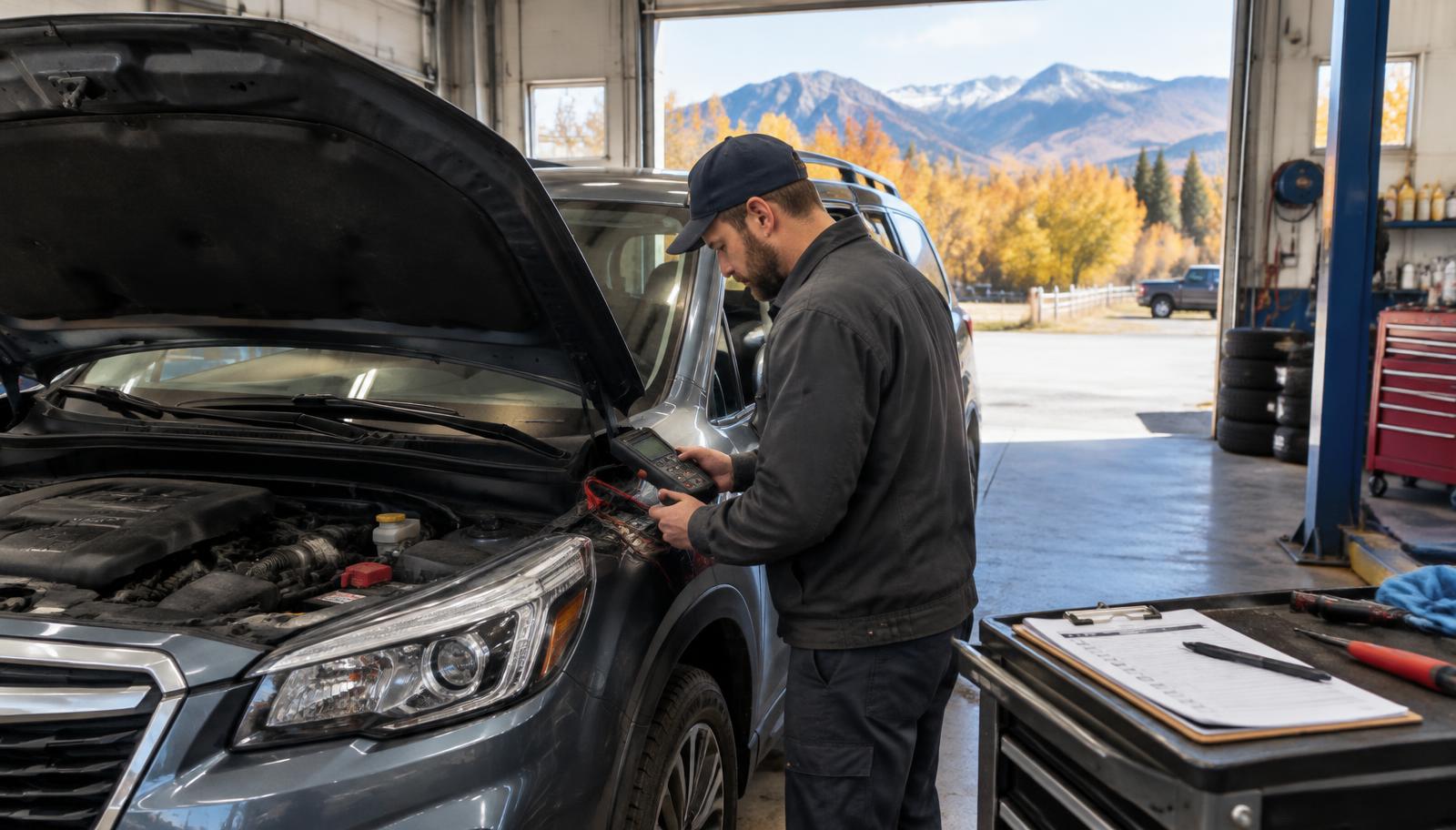
Cold weather can reduce the power available from a vehicle battery while increasing the effort required to start the engine. A battery that worked through summer may struggle on a freezing morning. Slow cranking, intermittent starting trouble, and repeated jump-starts are reasons to request an electrical system check.
A battery test is useful, but it does not answer every electrical question. The alternator, starter, battery connections, and other components may also affect starting and charging. At 1UP Complete Auto Care, battery testing and replacement are part of the listed vehicle maintenance offerings, while automotive diagnostics includes battery, alternator, and starter testing.
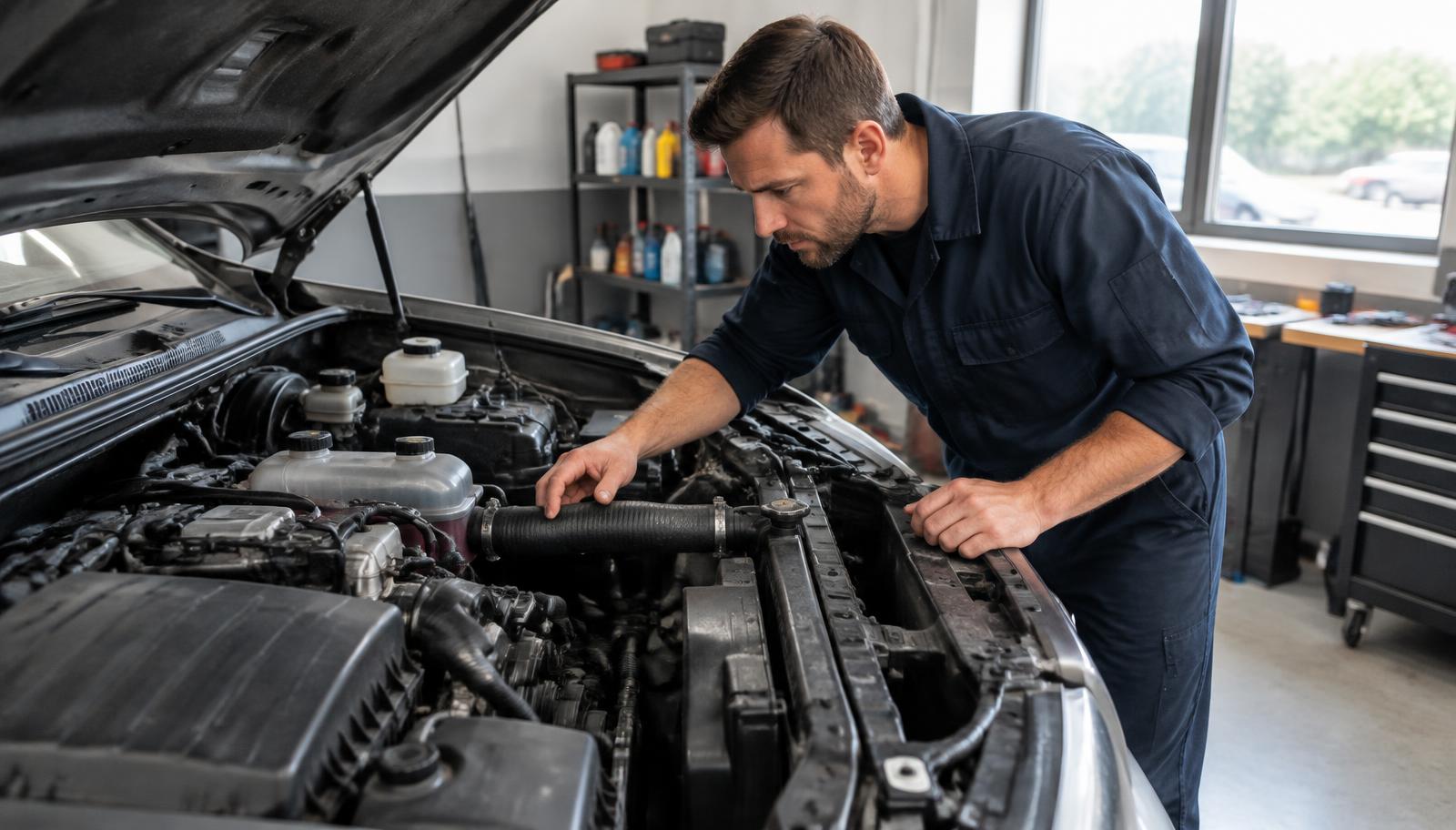
3. Verify coolant condition and look for leaks
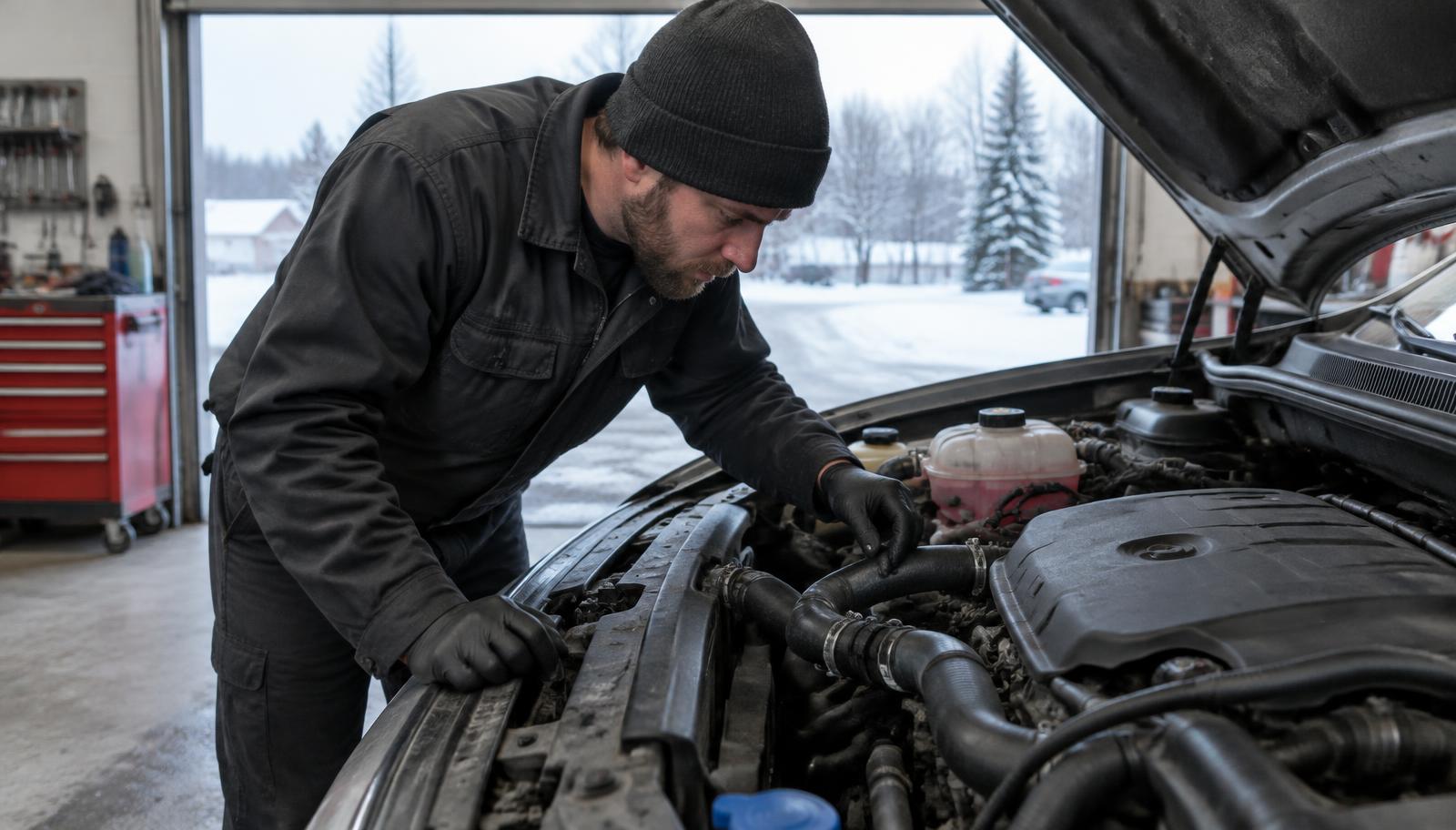
Engine coolant protects against both overheating and freezing when it is in the correct condition and mixture. A weak or leaking cooling system can become a major problem during winter, even though many drivers associate coolant only with hot-weather concerns.
Have the correct coolant specification and service interval checked against the manufacturer's recommendations. Ask about any unexplained fluid loss, wet spots near hoses, or sweet smells. Do not open a pressurized cooling-system cap while the engine is hot. If you see a temperature warning, stop safely rather than continuing toward your destination.
4. Inspect the brakes before slick-road season
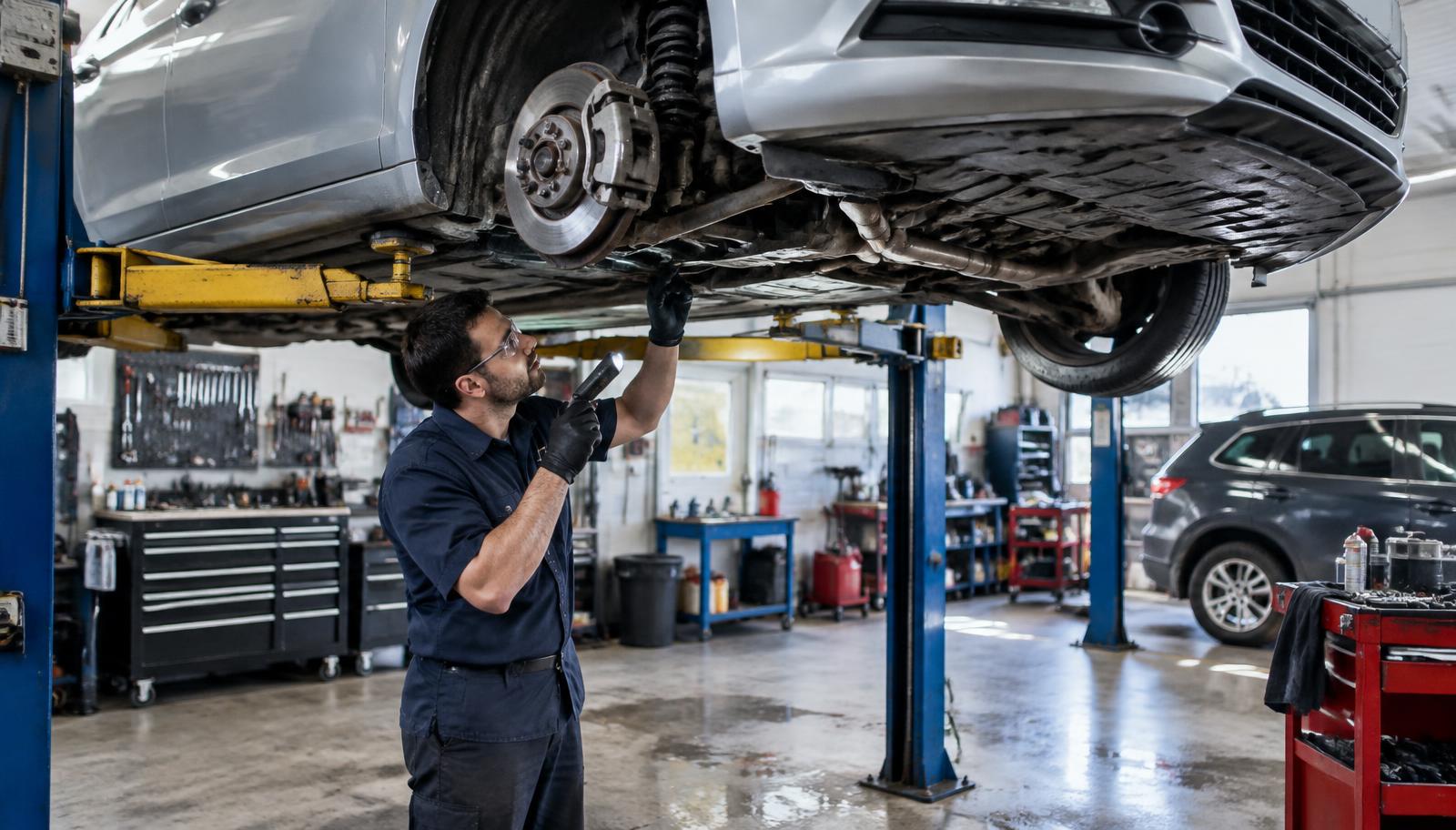
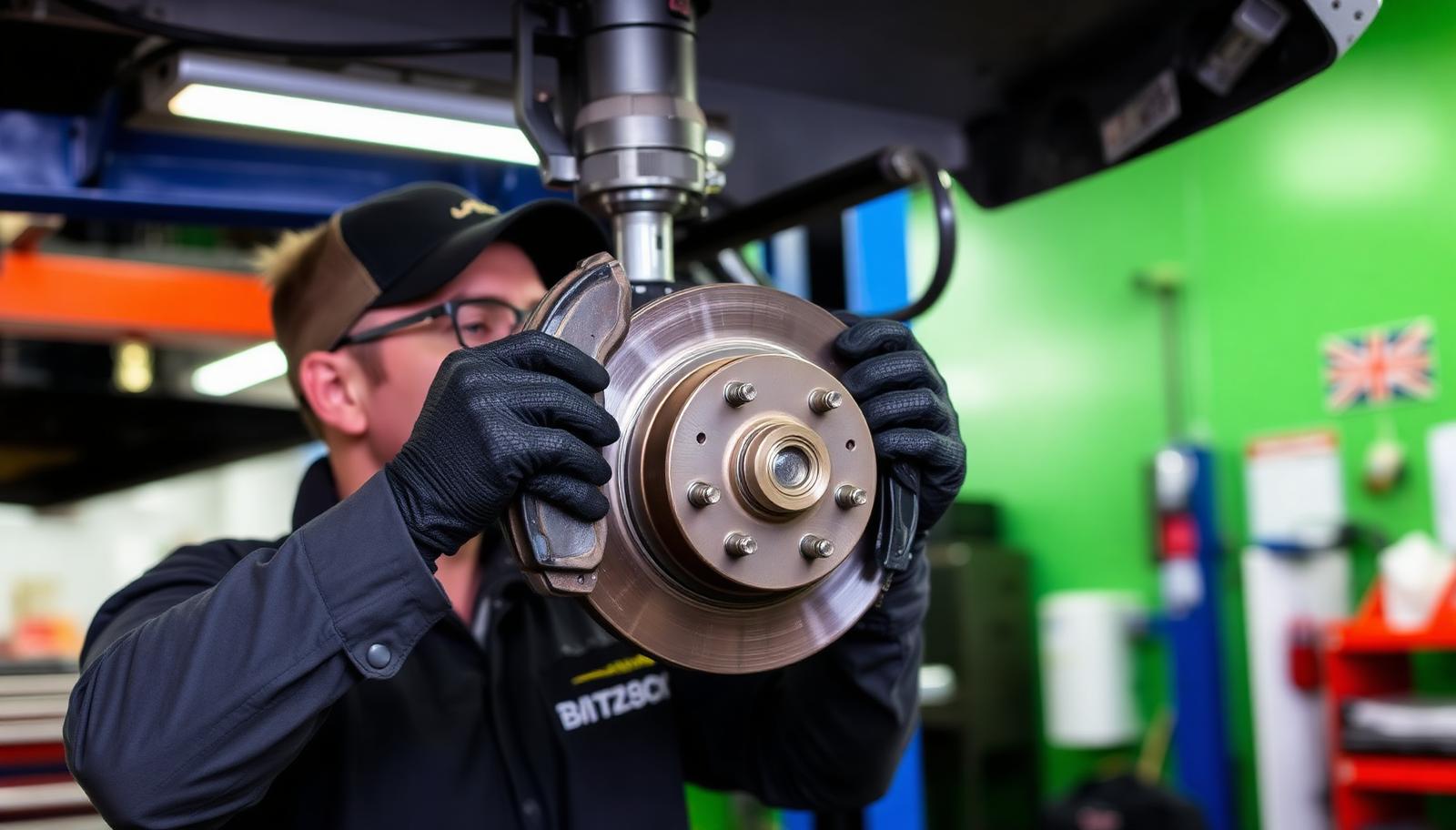
Traction may be reduced on wet, snowy, or icy pavement, so dependable brakes matter. A brake inspection can look at pad and rotor condition, fluid-related concerns, leaks, and other relevant parts based on the vehicle. If you notice grinding, reduced braking response, a soft pedal, or pulling when braking, have the vehicle checked promptly.
Brake problems are not always loud. Some components wear gradually without obvious warning signs. A routine inspection gives you a clearer view of current condition, which is useful before holiday driving or longer commutes between Fort Collins, Wellington, and Windsor.
5. Make sure you can see and be seen
Test headlights, brake lights, turn signals, and emergency flashers. Replace worn wiper blades, and confirm that the windshield washer system works. Use washer fluid suitable for freezing conditions when recommended for your vehicle and climate.
Try the windshield defroster before the first icy morning. If the cabin heater or defroster is not working correctly, visibility and comfort may suffer. A heater issue can sometimes relate to coolant level or the cooling system, so it is worth describing alongside any temperature-gauge changes.
Clean the inside of the windshield and verify that mirrors, windows, and exterior lights are clear. Small visibility issues are much more noticeable after the days get shorter.
6. Review overdue maintenance, not just seasonal items
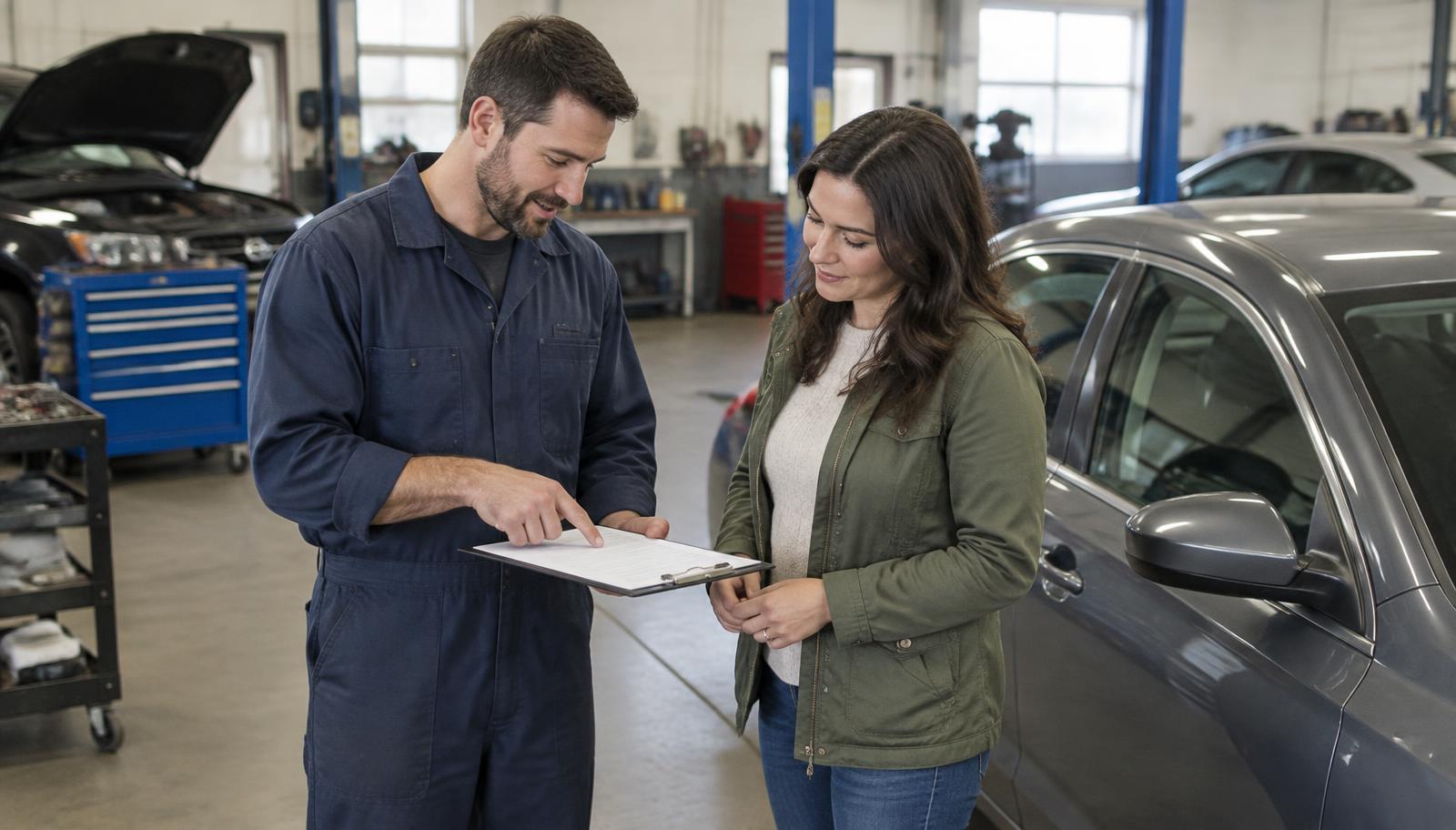
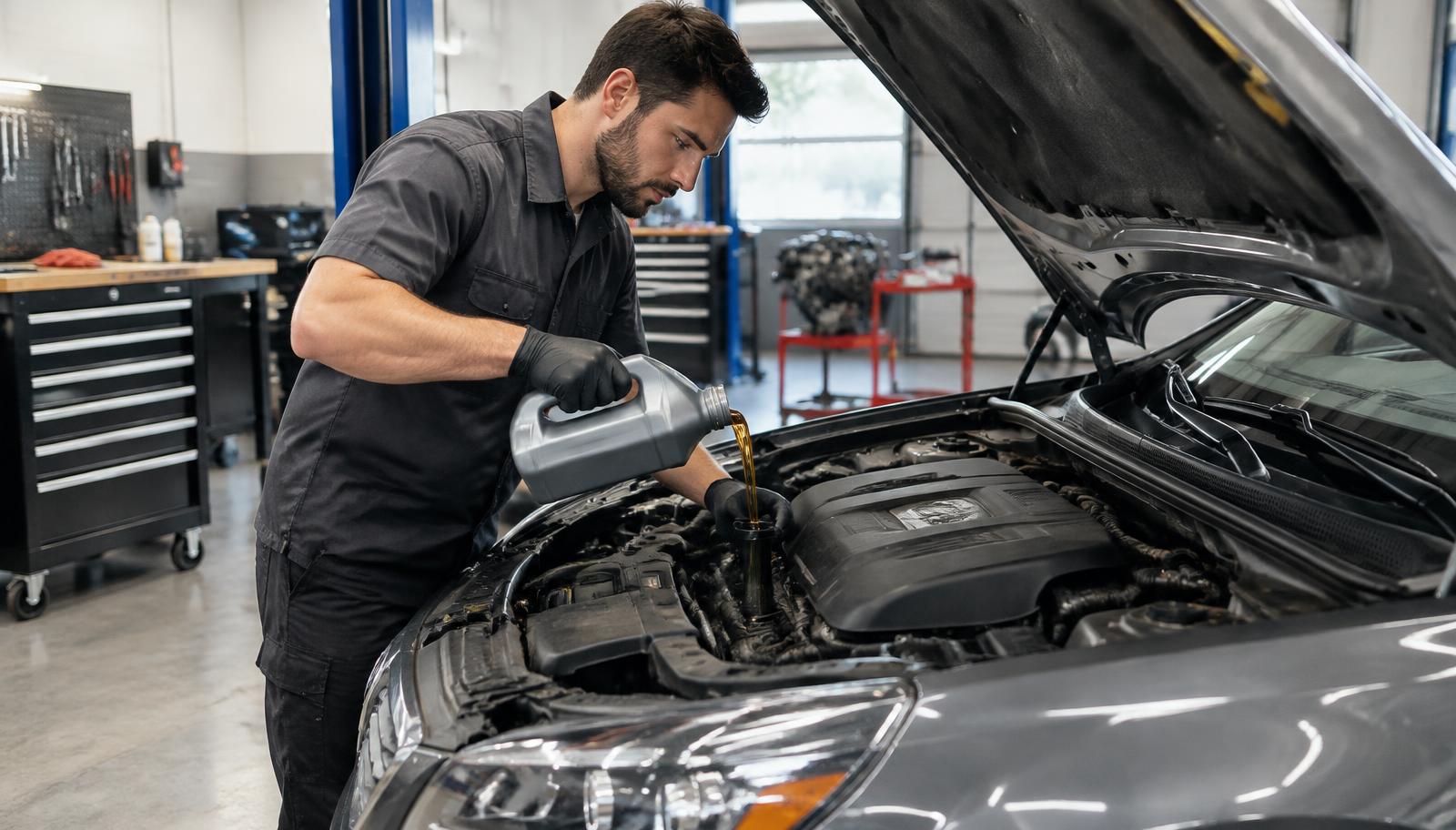
Fall is also an opportunity to check the maintenance schedule. Oil and filter changes, tire rotation, fluid checks, belts, hoses, and other items may be due based on time or mileage. Rather than approving a generic list, compare recommended work against the owner's manual and recent service records.
If you drive an older vehicle, ask which items are safety-related, which are needed for reliability, and which can be planned for later. A clear maintenance conversation should explain the reason behind each recommendation.
7. Build a sensible winter travel kit
Even a well-maintained vehicle can encounter a closure or delay. Consider carrying a flashlight, phone charging cable, warm clothing or blankets, ice scraper, small shovel, drinking water, and other supplies appropriate for your route. Before a longer drive, check weather forecasts, road advisories, and fuel or charging needs.
If you are heading outside Fort Collins toward higher elevations, plan for road conditions that may be very different from those in town. Good vehicle maintenance supports readiness, but it cannot overcome poor traction, dangerous weather, or an unsafe route.
Frequently asked questions about fall car maintenance
### Do I need winter maintenance if I mainly drive in Fort Collins?
Yes, it is worth checking the systems that cold weather affects, even if you rarely leave city streets. Battery performance, tire pressure, visibility, and braking condition matter for short daily trips, too.
### When should I schedule a fall vehicle inspection?
Schedule it before the season's first sustained cold spell or before any major trip if possible. If warning lights, fluid leaks, or unsafe driving symptoms are already present, do not wait for a seasonal appointment.
Does fall maintenance mean replacing my battery?
No. A battery should be evaluated based on age, performance, condition, and test results. A test can help determine whether replacement or further charging-system diagnosis makes sense.
Are winter tires required for every Fort Collins driver?
Not for every trip or every vehicle. Tire decisions should consider your actual routes, manufacturer requirements, weather conditions, and traction needs. If you frequently encounter snow or ice, ask about appropriate winter-rated options.
Get ready for colder weather with 1UP in Fort Collins
A fall maintenance visit should give you useful answers, not a list of unnecessary replacements. 1UP Complete Auto Care provides routine maintenance, tire services, inspections, and diagnostics for drivers in Fort Collins and nearby Laporte, Wellington, Timnath, Windsor, and Masonville. Book a vehicle maintenance appointment or call (970) 825-5140 to review your car's fall checklist.
Talk to 1UP Complete Auto Care in Fort Collins
Visit our shop at 1305 Duff Dr Unit 4 in Fort Collins or call (970) 825-5140 to schedule service.
Get a Free Quote