Quick answer: A car heater that blows cold air may be affected by low coolant, a thermostat problem, restricted heater-core flow, an air-mix door or control issue, or another fault. Because cabin heat in many gasoline vehicles depends on engine coolant, the problem can sometimes be connected to a cooling-system concern. If the engine is overheating, stop driving safely and seek assistance.
Nothing makes a Fort Collins morning feel longer than turning on the heat and getting a blast of cold air. The issue can be uncomfortable, but it can also affect how quickly your windows defrost. That makes a heater problem worth diagnosing before cold-weather travel becomes routine.
A heater that never warms up, a heater that works only while driving, and a fan that does not blow at all may have different causes. The first step is to describe exactly what the system does rather than assuming it needs a single replacement part.
How does a car heater make warm air?
On many traditional gasoline-powered vehicles, the engine generates heat as it runs. Coolant carries that heat through the cooling system, and a smaller component called the heater core transfers some of it to air moving into the cabin. Fans and temperature-control doors manage where the air goes and how warm it feels.
This arrangement explains why some heating problems overlap with engine-cooling issues. If coolant is too low or does not circulate as intended, the heater may not receive enough warmth. If the air-control system does not direct air correctly, the cabin can stay cold even when the engine reaches normal temperature.
Electric and hybrid vehicles may use different heating technologies, so the diagnostic process depends on the vehicle model. Always follow your owner's manual and the correct service procedures for your car.
Common reasons your car heater is not getting warm
Low coolant or a coolant leak
Insufficient coolant can interfere with heater performance. You may also notice a coolant warning, a sweet smell, or an engine temperature problem. Do not assume the heater is the only issue, and never remove a hot cooling-system cap. A leaking system needs inspection and repair, not repeated topping off.
A thermostat that is stuck open or operating incorrectly
If the thermostat allows coolant to circulate in a way that keeps the engine from reaching its intended operating temperature, cabin heat may remain weak. A temperature gauge that stays unusually low may be a clue, but it is not a diagnosis. A technician can evaluate temperature behavior and related components.
Restricted heater-core flow
The heater core is a small heat exchanger. Restricted flow or other issues may prevent sufficient heat transfer. Depending on the cause, a technician may check coolant circulation, temperature differences, and system condition before recommending a repair. Replacing a heater core without testing other causes can lead to unnecessary expense.
Temperature door or climate-control malfunction
Some vehicles use electronically or mechanically controlled doors to blend warm and cool air. A failed actuator, control, or related component can prevent the air from reaching the selected temperature. In those cases, the engine cooling system may be working normally, but the cabin remains cold.
A blower or electrical problem
If little or no air comes from the vents, the concern may involve the blower motor, fan controls, fuses, wiring, or a restriction. A no-airflow problem is different from strong airflow that is not warm. Tell the shop which symptom you are experiencing to help guide diagnosis.
Why does my heater work while driving but blow cold at idle?
Heat output that changes with engine speed can sometimes suggest a coolant circulation or level problem, but it is not limited to one cause. Some vehicles also manage climate controls differently based on operating conditions. Record whether the temperature gauge behaves normally, whether heat changes with engine speed, and whether the air conditioning or defroster has other symptoms.
Do not try to diagnose a pressurized cooling system by opening hot caps. A professional inspection can determine whether there is enough coolant, a leak, flow restriction, or a separate HVAC control problem.
Is a heater problem a safety issue?
It can be. If the defroster cannot clear fog or ice from the glass, visibility may be compromised. If the heater issue is part of a coolant leak or an overheating condition, the engine may also be at risk. If you see steam, a high-temperature warning, or rapidly rising gauge, stop safely and seek help.
If only cabin comfort is affected and the engine temperature remains normal, the urgency may be different. Still, a proper diagnosis is worth arranging because cold weather in Northern Colorado can make a weak heater a bigger inconvenience very quickly.
What does a technician inspect for a heating problem?
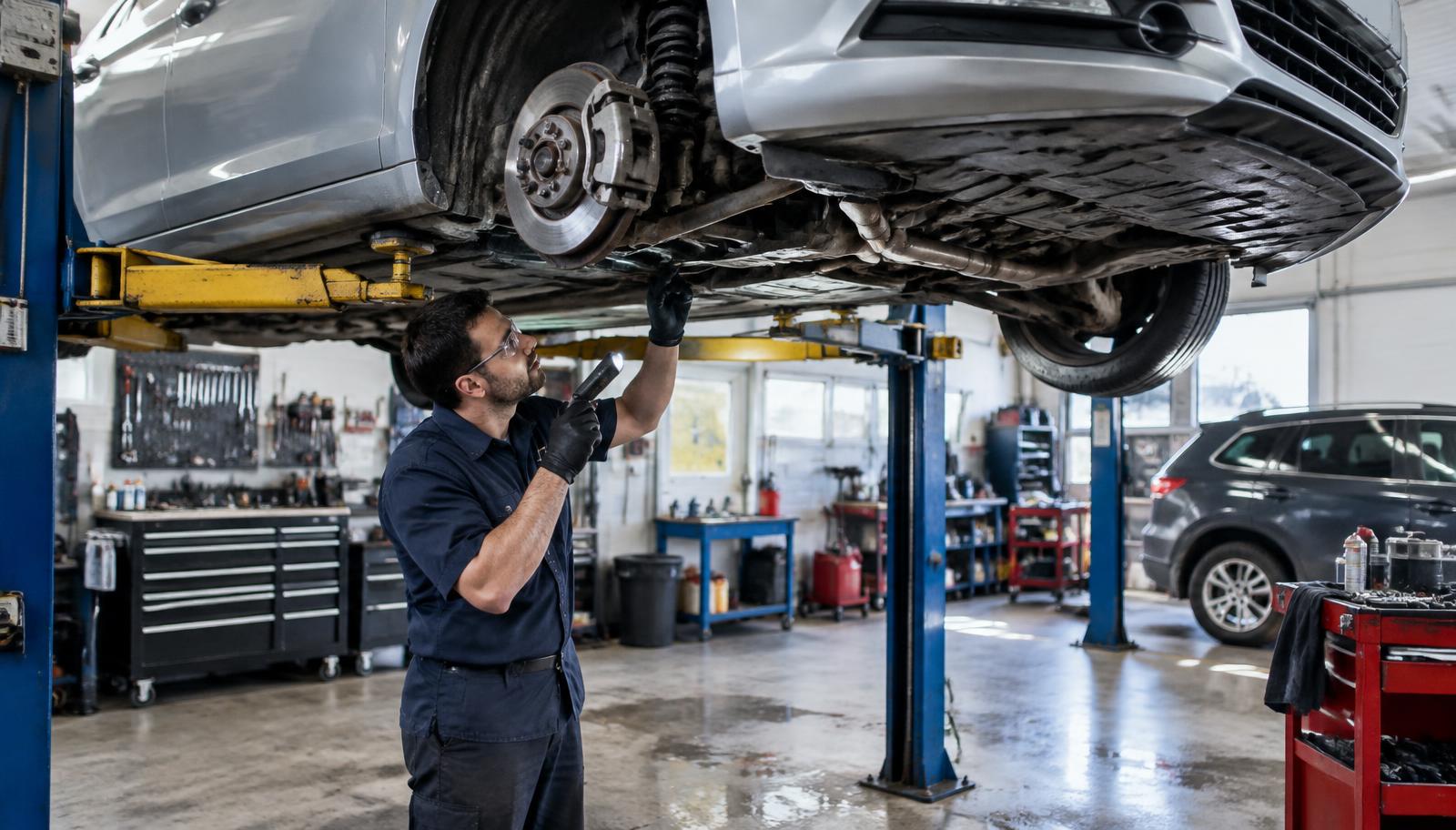
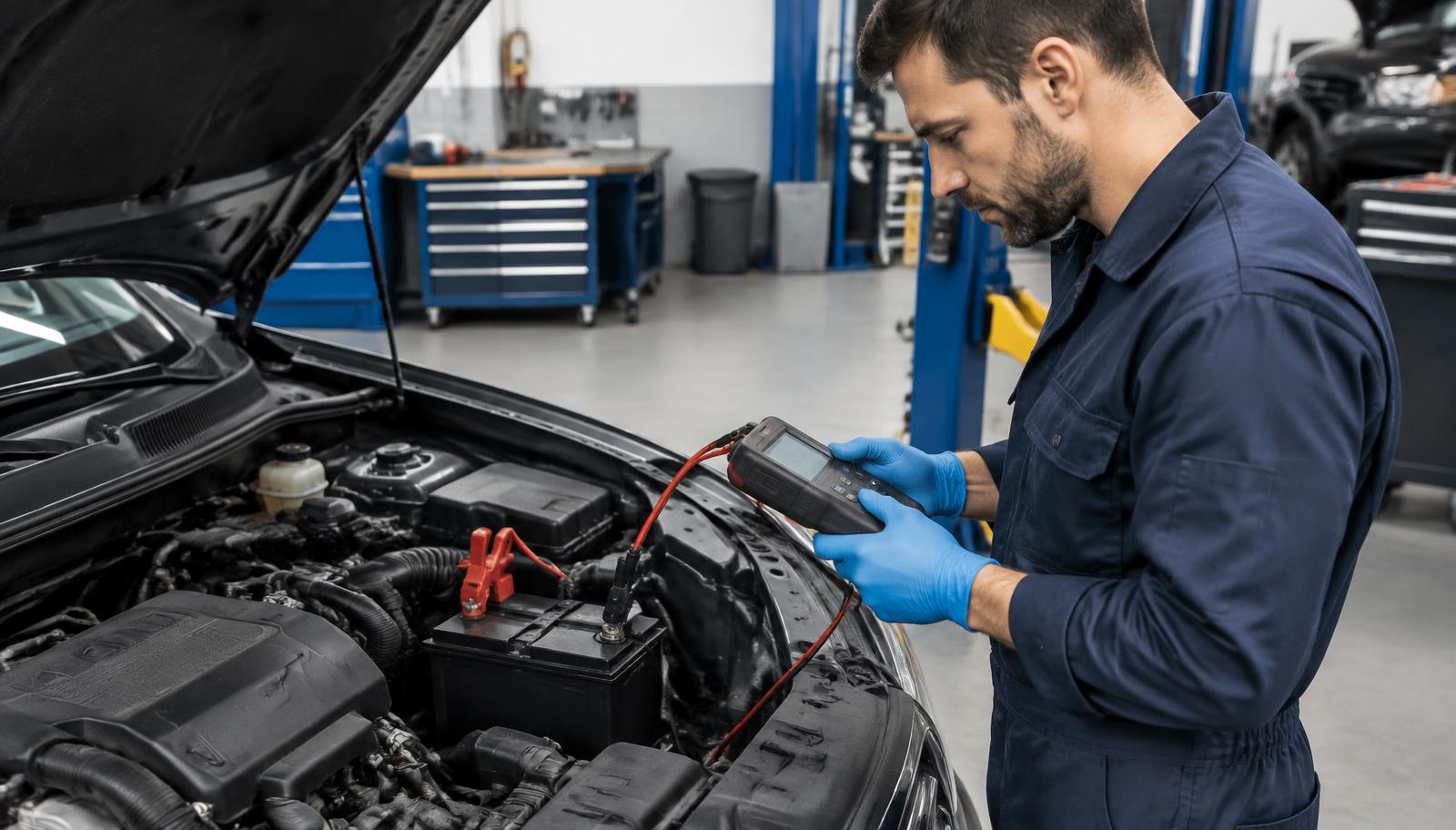
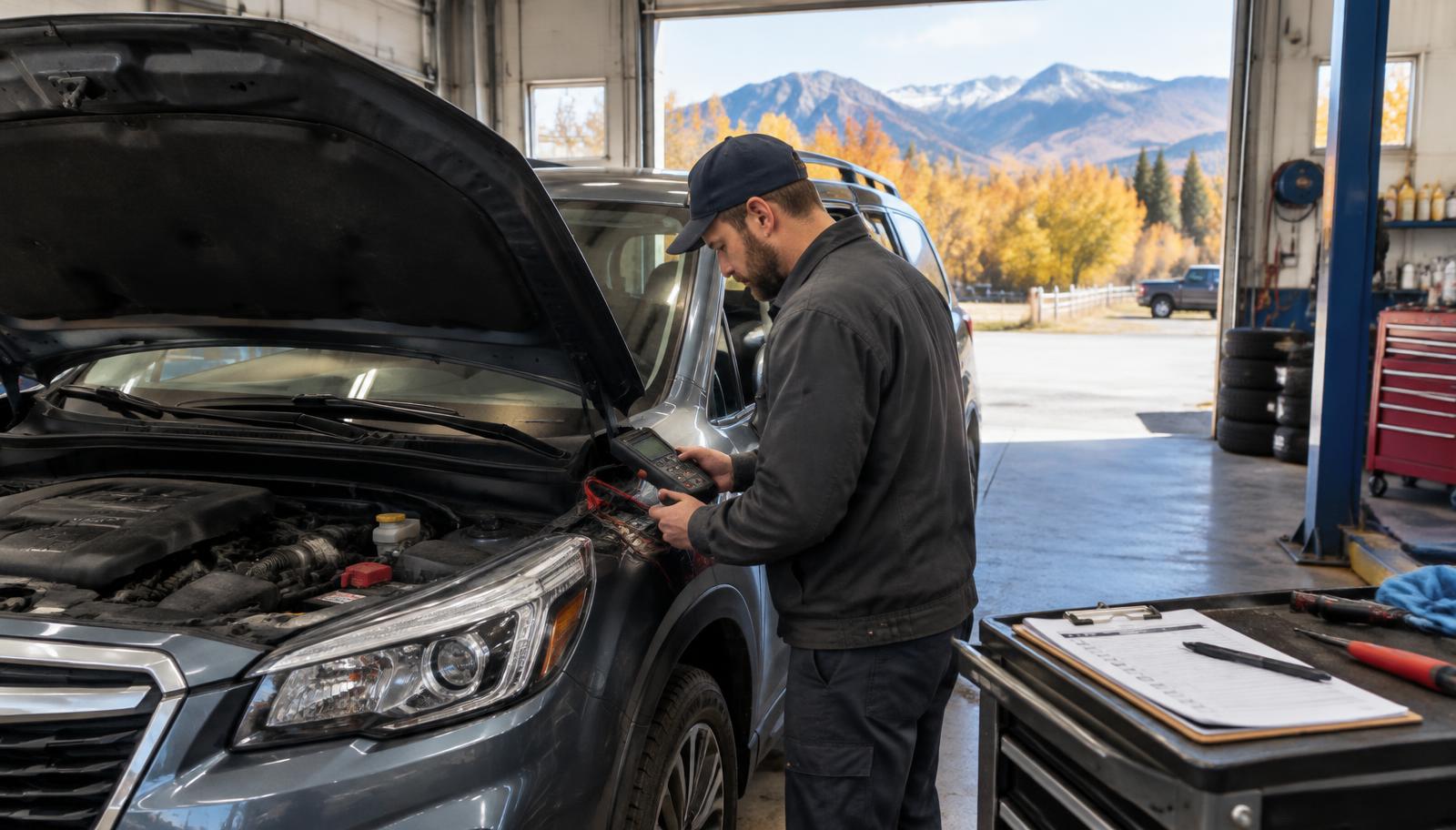
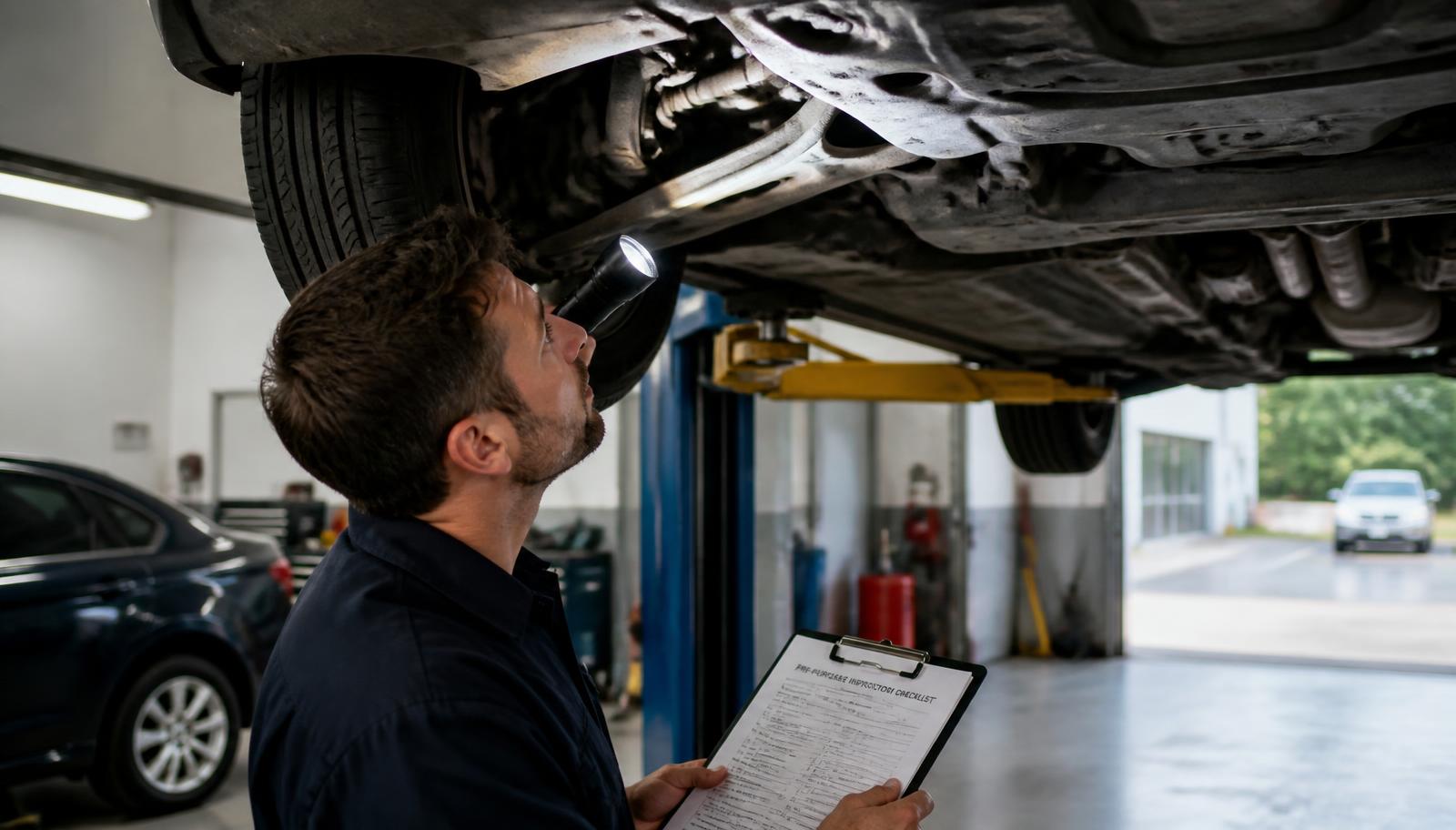
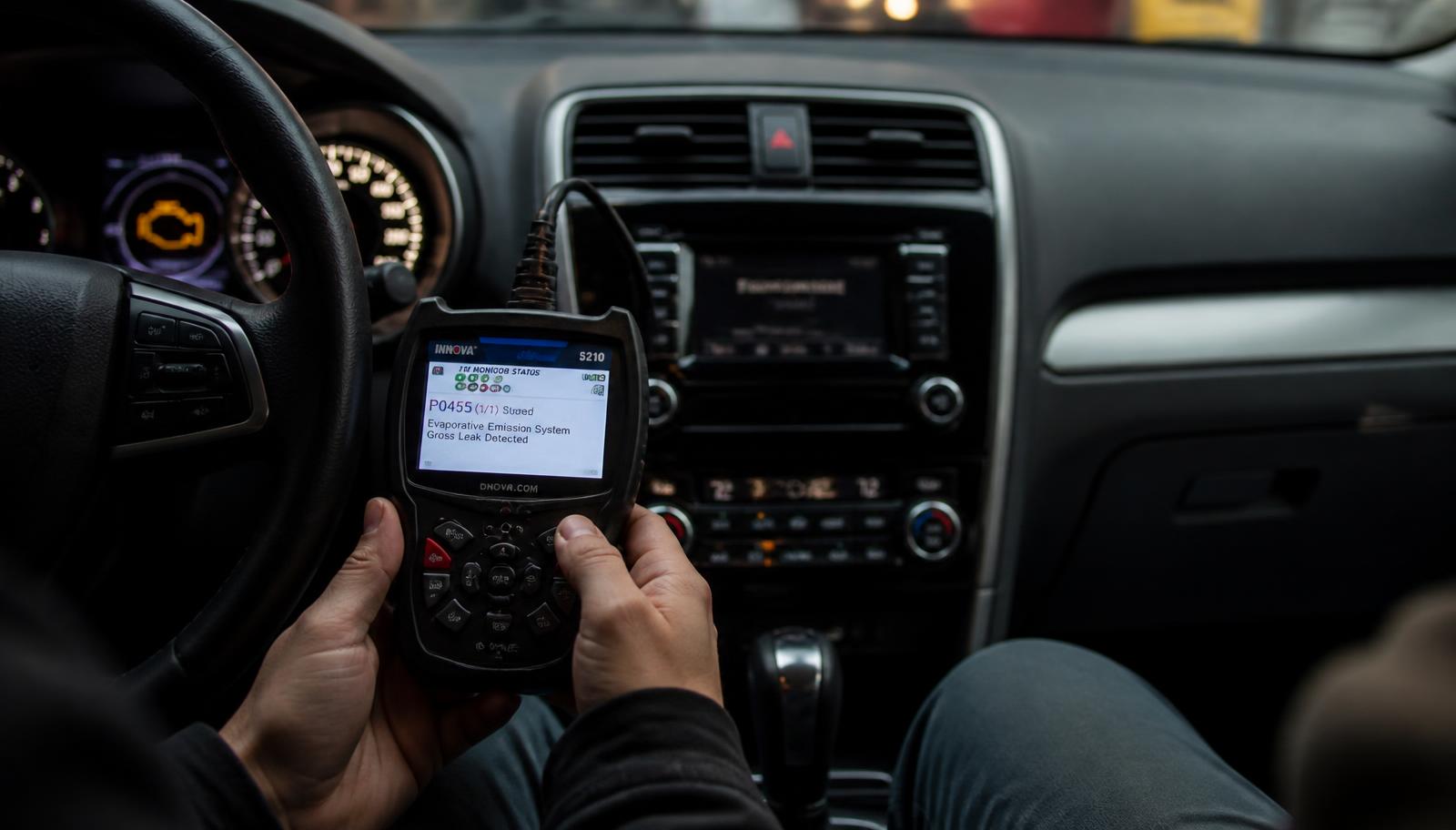
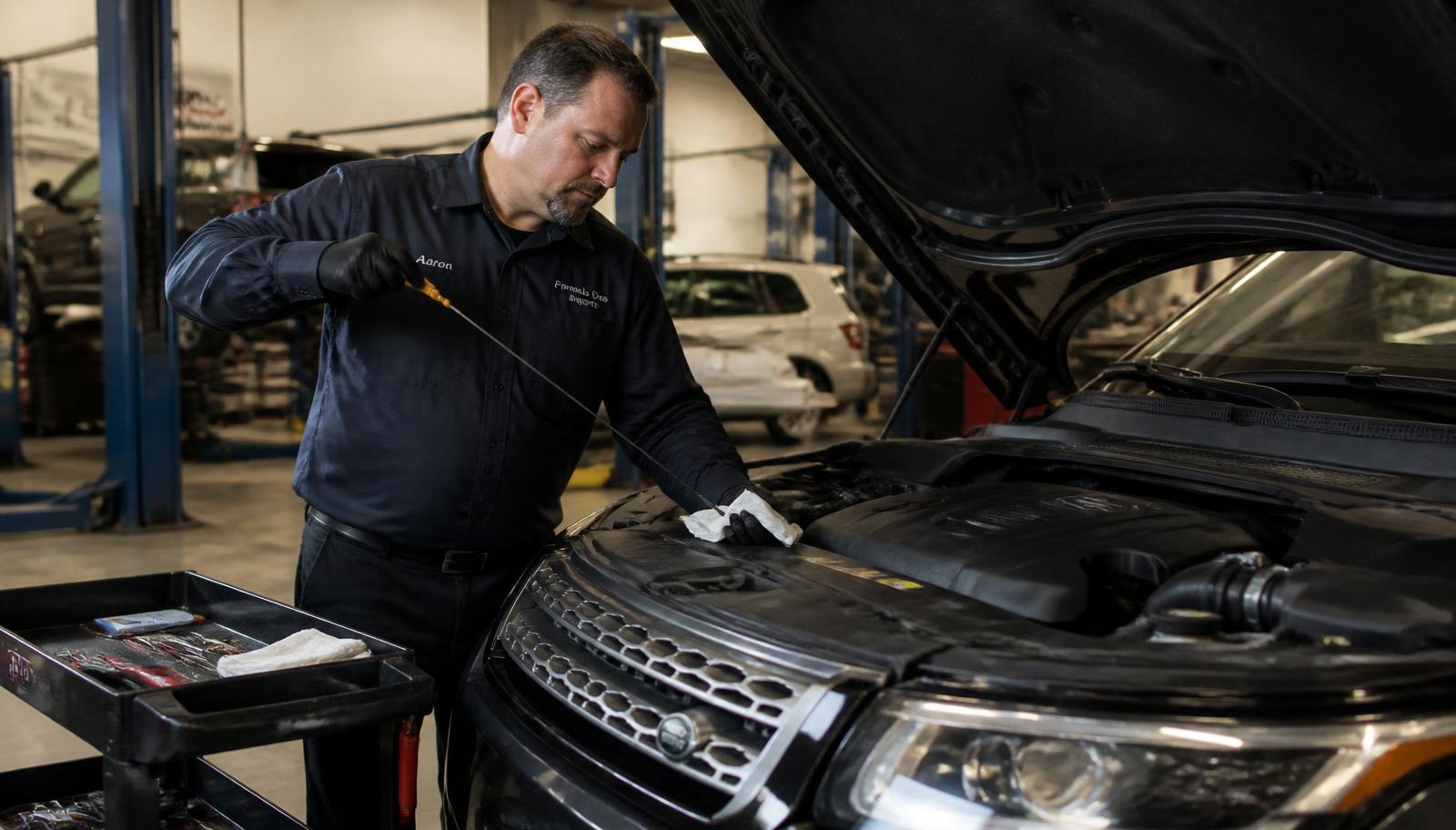
A technician may verify blower operation, measure the air temperature, evaluate engine warm-up, inspect coolant level and condition once safe, look for leaks, and test relevant controls or actuators. The process depends on the vehicle and the symptoms. They may also review trouble codes if an electronic control issue is suspected.
The goal is to identify whether the concern comes from engine cooling, airflow, or temperature control. At 1UP Complete Auto Care, automotive diagnostics and cooling-system auto repair are listed services. When scheduling, describe the heater symptom and confirm the appropriate diagnostic appointment.
How can you prevent some heating and cooling problems?
Follow the manufacturer's coolant maintenance recommendations and address leaks early. Have hoses, visible connections, and coolant condition reviewed during routine maintenance. Test the heater and defroster before the coldest weather arrives, and do not ignore unusual changes in engine temperature.
Preventative service cannot guarantee that a heater actuator or other component will never fail. It can, however, help uncover certain cooling-system issues before they affect both engine protection and cabin heat.
Frequently asked questions about car heaters
Why does my heater take so long to warm up?
Some warm-up time is normal, especially on cold days. Excessively slow warm-up can also reflect thermostat or cooling-system concerns, depending on the vehicle. Ask for an inspection if the behavior changes noticeably.
Can low coolant make the heater blow cold air?
Yes, on many vehicles low coolant can reduce heater-core performance. Because coolant loss may indicate a leak, the underlying cause should be checked rather than simply refilling the reservoir repeatedly.
What if the fan works but the air stays cold?
This points toward a different group of possibilities than a fan that does not run. Coolant temperature, heater-core flow, and temperature-control doors may need evaluation.
Can I drive when the heater is not working?
If the engine temperature is normal and visibility is unaffected, the situation may be less urgent than active overheating. However, do not drive if windows cannot be cleared safely, and stop promptly for an overheating warning.
Book heater-related diagnostics in Fort Collins
A cold cabin does not tell you which part has failed. 1UP Complete Auto Care can help investigate the symptoms through its automotive diagnostics and auto repair services in Fort Collins. Drivers from Wellington, Laporte, Timnath, Windsor, and surrounding areas can contact the shop or call (970) 825-5140 to describe the problem and request an appointment.
Talk to 1UP Complete Auto Care in Fort Collins
Visit our shop at 1305 Duff Dr Unit 4 in Fort Collins or call (970) 825-5140 to schedule service.
Get a Free Quote