Quick answer: A vehicle that will not start may have a weak battery, a charging-system problem, a faulty starter, loose electrical connections, or another issue. Slow cranking, clicking sounds, dim lights, and repeated stalling can offer clues, but testing is the reliable way to identify which system needs attention.
A no-start problem always seems to happen at the wrong moment: before work, outside a store, or on a cold morning in Fort Collins. Many drivers assume the battery must be dead. Sometimes that is true. Other times the battery is only the part that is showing the symptom because it was not being charged properly or because the starter cannot turn the engine.
Before buying a replacement battery, it helps to understand how these three components work together and what a professional automotive diagnostic can reveal.
What is the difference between a battery, alternator, and starter?
The battery stores electrical energy used for starting and for powering some vehicle systems. The starter uses electrical power to turn the engine when you request a start. The alternator generally produces electricity while the engine is running, helping supply vehicle loads and recharge the battery on conventional gasoline vehicles.
If any one of these parts or the connections between them stops working properly, the car may not start or stay running. Modern vehicles also rely on electronic control systems, sensors, security systems, and other parts that can produce similar symptoms. That is why a symptom alone is not enough to select a repair.
Signs that may point toward a weak battery
A weak battery can cause slower-than-normal cranking, dashboard lights that dim as you try to start, repeated clicking, or electrical systems that behave inconsistently. Cold weather can make an already marginal battery more noticeable because the battery provides less available power and the engine may require more effort to turn.
Check whether the battery terminals are visibly loose or corroded, but do not attempt repairs if you are unfamiliar with the vehicle's electrical system. Some modern vehicles require special procedures when disconnecting or replacing the battery. If you repeatedly need a jump-start, arrange testing rather than treating each jump as a permanent fix.
A battery can also be discharged by a light left on, an electrical component drawing power when the car is parked, or a charging fault. In those cases, replacing the battery without identifying the cause may not solve the problem.
Signs that may point toward an alternator or charging problem
A charging-system warning light, headlights that change brightness unexpectedly, repeated battery discharge after driving, or a vehicle that stalls can suggest an alternator or charging problem. However, related wiring, drive-belt, battery, or control-system faults can create similar symptoms.
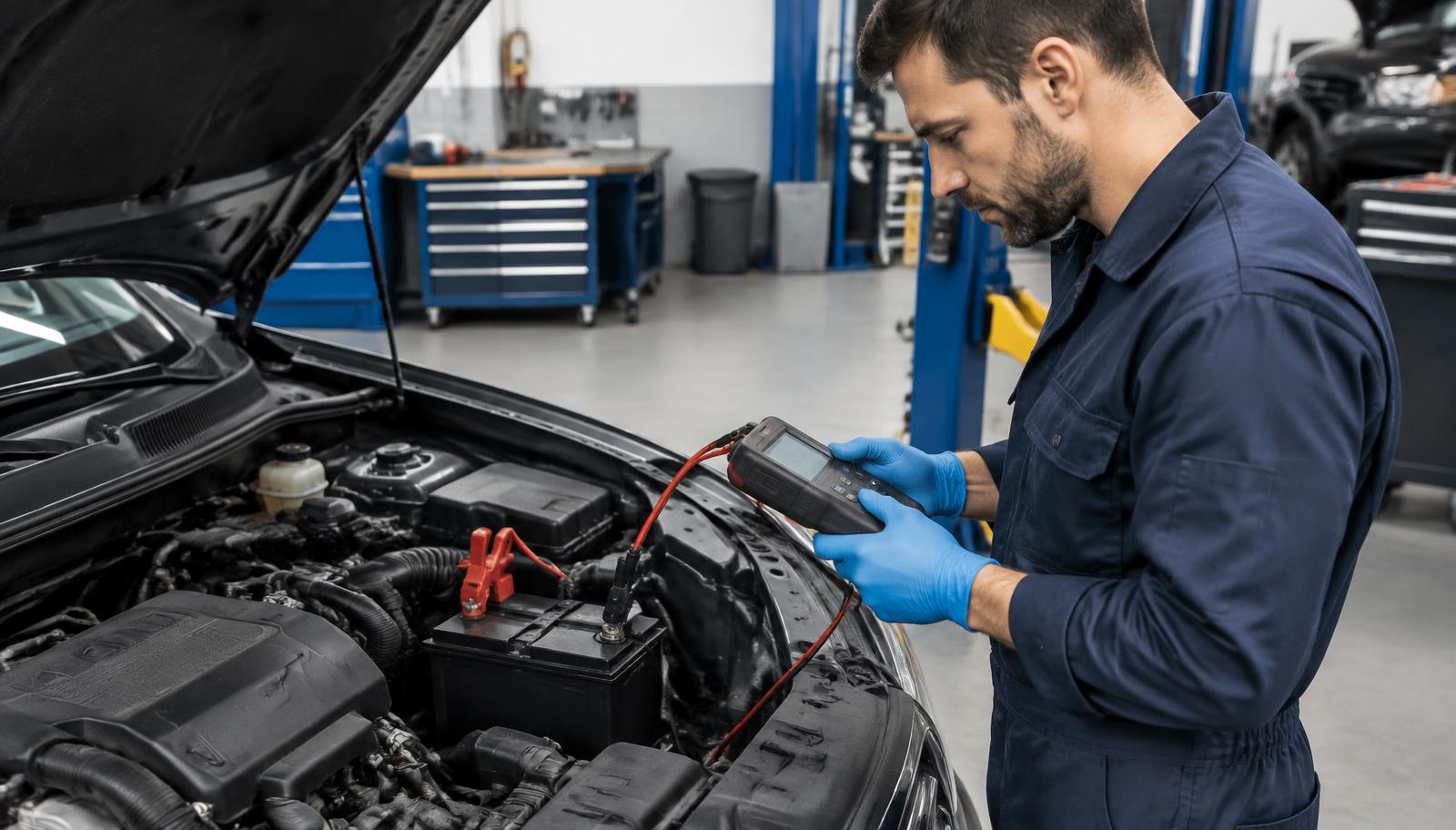
A technician may test charging output and system behavior under appropriate loads. This helps distinguish a weak battery from a charging system that cannot replenish it. A battery replacement may be needed in some cases, but it should not be the automatic answer to every charging warning.
If a charging warning appears while driving, reduce unnecessary electrical loads if safe and follow the owner's manual. The vehicle may eventually stop running, so seek a safe place and assistance rather than continuing a long trip.
Signs that may point toward a starter problem
With a starter-related fault, you might hear a single click or no cranking at all when you turn the key or press the start button. The interior lights may still work, because small electrical loads require much less power than turning the engine. But a weak battery, poor ground, switch issue, or control problem can also produce a click or a silent no-start condition.
There is also a key distinction between no crank and crank but no start. If the engine turns normally but does not fire up, the cause may involve fuel, ignition, air, sensors, or another engine-management concern. That scenario is not automatically a starter failure.
How does a shop diagnose a no-start vehicle?
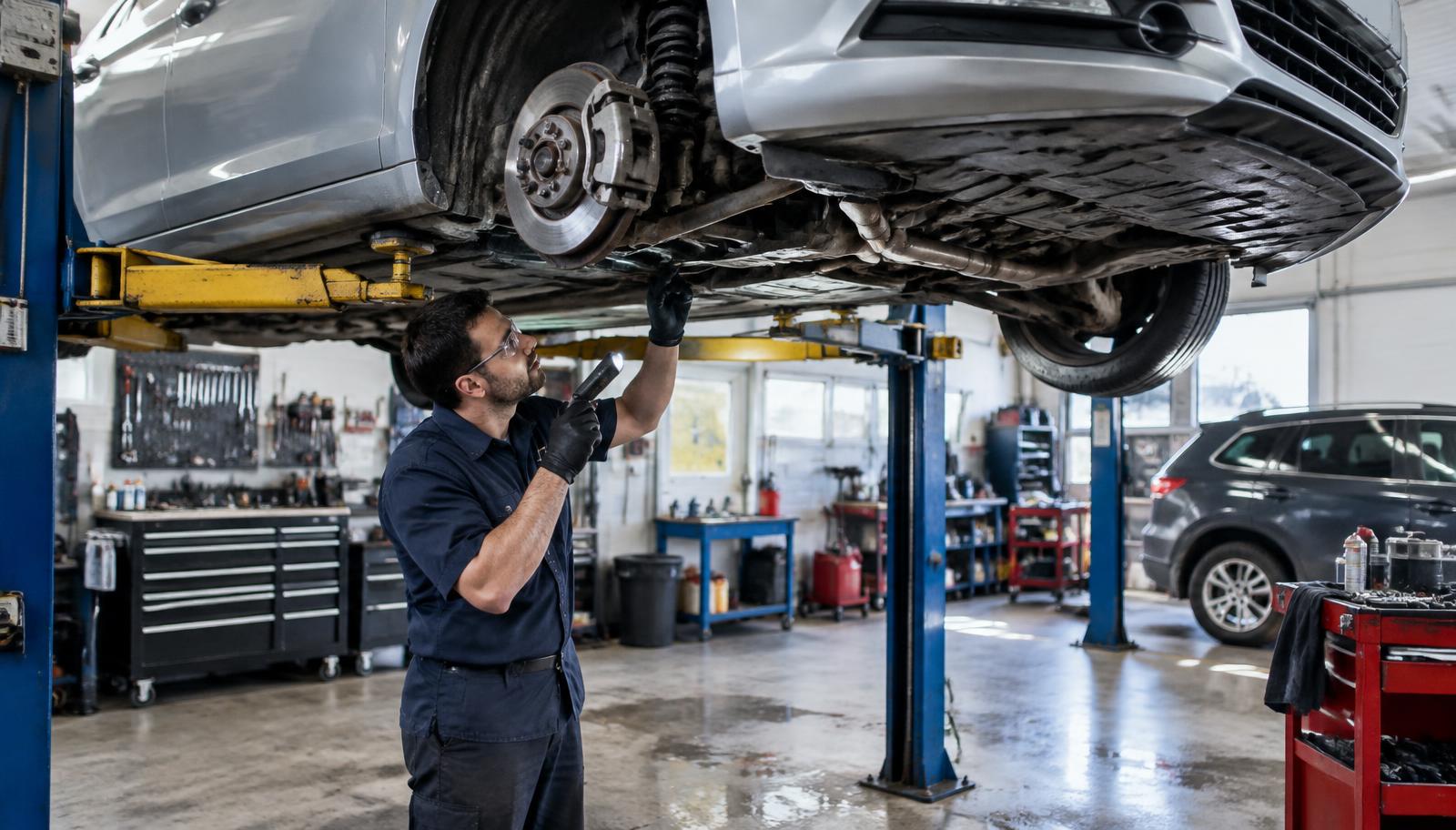
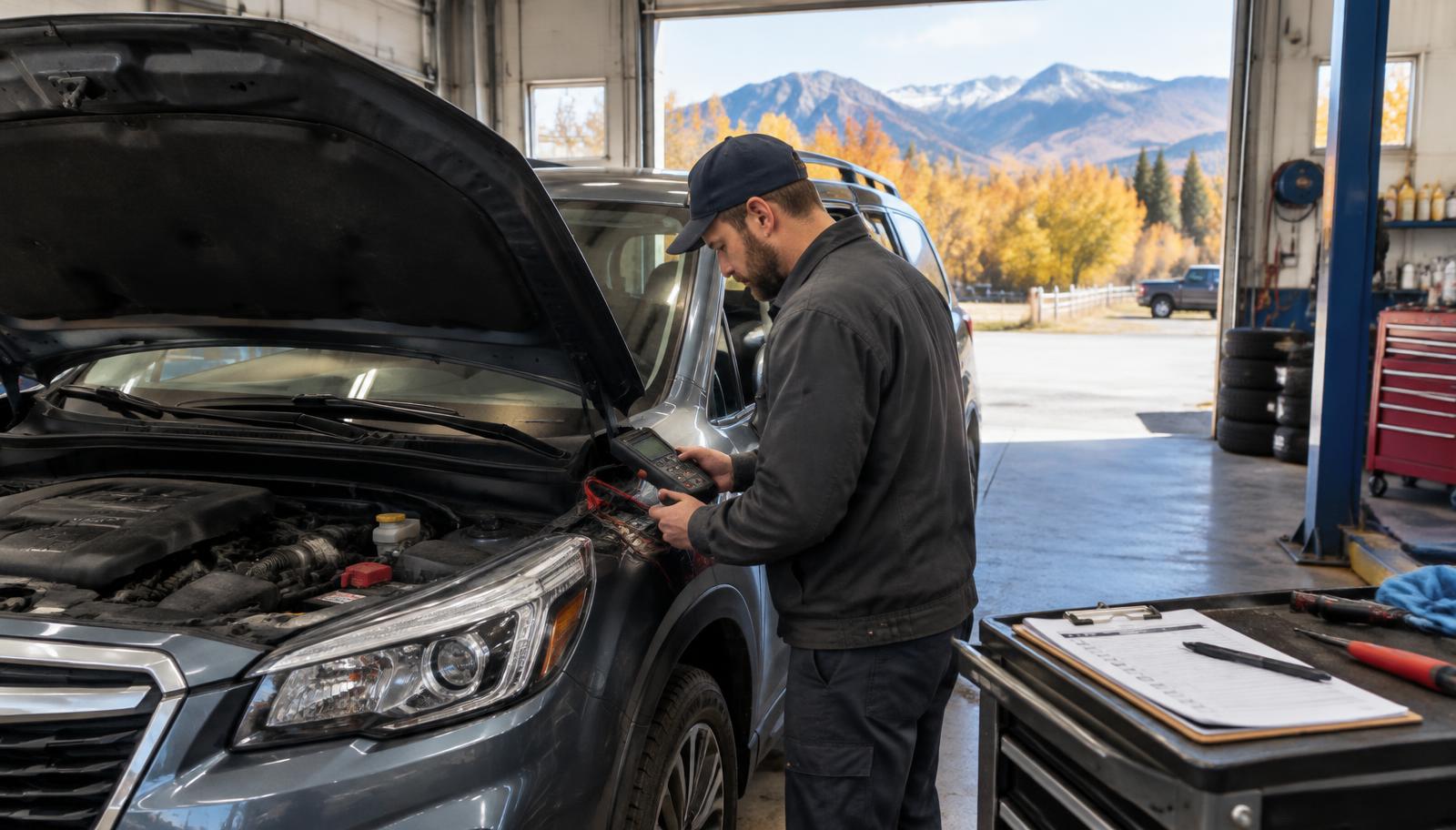
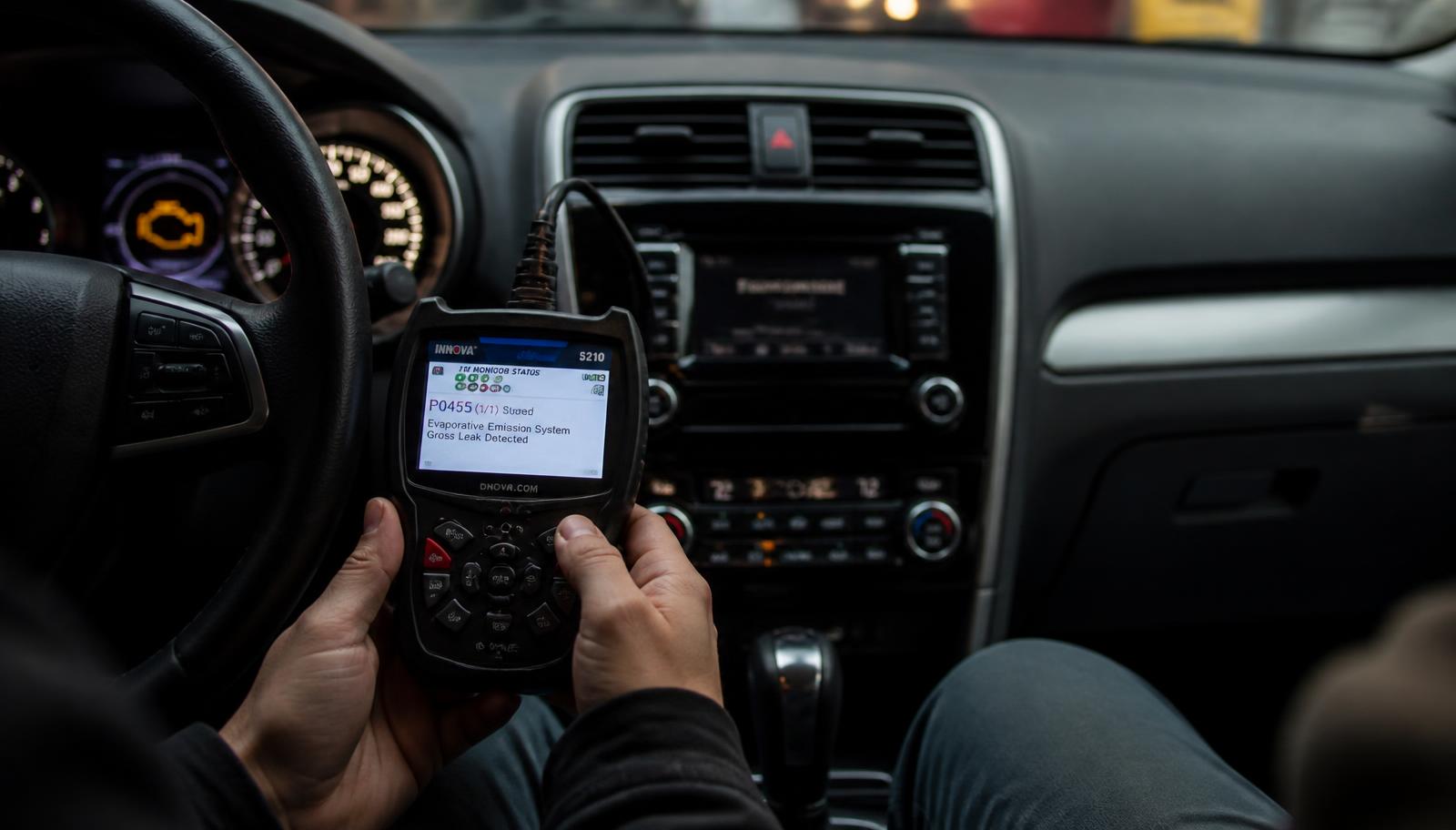
A useful diagnostic process starts by confirming what happens when you attempt to start the car. The technician may assess battery state of charge and condition, check cable and ground connections, evaluate starter operation, and test the charging system if the engine can run. Further testing depends on the fault codes, symptoms, and vehicle design.
Ask the shop to explain which component failed, how it was tested, and whether the problem affected any other system. For example, a weak battery might need replacement, recharging, or investigation of a current draw. A no-start caused by loose or damaged wiring requires a different repair entirely.
At 1UP Complete Auto Care, the published diagnostics services specifically include battery, alternator, and starter testing, along with computerized scans and engine-performance evaluations. That makes an appropriate starting point when the cause is not obvious.
Can cold weather cause a car not to start?
Yes. A low battery can struggle more as temperatures drop, and a cold engine may require additional cranking power. But cold weather does not prove that the battery is the only issue. A marginal starter, old connections, or another fault may become noticeable at the same time.
If your car struggles during Fort Collins' colder mornings, arrange a battery and charging inspection before a complete no-start event. Keeping up with maintenance, driving the vehicle as recommended, and addressing recurring electrical issues can help reduce avoidable problems.
What should you do when the car will not start?
First, stay safe. If you are in an unsafe location, contact roadside assistance. Check for basic clues: whether the dashboard illuminates, whether the engine turns, and whether warning messages appear. Avoid repeated lengthy cranking attempts, which can strain components or drain the battery further.
A jump-start may get some vehicles running when the battery is discharged, but it must be performed according to the vehicle manufacturer's instructions. If you are unsure, use roadside assistance. Even after a successful jump, repeated problems call for a proper diagnostic evaluation.
Frequently asked questions about a car that won't start
### Can a bad alternator drain a new battery?
Yes. A new battery can lose its charge if the charging system is not working correctly. It is wise to test the system instead of replacing batteries repeatedly.
If the lights turn on, does that mean my battery is good?
No. The energy needed for lights is different from the power required to crank an engine. Battery testing can help determine whether enough starting capacity is available.
Does one click mean I need a new starter?
Not always. A click can also result from a weak battery, poor electrical connection, or related fault. Diagnosis is needed before ordering a starter.
Should I replace a battery before winter even if it works?
Not automatically. Age, condition, symptoms, test results, and manufacturer guidance are better reasons for deciding whether replacement is warranted.
Schedule electrical diagnostics in Fort Collins
If your car starts slowly, repeatedly needs a jump, or refuses to crank, get the cause checked before guessing at parts. 1UP Complete Auto Care provides battery, alternator, and starter diagnostics from its Fort Collins shop for drivers in the surrounding Northern Colorado area. Contact 1UP or call (970) 825-5140 to describe what your vehicle is doing.
Talk to 1UP Complete Auto Care in Fort Collins
Visit our shop at 1305 Duff Dr Unit 4 in Fort Collins or call (970) 825-5140 to schedule service.
Get a Free Quote