
Quick answer: The right oil change interval depends on your vehicle, oil specification, driving habits, and the maintenance schedule in your owner's manual. Some vehicles use an oil-life monitor rather than a fixed mileage rule. If you mostly make short trips, spend time in stop-and-go traffic, or drive in demanding conditions, you may need maintenance sooner than a driver making steady highway trips.
Whether you commute through Fort Collins, head toward the foothills on weekends, or take short drives around town, engine oil has a tough job. It lubricates moving parts, helps control heat, and carries contaminants toward the filter. The goal is not to change oil as often as possible. It is to change the correct oil and filter when your particular engine needs them.
Why oil change timing is different for every vehicle
A single mileage number cannot cover every engine. Vehicle manufacturers specify an oil viscosity and performance standard, and often provide separate schedules for normal and severe operating conditions. Newer models may calculate remaining oil life using driving and engine data. That percentage is useful, but it does not replace checking the oil level or following the owner's manual.
Oil change intervals are affected by several variables:
- Engine and model year: Different designs, including turbocharged engines, can have different oil requirements.
- Oil specification: Full synthetic, synthetic blend, and conventional products are not interchangeable unless the vehicle manufacturer allows them.
- Driving pattern: Frequent short trips can prevent the engine from reaching and maintaining normal operating temperature.
- Load and conditions: Towing, heavy loads, dusty roads, and repeated idling may affect the maintenance schedule.
- Time as well as miles: Low-mileage vehicles still need service based on the manufacturer's time limit.
For a simple starting point, check your owner's manual or the vehicle's maintenance reminder, then review your actual driving pattern with a technician. The general maintenance guidance on 1UP's website mentions service around 5,000 to 7,500 miles or six months for many vehicles, but your model-specific schedule should determine your oil interval.
Does driving around Northern Colorado count as severe service?
Not automatically. Living in Colorado does not mean every car needs the shortest possible interval. However, some common trips around Fort Collins can fall under a manufacturer's severe-use definition. Examples may include repeated journeys of only a few miles, extensive idling, dusty travel, and frequent towing. The exact definition varies by manufacturer.
Imagine two vehicles with the same mileage. One travels long stretches between Fort Collins and Loveland after warming up fully. The other makes several very short drives each day, with frequent cold starts and stops. Their maintenance needs may differ even though the odometers show the same number.
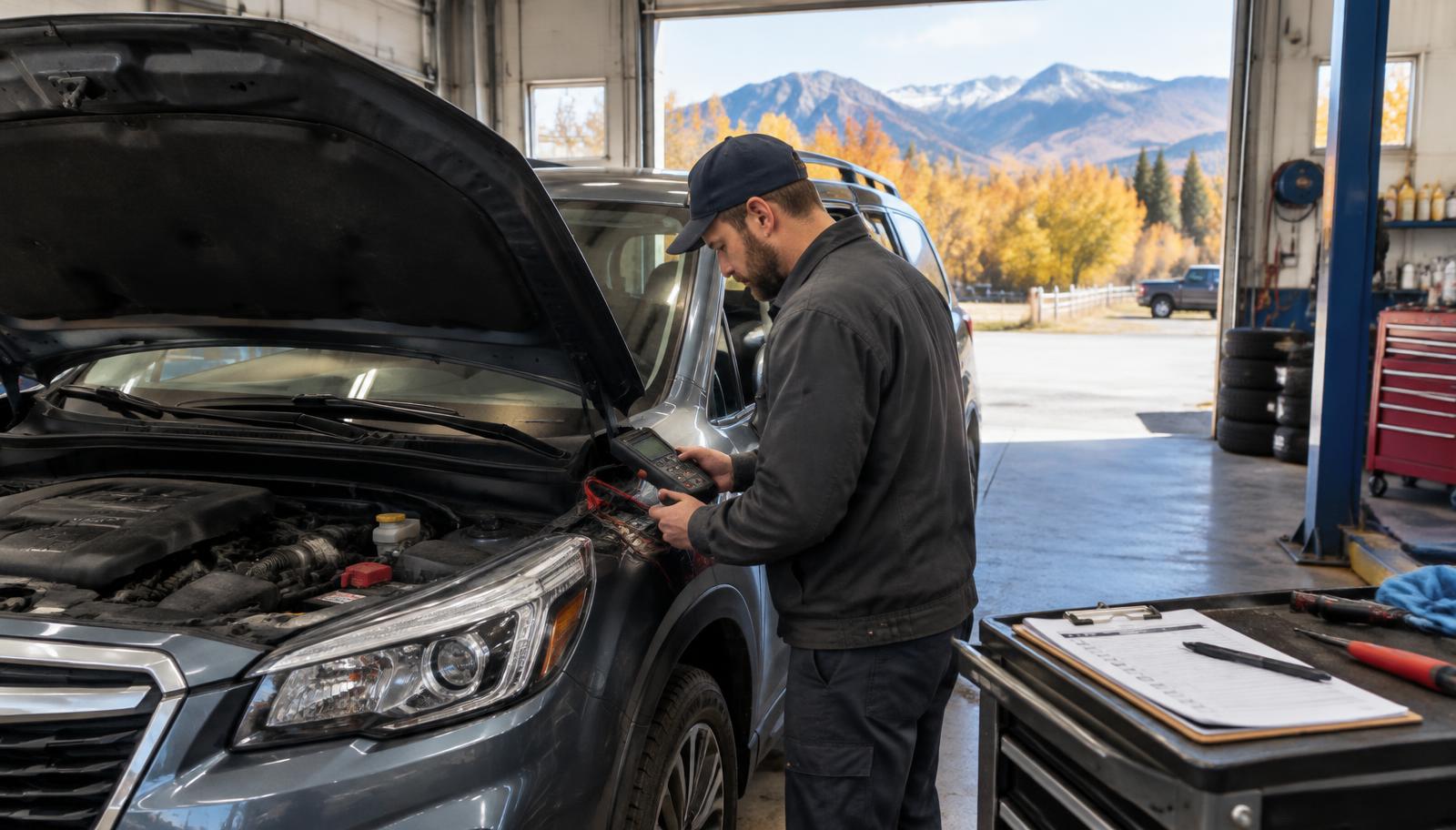
If you drive toward mountain trailheads, ask about the effects of long climbs, added cargo, and engine load. If you primarily drive around Colorado State University or across town, ask whether short-trip conditions matter for your make and model. These conversations lead to better decisions than relying on a generic oil-change sticker.
What happens if you wait too long to change your oil?
Over time, oil can become contaminated and its protective properties can decline. An overextended interval may contribute to sludge, increased engine wear, and performance concerns. A neglected or leaking engine can also operate with too little oil. Low oil level is an immediate concern because adequate lubrication is essential.
There is an important difference between an oil-change reminder and a red oil-pressure warning light. A maintenance reminder usually indicates scheduled service is due. An oil-pressure warning can indicate a serious lubrication problem. If the oil-pressure warning appears while driving, pull over safely, turn the engine off, and arrange professional assistance. Continuing to run the engine may cause extensive damage.
A burning oil smell, visible leak, unusual engine noise, or repeated need to add oil deserves inspection even if the next scheduled oil change is months away. Those symptoms may point to a separate issue, not simply old oil.
What should a proper oil change appointment include?
At minimum, an oil service should use the oil type and quantity specified for the vehicle and replace the filter as required. A technician should also watch for leaks, inspect the drain plug and sealing surfaces, and verify the final oil level. Some shops perform additional courtesy checks, but the exact scope should be confirmed when scheduling.
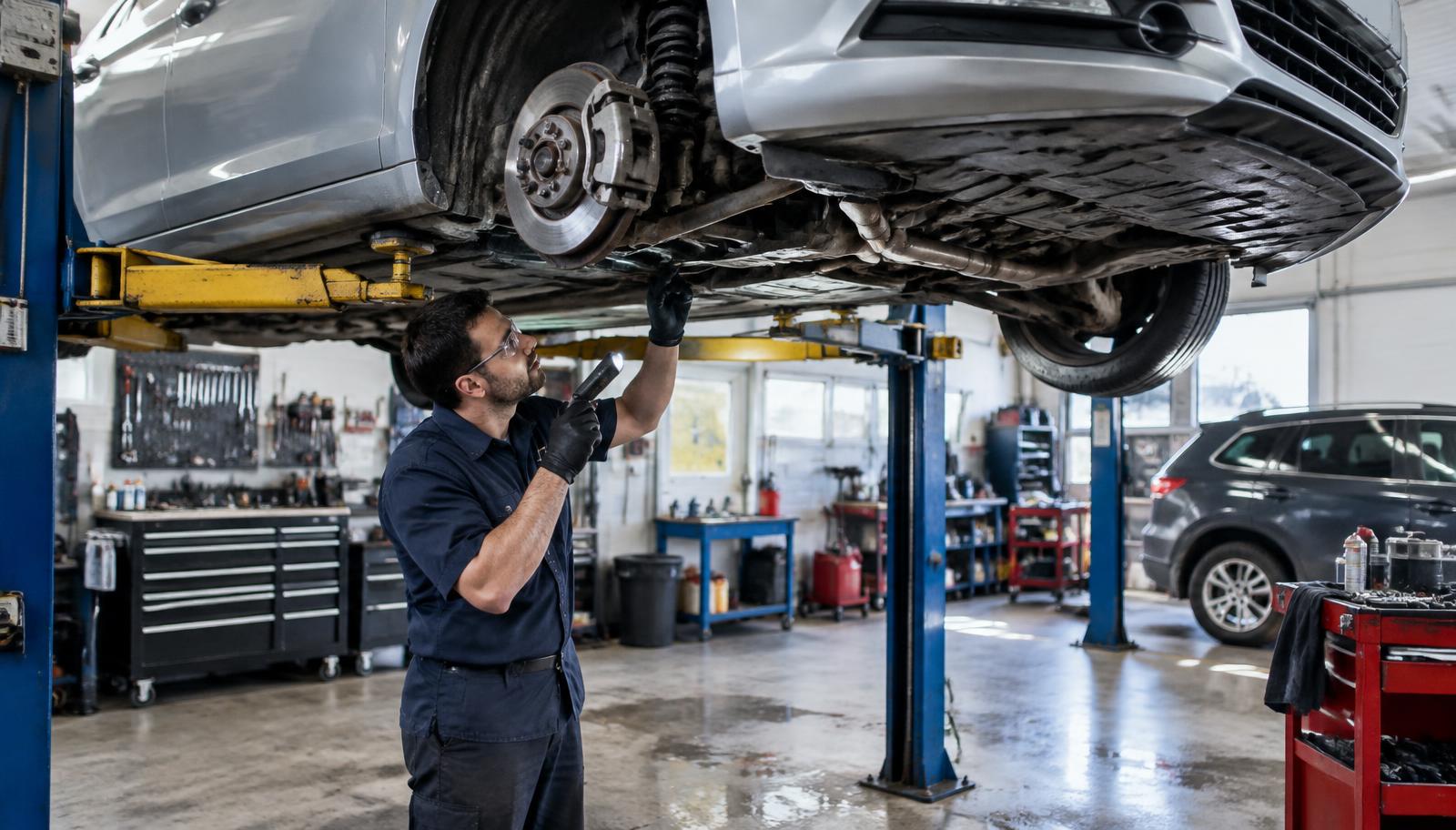
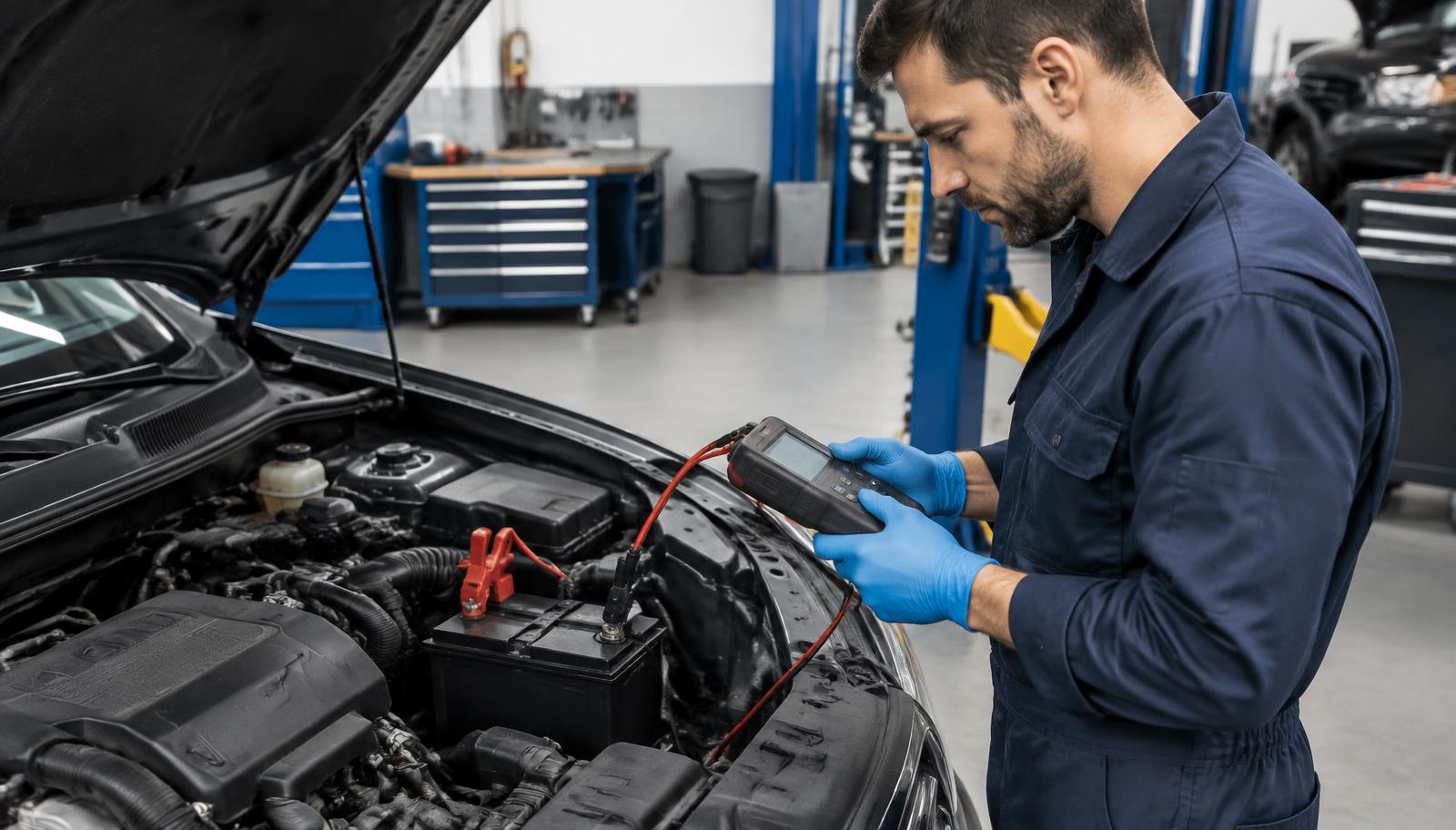
At 1UP Complete Auto Care's vehicle maintenance service, oil and filter changes are among the listed services, along with fluid checks, tire inspections, battery testing, and other routine maintenance. If you want an inspection beyond the oil service, ask what it includes before the appointment.
Save your service records. They help track when the oil was changed, which specification was used, and whether a recurring leak or consumption issue has been noticed. Good records are also useful when reviewing a maintenance history for a vehicle you plan to keep or sell.
Is an oil change enough to keep your car reliable?
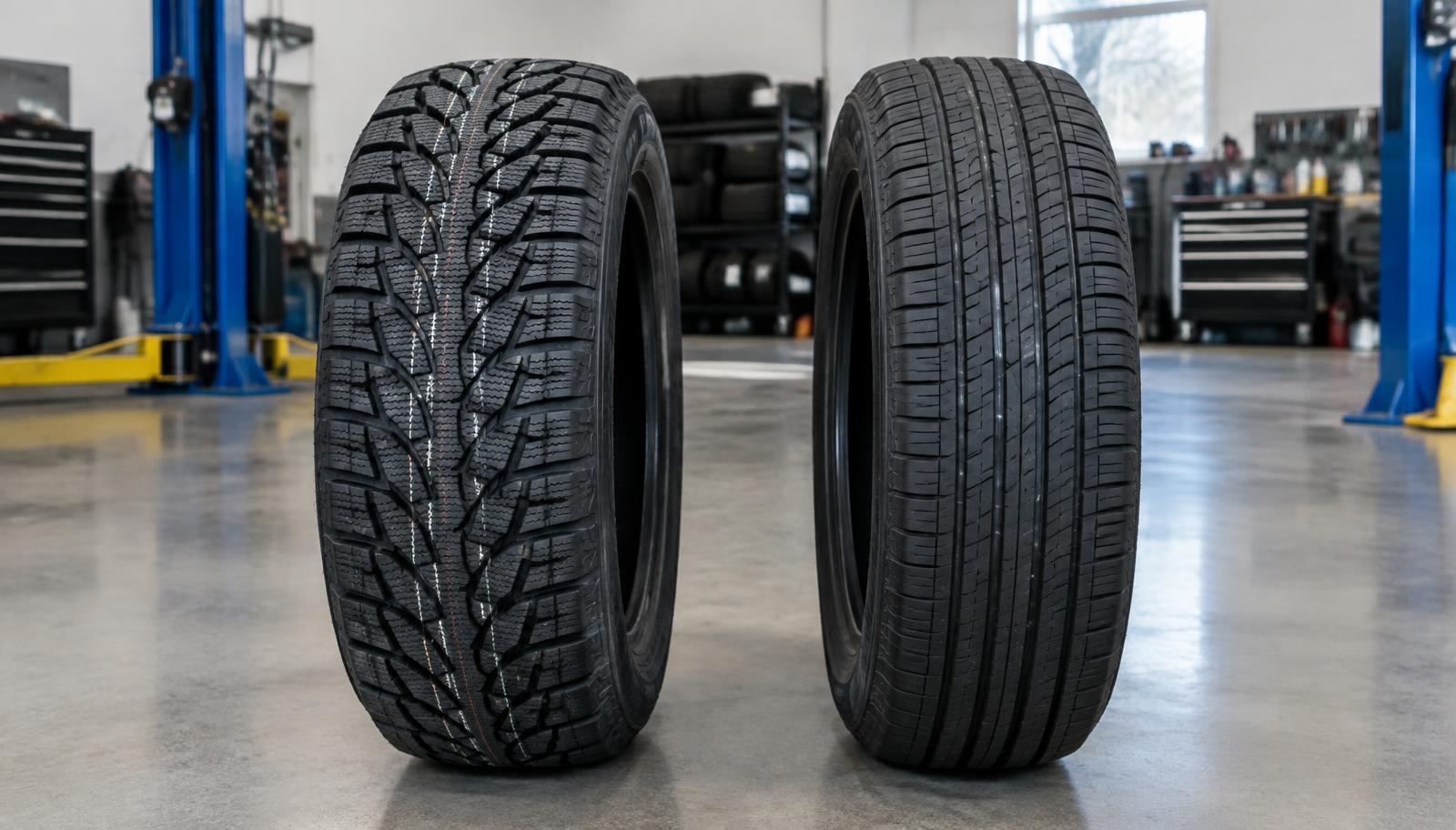
No. Engine oil is one part of a complete maintenance plan. Tires, brakes, coolant, filters, belts, hoses, and batteries need their own inspections and schedules. A vehicle can have fresh oil and still have unsafe tire tread, weak charging performance, or a coolant leak.
Instead of treating each service as an isolated chore, ask for a maintenance plan based on mileage, age, driving needs, and the manufacturer's recommendations. That helps you prioritize work and anticipate future expenses without replacing parts simply because a generic checklist says to.
Frequently asked questions about oil changes in Fort Collins
Do I need an oil change every 3,000 miles?
Not necessarily. A 3,000-mile rule is not universal for modern vehicles. Use the interval and oil specification provided by your manufacturer, including any severe-service guidance applicable to your driving.
Can I rely only on my oil-life monitor?
Use it as the vehicle manufacturer intends, but still check oil level as directed in the owner's manual. An oil-life monitor does not necessarily detect low oil level, an external leak, or every mechanical problem.
Should I change oil before a long road trip?
Check how close you are to the recommended interval. If service is due during the trip, schedule it before leaving. If the oil service is not due, checking the level and overall vehicle condition may be more useful than changing oil early without a reason.
What if I do not know which oil my car needs?
Check the owner's manual or ask a technician to confirm the manufacturer-specified viscosity, performance standard, and filter. The correct specification matters more than choosing a product based only on a brand name.
Schedule vehicle maintenance in Fort Collins
The best oil change schedule is one built around your car, not a universal rule. If you are unsure when service is due, 1UP Complete Auto Care can help review your maintenance needs and explain the next steps. The Fort Collins shop also serves drivers from nearby Wellington, Laporte, Timnath, Windsor, and Masonville. Request vehicle maintenance or call (970) 825-5140 to discuss an appointment.
Talk to 1UP Complete Auto Care in Fort Collins
Visit our shop at 1305 Duff Dr Unit 4 in Fort Collins or call (970) 825-5140 to schedule service.
Get a Free Quote