You walk outside, look at your vehicle, and notice one tire sitting lower than the others. Or maybe your tire pressure warning keeps returning even after you add air. Now comes the question: can the tire be repaired, or do you need to replace it? The answer depends on the location and extent of the damage. A professional tire inspection can help determine the safest option.
When Can a Tire Often Be Repaired?
Some tire punctures can be repaired when the damage is limited and located in a repairable area of the tire.
- Nails
- Screws
- Small pieces of road debris
- Slow leaks
- Some valve stem issues
The condition of the entire tire matters as well. A technician should evaluate the puncture along with tread condition, sidewall condition, tire pressure, and signs of additional damage. That is why simply finding the nail does not tell the whole story.
When Might a Tire Need Replacement?
Not every damaged tire can or should be repaired.
Sidewall Damage
The sidewall flexes constantly as the vehicle moves. Damage in this area may make a safe repair impossible.
Significant Tread Wear
Even if a puncture itself appears repairable, replacing the tire may make more sense if the tread is already heavily worn.
Large or Severe Damage
A large puncture, cut, or other substantial damage can make replacement the safer choice.
Previous or Multiple Repairs
The tire's overall condition and repair history can also affect whether another repair is appropriate. A proper inspection allows a technician to recommend a solution based on the actual tire rather than making assumptions.
What About a Slow Tire Leak?
Slow leaks can be frustrating because they are easy to ignore. You add air, the tire looks fine for several days, and then the pressure drops again. Possible causes can include a puncture, valve stem issue, sealing problem, or other tire or wheel concern. If you repeatedly have to refill the same tire, schedule an inspection instead of continuing to add air indefinitely. Finding the source early may give you more options for addressing the problem.
Why Tire Pressure Matters
Properly inflated tires play an important role in vehicle handling, tire wear, and safe driving. If one tire repeatedly loses pressure, the vehicle may not handle the same way it normally does. Driving for an extended period on a significantly underinflated tire can also create additional damage. Your tire pressure monitoring system is useful, but it does not replace an inspection when a problem keeps returning.
What Happens During a Tire Inspection?
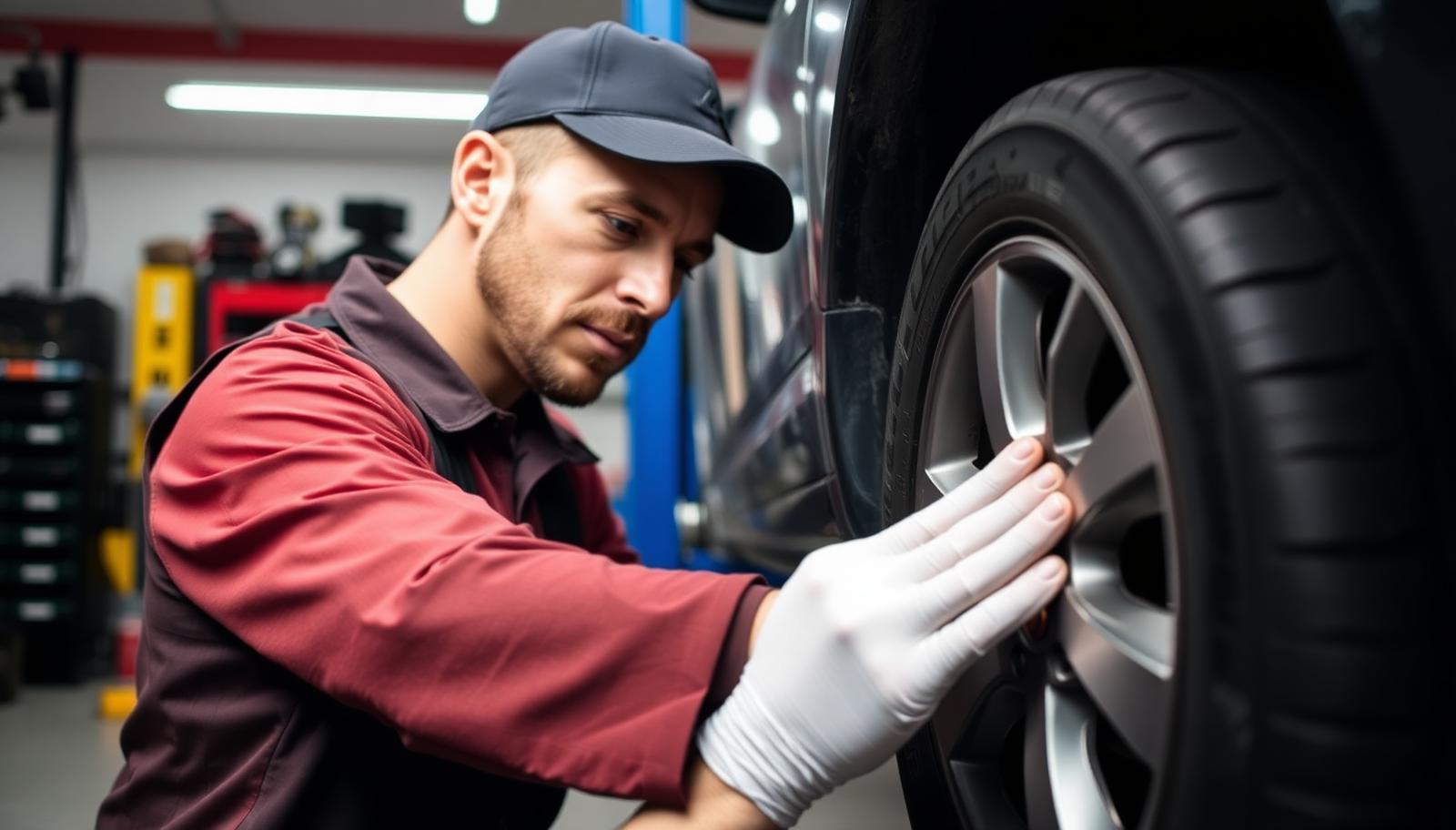
At 1UP Complete Auto Care, tire services include puncture inspections and repairs, slow-leak diagnosis, valve stem inspection and replacement when needed, tire-pressure checks, tread and sidewall inspections, and recommendations for replacement when a repair is not considered safe. The important part is determining why the tire is losing air before deciding what comes next.
Repair First or Automatically Replace?
Replacing a tire is not automatically necessary every time you find a puncture. At the same time, attempting to repair a tire that is not safe to repair is not worth the risk. The right decision comes from looking at the location of the damage, severity, remaining tread, sidewall condition, and overall tire condition.
Get Your Tire Checked in Fort Collins
If your tire keeps losing pressure, has picked up a nail, or shows visible damage, have it inspected before the problem gets worse. 1UP Complete Auto Care offers tire repair and replacement services from its Fort Collins shop for drivers throughout the greater Fort Collins area. Whether the safest solution is a repair or replacement, the goal is to give you a clear answer based on the condition of your tire.
Get Your Tire Checked in Fort Collins
If your tire keeps losing pressure or shows visible damage, contact 1UP Complete Auto Care to schedule a tire inspection in Fort Collins and get a clear answer on repair versus replacement.
Get a Free Quote