Quick answer: A car that shakes at highway speeds may have an out-of-balance wheel, tire damage, a bent wheel, worn steering or suspension parts, or another mechanical issue. The speed at which the vibration occurs and where you feel it can help narrow the possibilities, but an inspection is needed to determine the cause.
You may feel it on I-25, along US-287, or on a longer drive outside Fort Collins: the car feels smooth at lower speeds, then the steering wheel starts trembling. Sometimes the vibration is in the seat or floor rather than the wheel. It is tempting to call it "just an alignment," but several different problems can feel similar from the driver's seat.
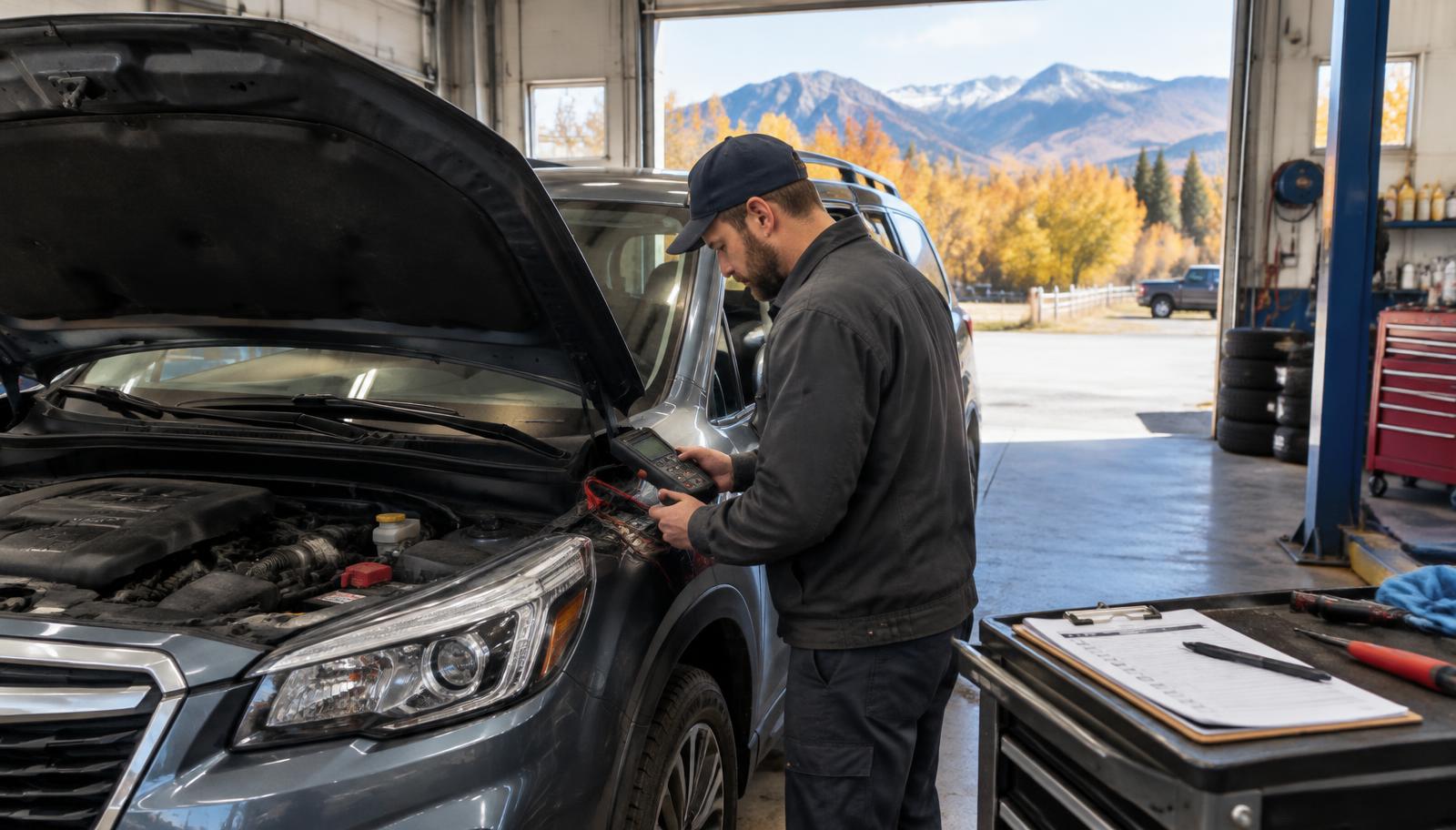
Understanding the pattern helps you describe the problem when you schedule automotive diagnostics in Fort Collins. It does not mean you should keep driving a vehicle that feels unsafe.
What does the location of the vibration tell you?
Vibration through the steering wheel can point toward a concern at the front wheels, tires, or steering system, although the symptom is not specific enough for a diagnosis. Shaking felt mainly through the seat or floor can come from rear-wheel or driveline sources. Some vehicle designs transmit vibration differently, so these are clues, not rules.
Pay attention to when the shake occurs. Does it begin around a certain speed? Does it change during acceleration? Does it get stronger when braking? Did it begin after hitting a pothole or installing a new set of tires? Clear notes about the pattern can save time during an inspection.
If the vibration suddenly becomes severe, you hear a loud thump, the vehicle pulls unpredictably, or a tire appears damaged, reduce speed carefully and stop somewhere safe. Arrange assistance rather than trying to drive through a potential tire or wheel failure.
Common causes of shaking at highway speeds
### Wheel balance problems
Tires and wheels do not always have perfectly even weight distribution. Balancing helps a tire-and-wheel assembly spin smoothly. If a balancing weight is lost or a tire is replaced without proper balancing, shaking may become noticeable within a particular speed range. A technician can check wheel balance and inspect for other damage at the same time.
### Uneven, damaged, or separated tires
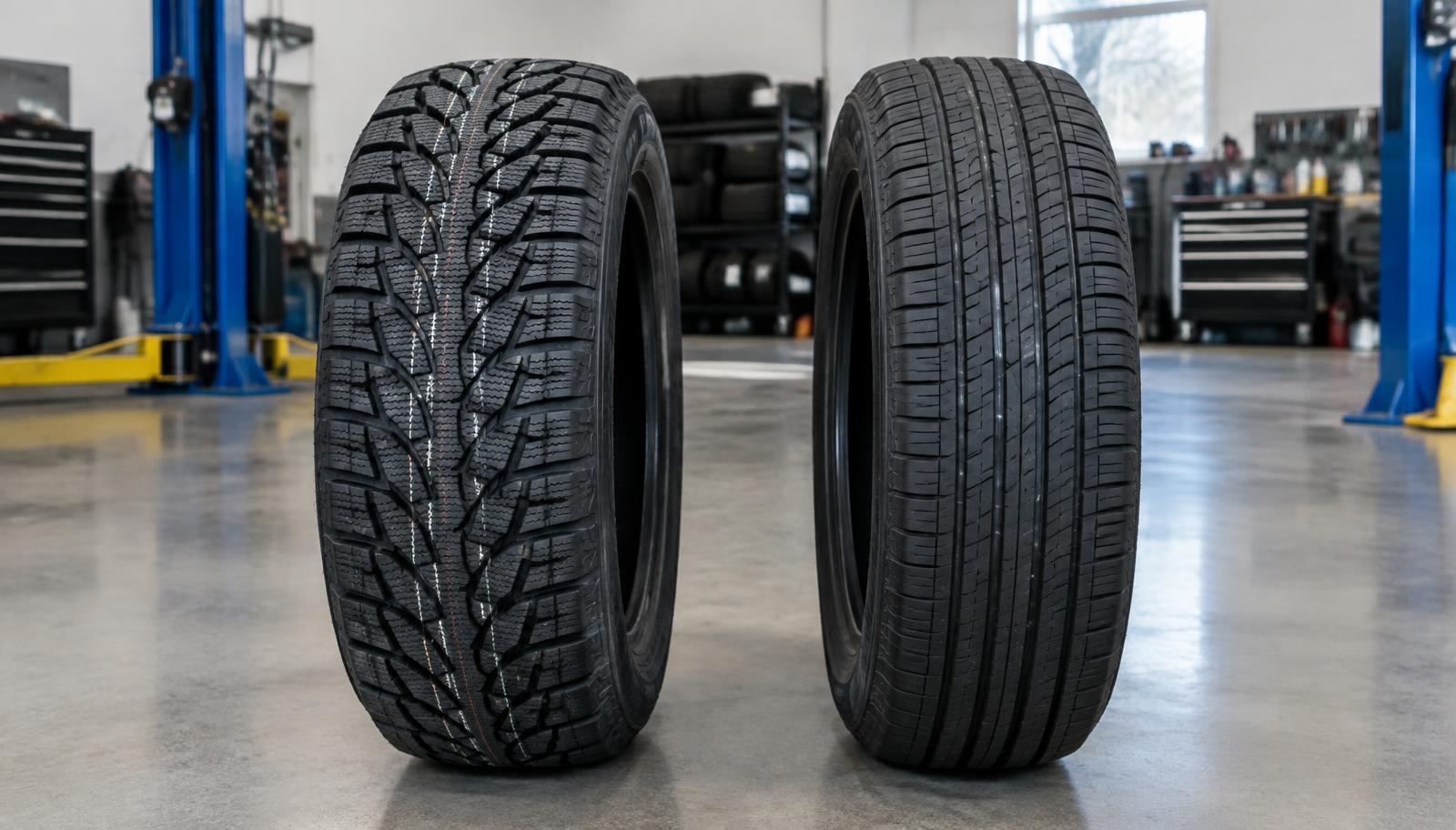
A tire can produce vibration if it develops irregular tread wear, a bulge, internal damage, or an out-of-round condition. Low pressure can change how it rides, too. A balancing procedure cannot repair structural damage. Tire condition should be evaluated before assuming weights are the only solution.
### Bent wheels and impact damage
Potholes, hard curb impacts, and rough road edges can damage a wheel. Even a bend that is difficult to see may affect how smoothly the wheel turns. An inspection can determine whether the wheel is safe and whether replacement is appropriate.
### Worn suspension or steering components
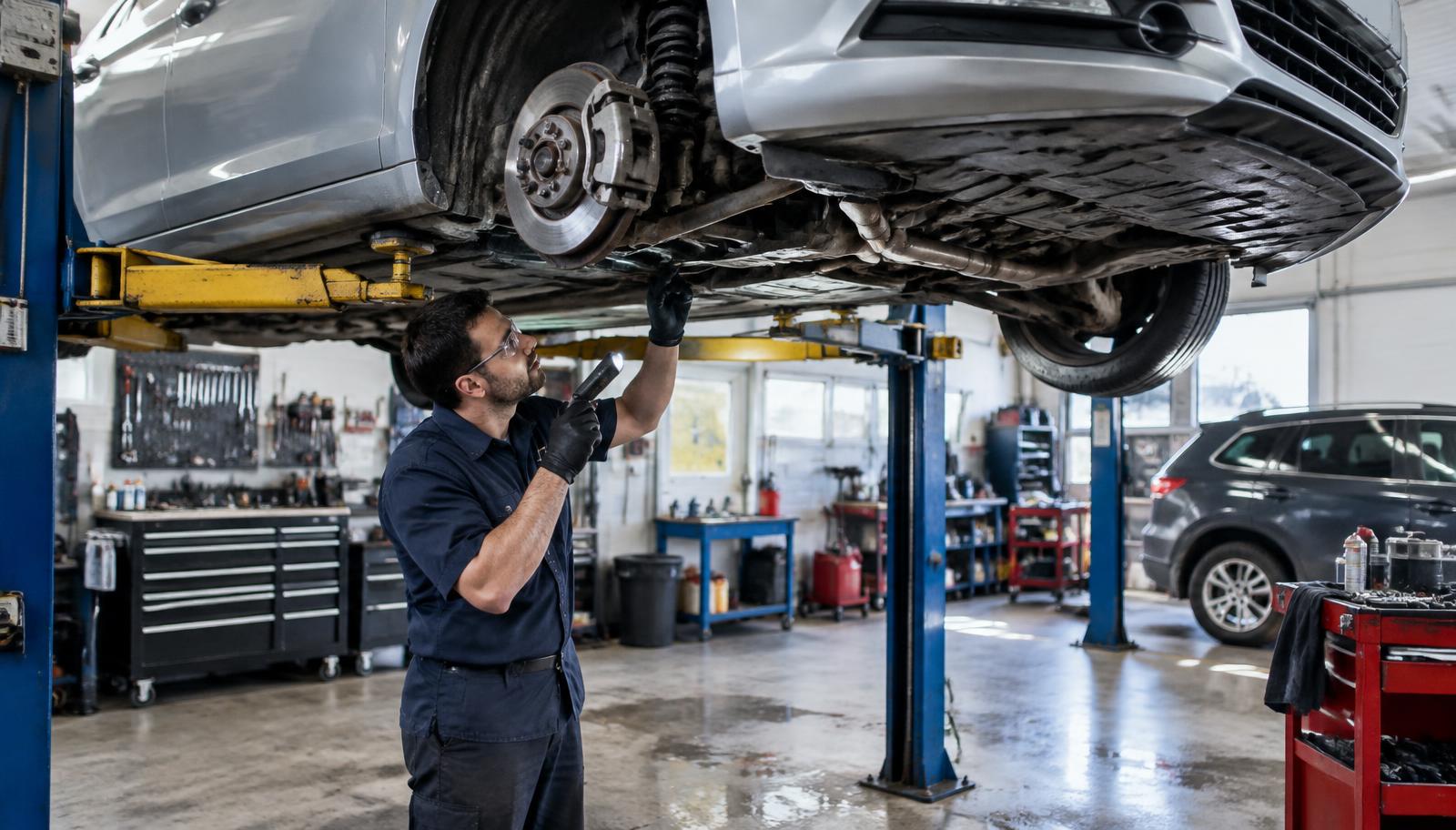
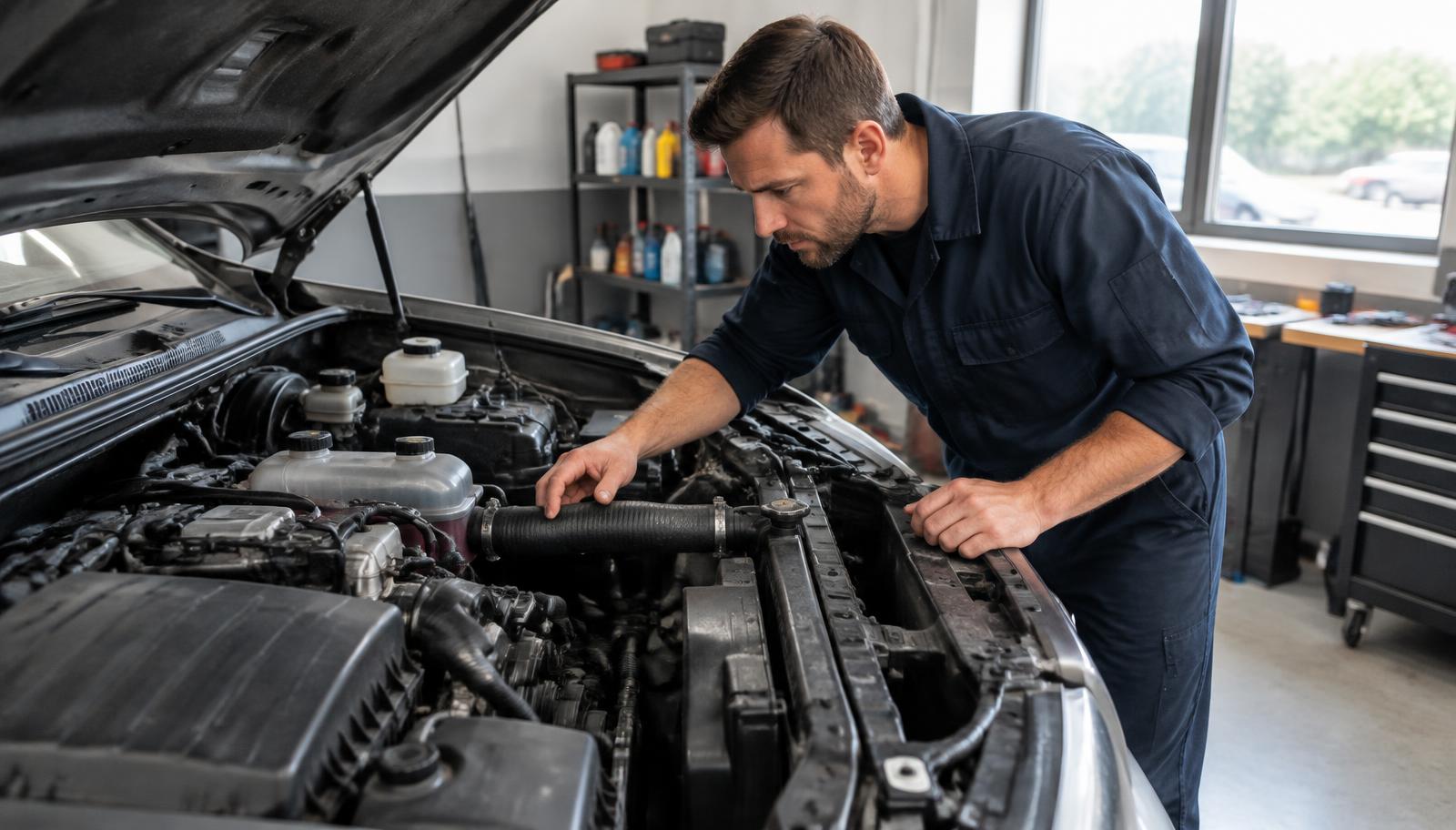
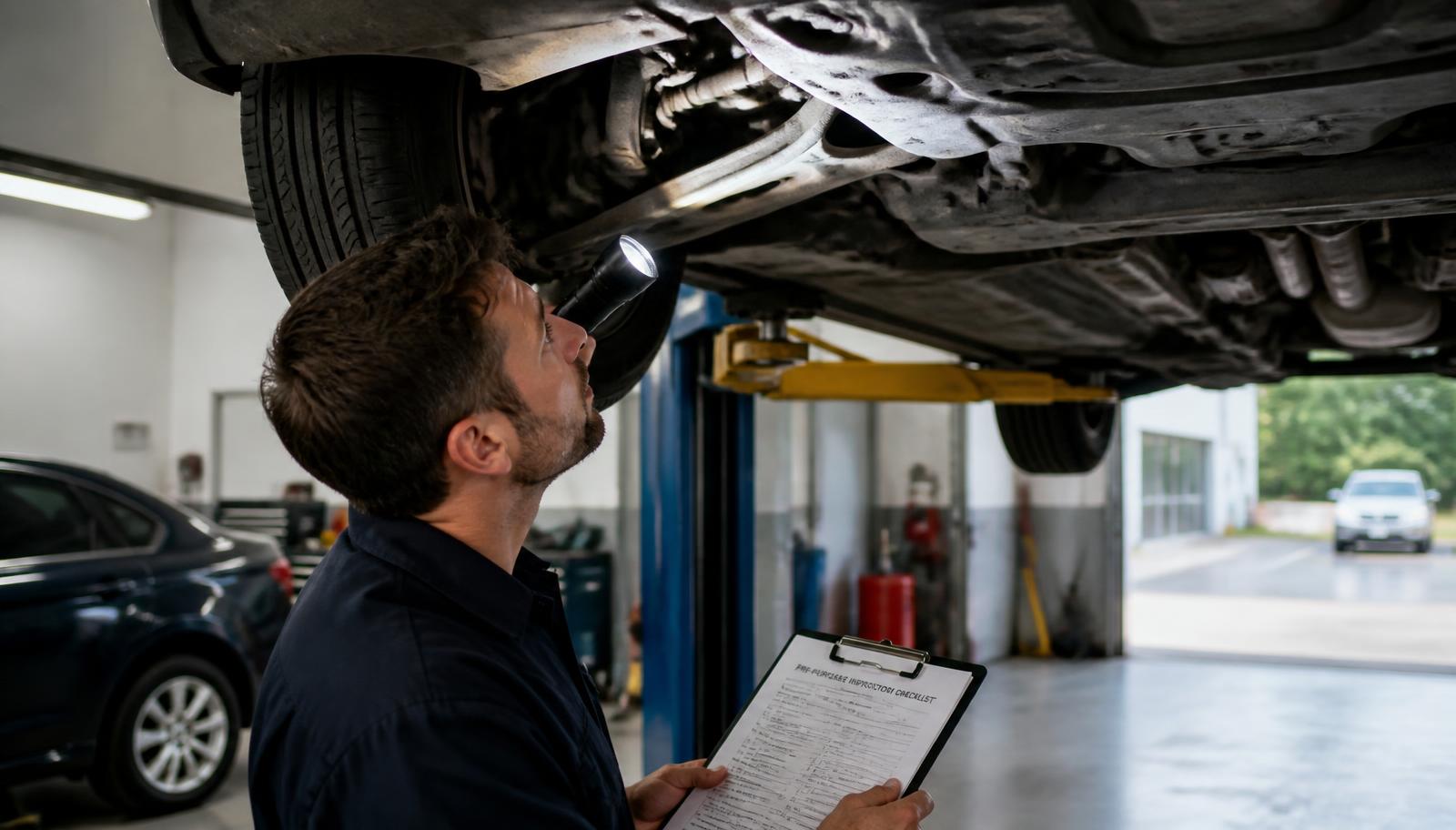
Loose or worn components can change how a vehicle tracks and responds to the road. Depending on the vehicle, a technician may inspect joints, bushings, tie rods, bearings, and other parts. This is particularly important if shaking occurs together with wandering, clunking, or uneven tire wear.
### Driveline or engine-related vibration
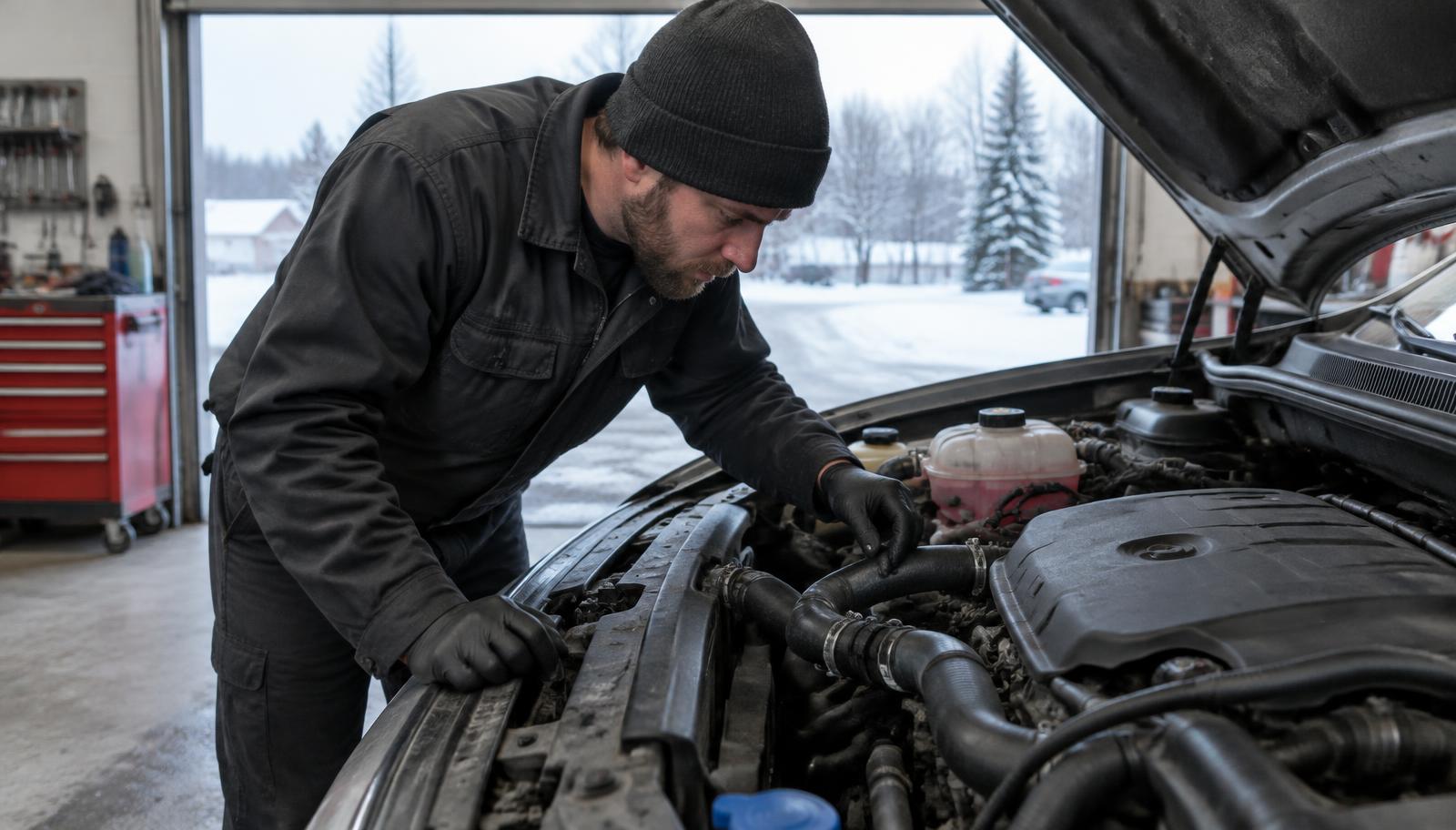
If a shake changes mainly with engine load or acceleration, the cause may not be the tire itself. Engine mounts, axles, driveline components, or engine performance problems are among the possibilities. Diagnosis requires observing the symptom and testing the relevant system.
Is vibration the same thing as a wheel alignment problem?
Not necessarily. Wheel balancing addresses uneven mass in a tire-and-wheel assembly. Wheel alignment concerns the angles at which the wheels are positioned relative to the vehicle. A pull to one side or uneven tire wear can be associated with alignment, but those symptoms may also have other causes.
A vibration that starts at a certain speed is often worth investigating for balance, tire, or wheel condition before assuming alignment is the answer. Sometimes a vehicle needs more than one issue corrected. The right repair starts with evidence, not a guess based on a single symptom.
Why Northern Colorado roads can reveal existing problems
Fort Collins drivers move between city streets, highways, construction areas, and roads with changing surface conditions. A pothole impact may bring attention to a wheel or tire issue, while a long highway drive can make a smaller vibration easier to notice. Neither detail proves a specific component is damaged, but both are useful to tell your technician.
Before a longer trip, check tire pressure when the tires are cold, look for visible damage, and pay attention to any steering or braking changes. The pressure setting to use is on the vehicle's door-jamb label or in its owner's manual, not the maximum pressure molded on the tire sidewall.
At 1UP Complete Auto Care, tire repair and replacement, auto repair, and automotive diagnostics are all part of the published service menu. A technician can help determine whether the issue is tire-related or requires a closer mechanical inspection.
What to expect when you bring in a vibrating car
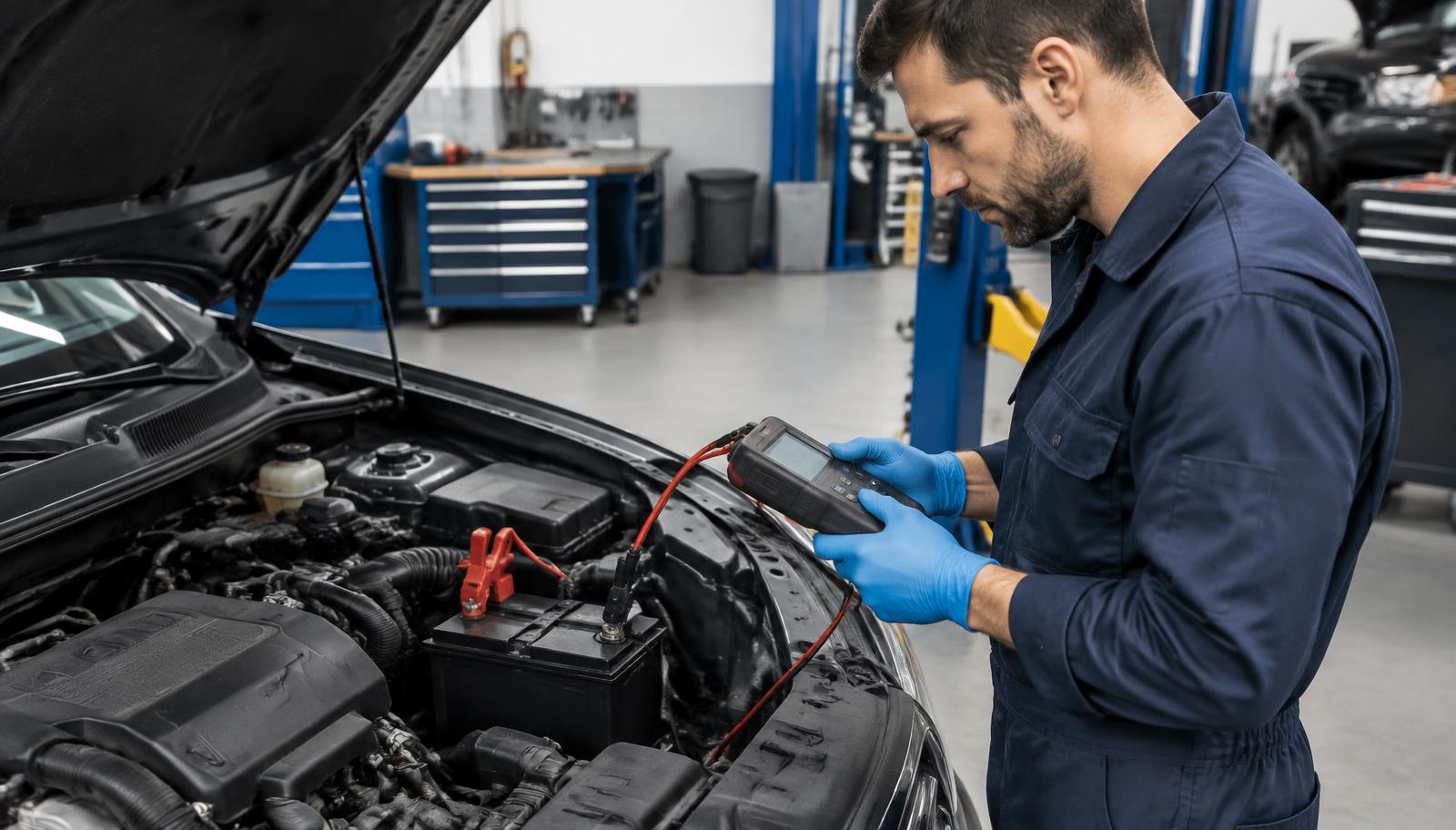
Describe the speed, road conditions, steering feel, and any recent work or impact. The shop may inspect tires and wheels, check pressure and wear, evaluate steering and suspension components, or perform additional testing as indicated. If safe and appropriate, a road test may help reproduce the symptom.
Ask for an explanation of the findings and the repair priority. For example, a damaged tire can be an immediate safety concern, while a minor vibration caused by imbalance may have a different level of urgency. A useful diagnosis tells you not only what needs attention but also why.
Frequently asked questions about vehicle vibration
Can low tire pressure cause a car to shake?
Improper tire pressure can affect ride and handling, but it is not the only cause of vibration. Check pressure when cold and have persistent shaking inspected, especially if there is visible tire damage.
Why does my steering wheel shake only when braking?
That pattern can involve brake components or other front-end issues and should be diagnosed separately from a shake that happens during steady highway driving. If braking feels weak or unpredictable, stop driving and get help.
Can new tires still cause vibration?
Yes. New tires can still require correct balancing, and wheel damage or fitment issues may remain. If the symptom appeared immediately after tire work, tell the shop when it started.
Is it safe to keep driving with a slight vibration?
A slight vibration may have several causes, and its seriousness is not always obvious. Because damaged tires and loose components can present safety risks, schedule an inspection promptly rather than assuming it is harmless.
Schedule a vehicle vibration inspection in Fort Collins
A smooth ride starts with understanding the actual cause. If your car vibrates on the highway, contact 1UP Complete Auto Care in Fort Collins for clear answers about its tire, steering, or mechanical condition. The shop serves drivers from Fort Collins, Timnath, Windsor, Laporte, Wellington, and nearby Northern Colorado communities. Request an appointment or call (970) 825-5140.
Talk to 1UP Complete Auto Care in Fort Collins
Visit our shop at 1305 Duff Dr Unit 4 in Fort Collins or call (970) 825-5140 to schedule service.
Get a Free Quote